

Caterpillars:
Cutworms, Hornworms, Pinworm, Budworms, Bollworms, Webworms and tent caterpillars.
These are common names for any of several species of the larval stage of mainly moths and some butterflies, that attack the leaves and fruits of crops.
low populations can cause a lot of damage, rapidly.
Adult moths emerge in the spring to mate and lay eggs.
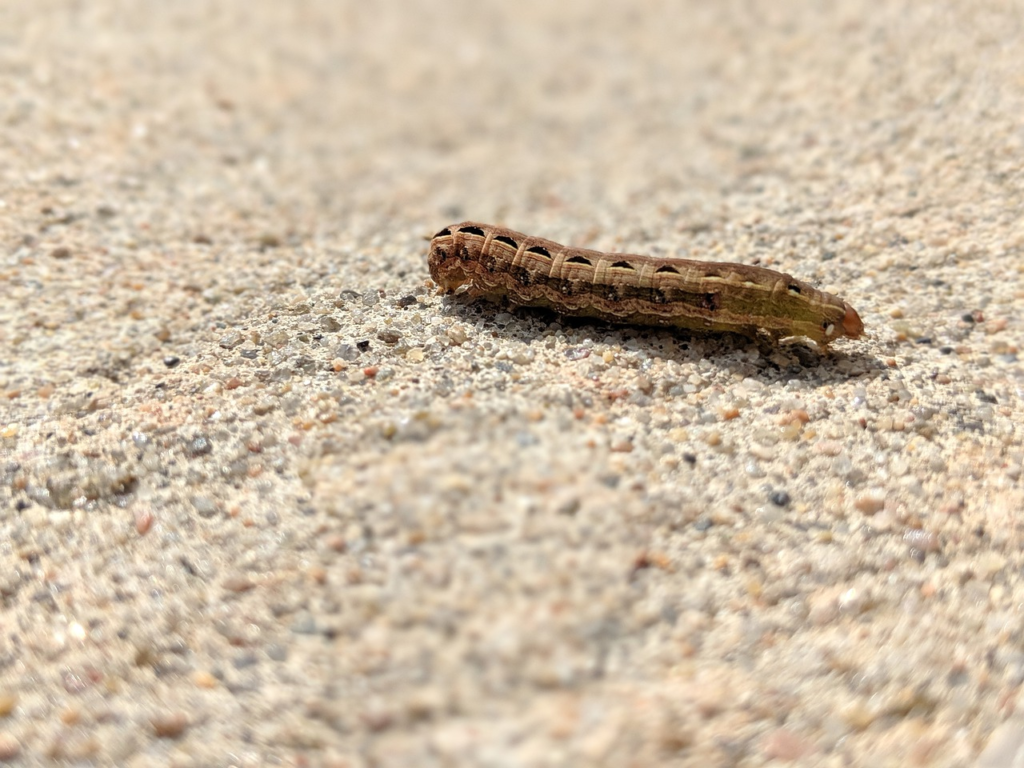
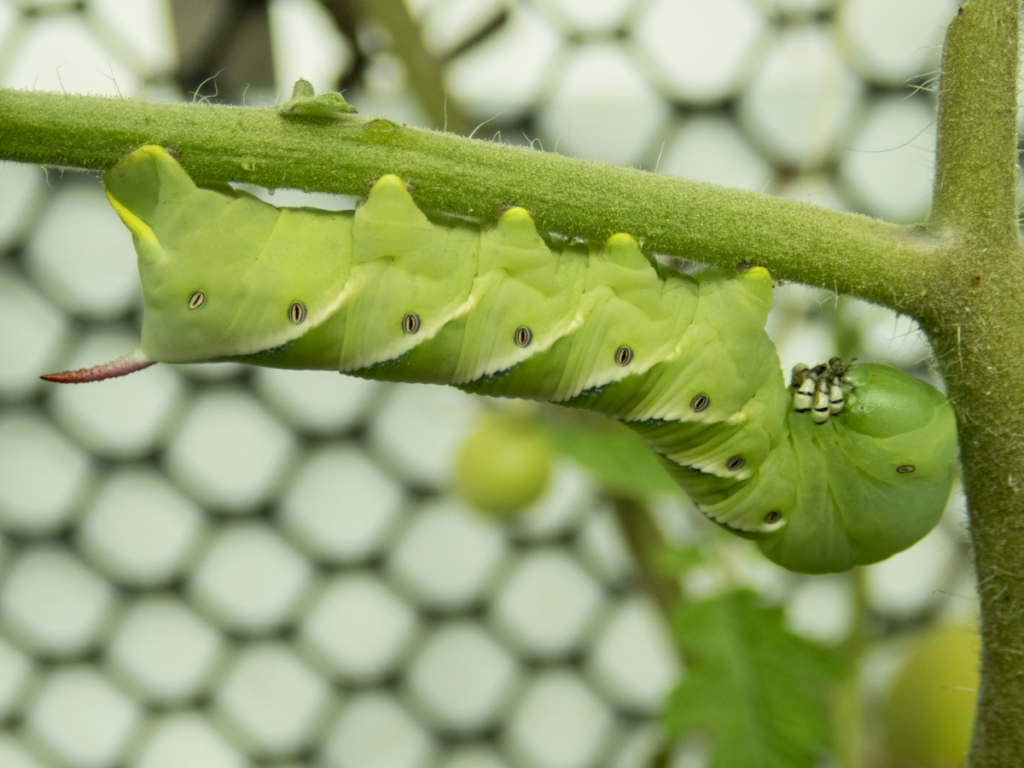

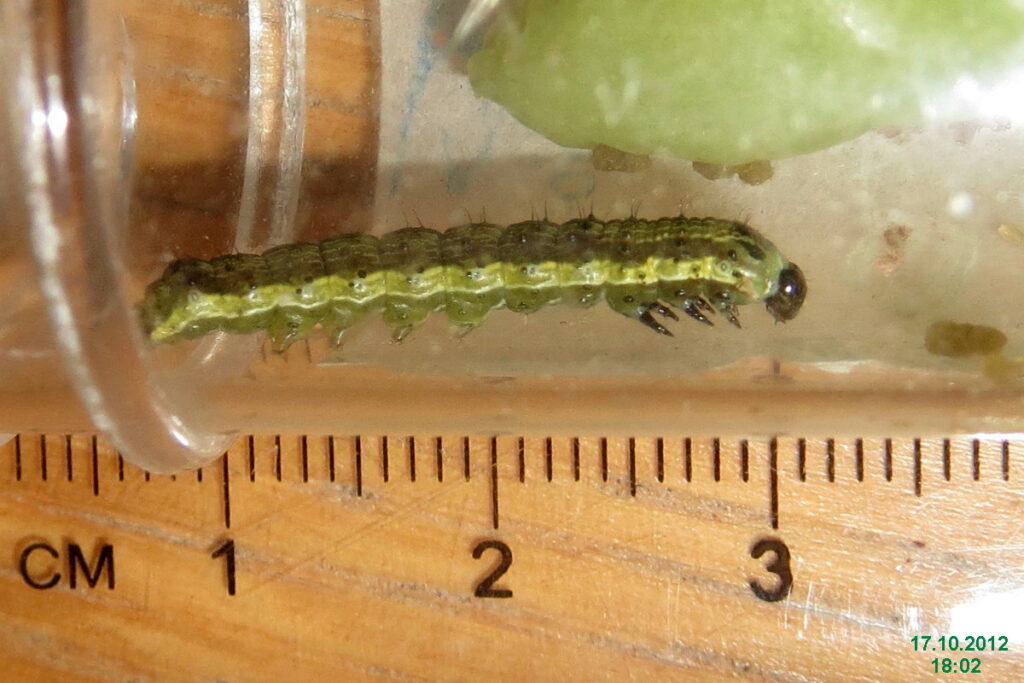

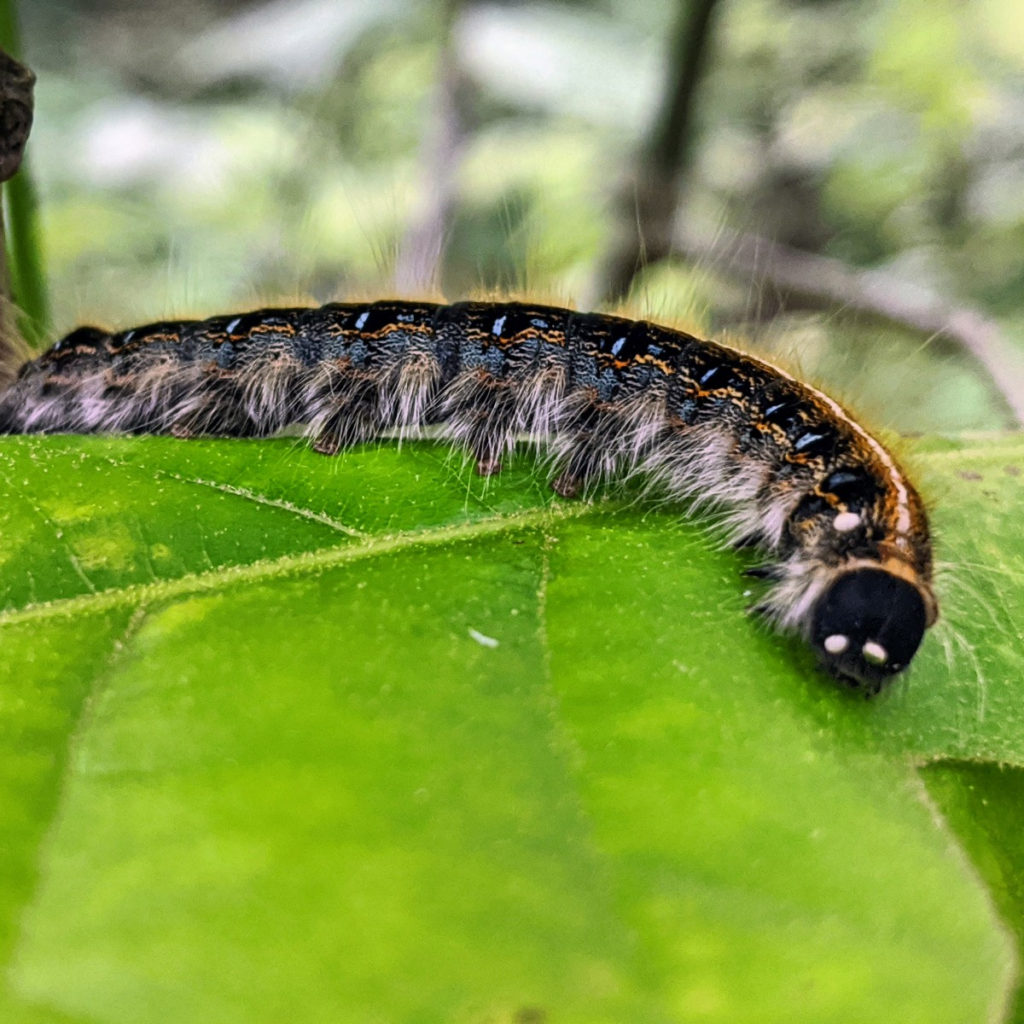


The caterpillars are eating the leaves.
The ones that are in favor of fruits, damaging them.
They can be traced early by the small black grains they leave behind, which is their poop.


For further information about this, read this post, and this post also.
There are 3 ways to eliminate Caterpillars: chemical, organic and biological.
Chemical:
Best pesticides for caterpillars,
Active ingredients:
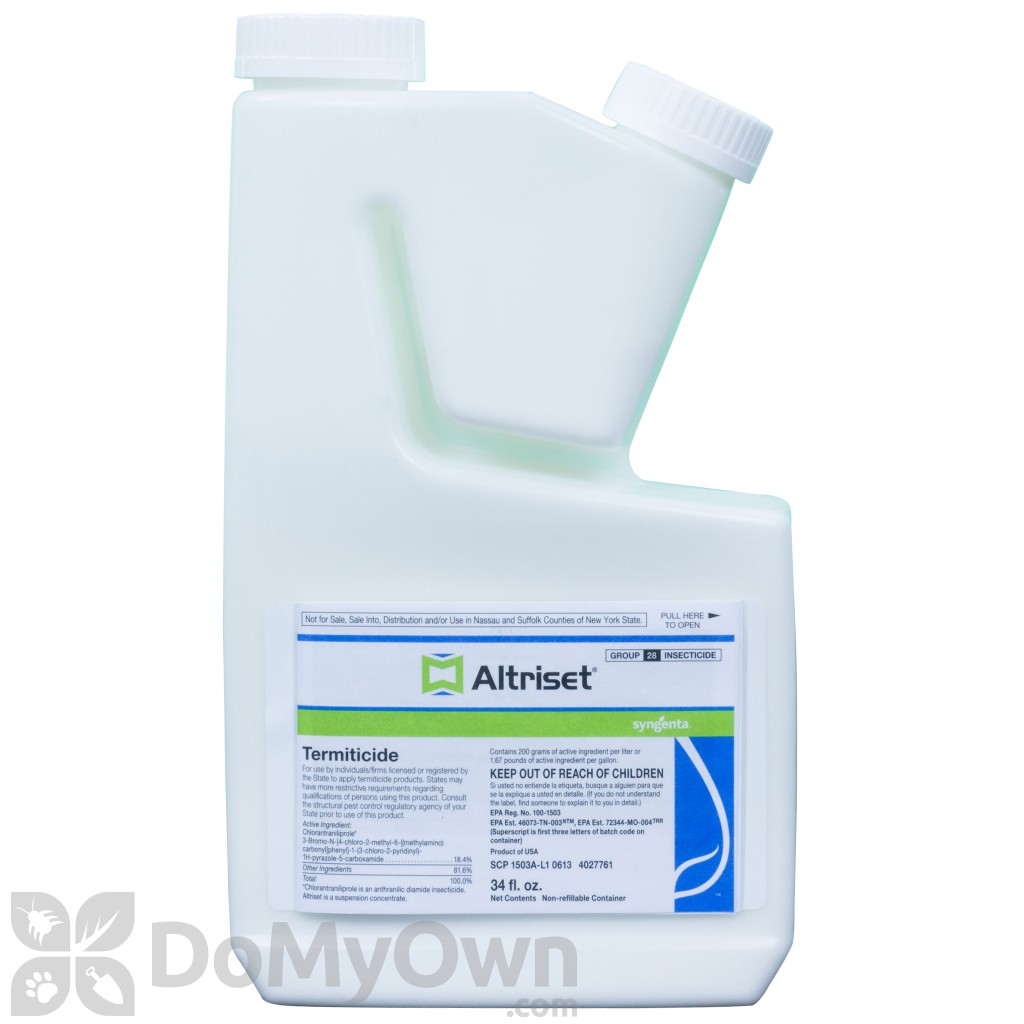
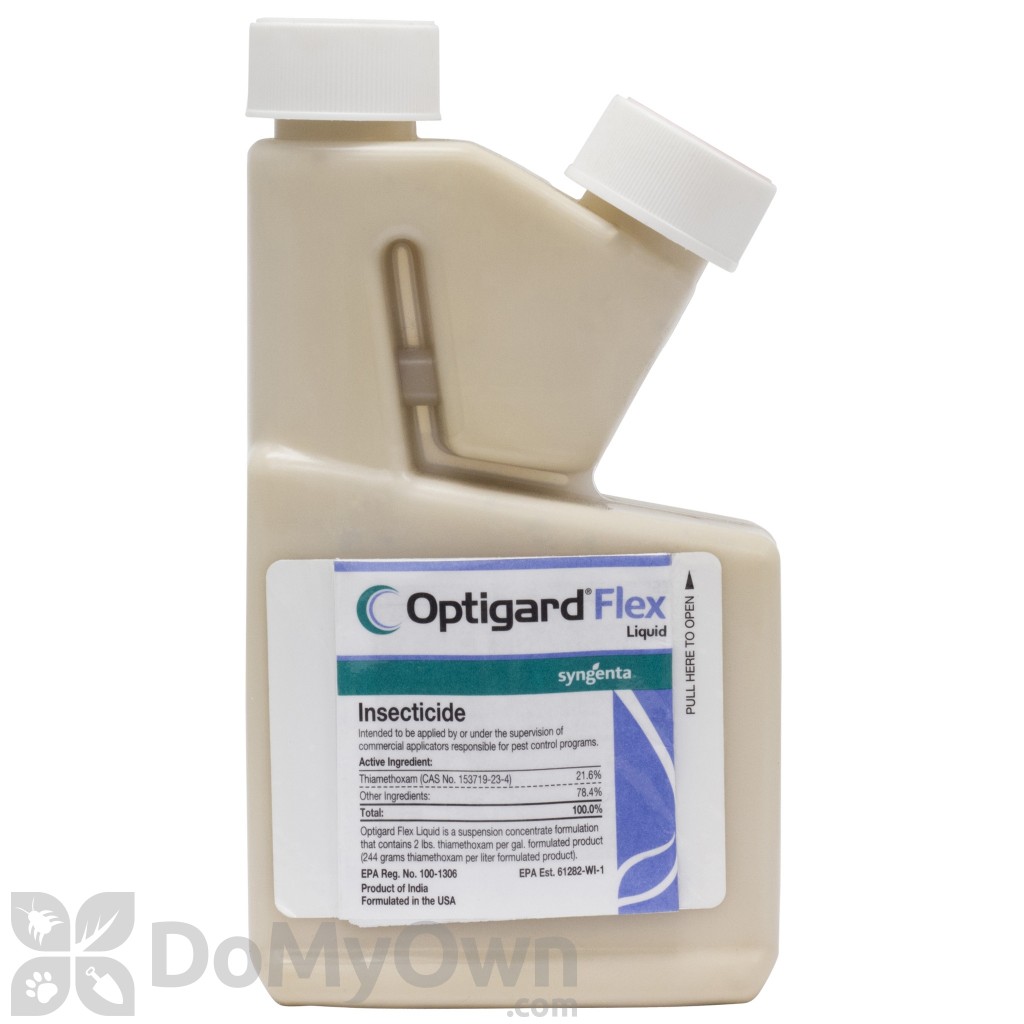
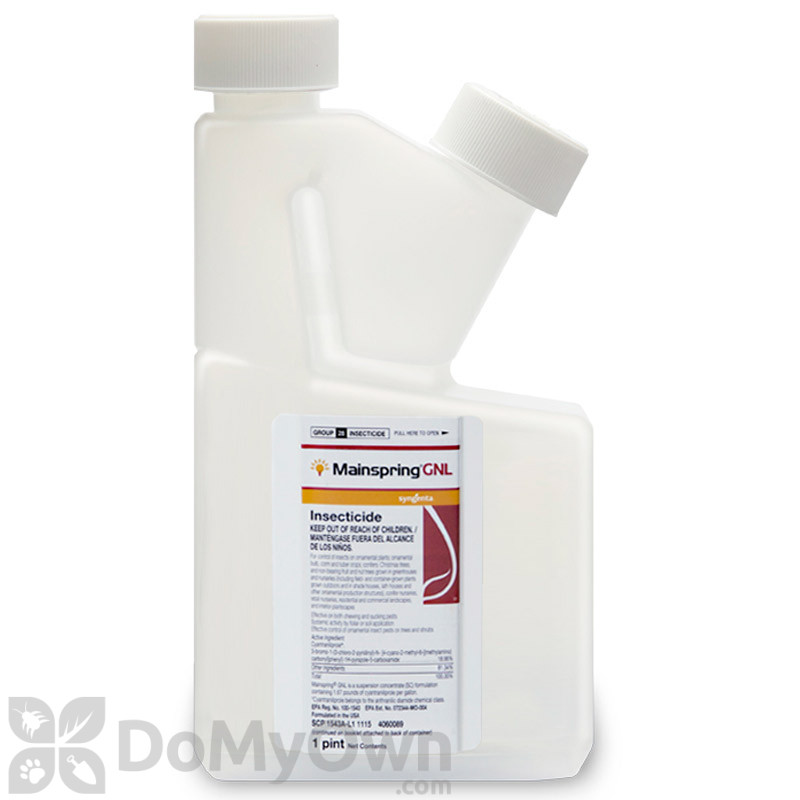
Organic:
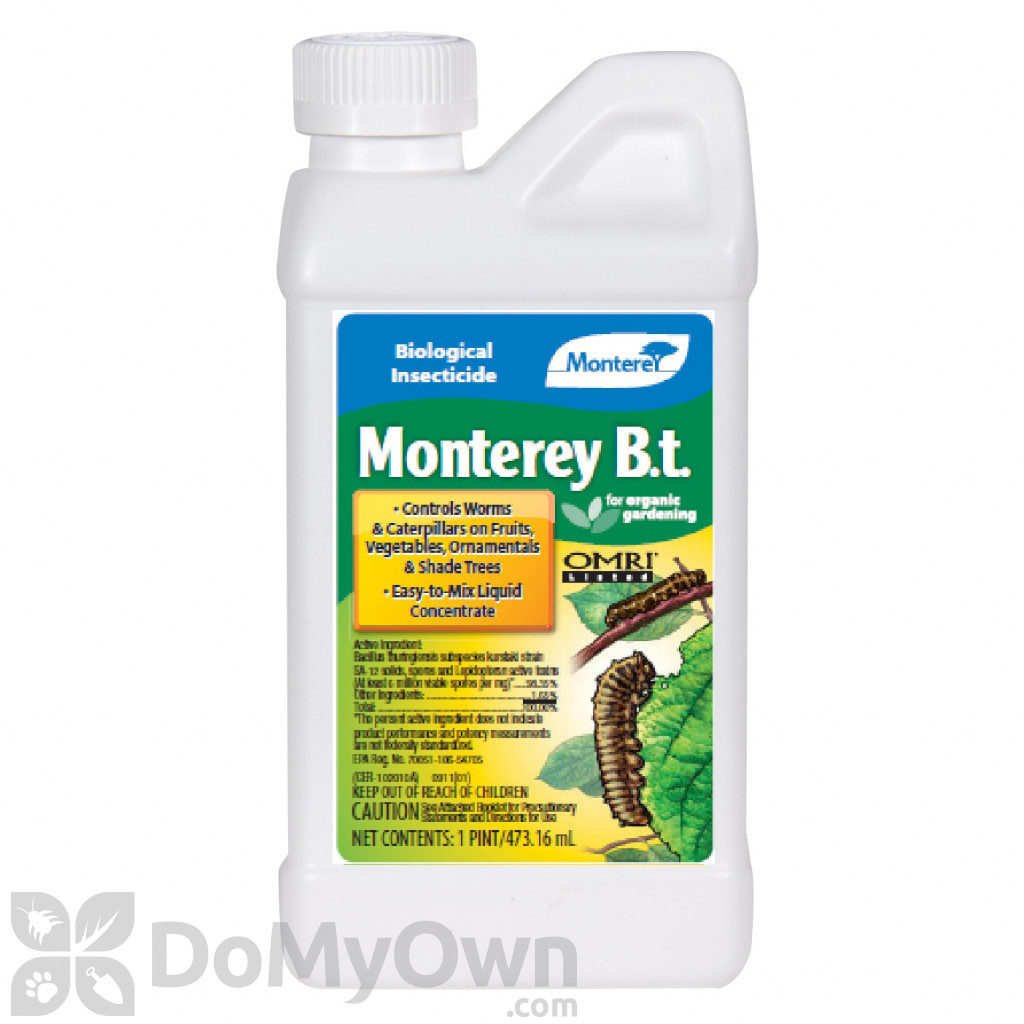
Bacillus thuringiensis –
These are the spores of bacteria that live in the soil.
It makes proteins that are toxic to some insects when eaten.
Infected caterpillars move slowly, change color and shrivel.
After ingesting a lethal dose, the larvae stop feeding within an hour.
They die 2 to 5 days after the intake of the bacteria.
Treat when small, newly hatched larvae are present, and first feeding damage is observed.
Since product must be ingested to obtain control, treat when larvae are actively feeding, and before extensive damage occurs.
Repeat applications may be necessary at 3- 7 days intervals.
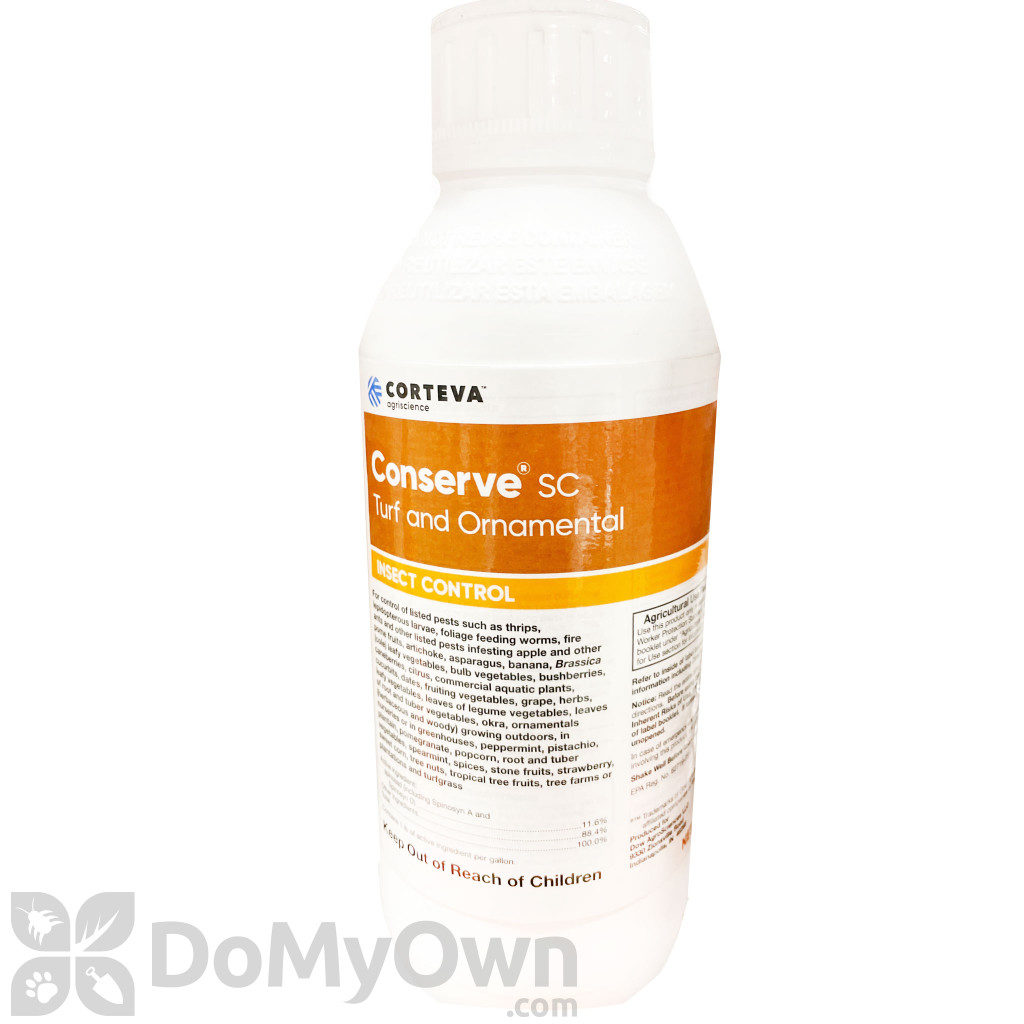
Spinosad:
It’s a natural substance made by a soil bacterium, that can be toxic to insects.
It affects the nervous system of insects, that eat or touch it.
It causes their muscles to flex uncontrollably.
This leads to paralysis and ultimately their death, typically within 1-2 days.
Spraying Spinosad, mixed with neem oil, paraffinic oil, or mineral oil will increase lethality.
Some products are more expensive than others, due to a higher percentage of Spinosad inside, which is certainly better.
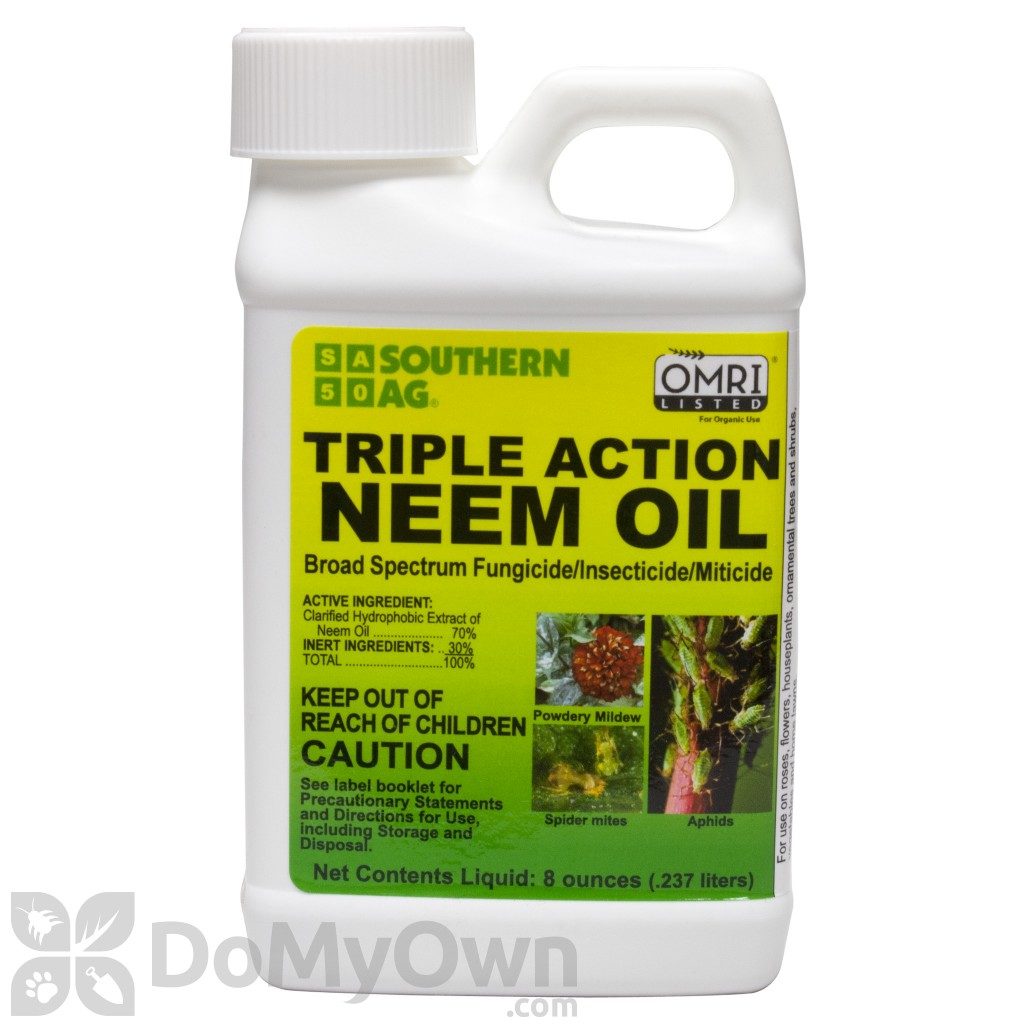
Neem oil:
A naturally occurring pesticide, found in seeds from the neem tree.
Azadirachtin is the most active component here.
It reduces insect feeding and acts as a repellent.
It also interferes with insect hormone systems, making it harder for insects to grow and lay eggs.
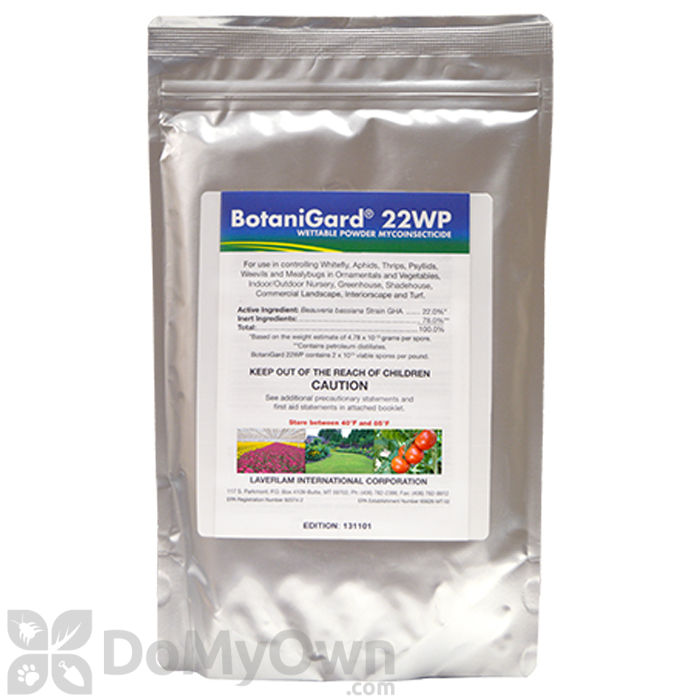
Beauveria bassiana
Live fungal spores for the control of soft-bodied insects in organic production.
Its spores adhere to the target insect’s outer shell, and begin the infection process.
At this point, you may notice insects with a whitish appearance.
Once the spores have breached the protective barrier of the outer shell, they continue to multiply until they reach the insect’s blood, which they begin feeding on.
Death occurs 7 to 14 days after infection.
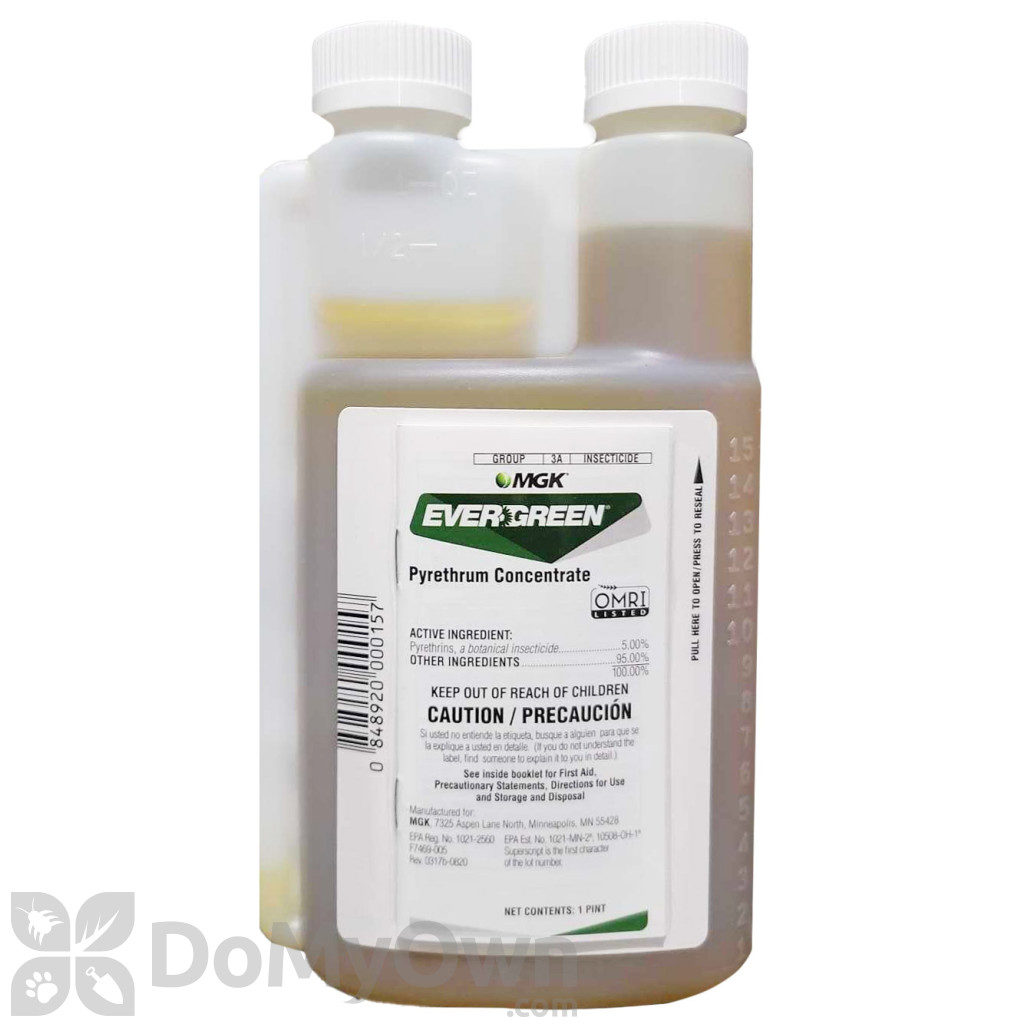
Pyrethrin:
A collection of six esters, which are found in high concentrations within the achenes of the flower.
It targets insects’ nervous systems.
Pyrethrin induce excited behavior in the insect, which results in increased insect exposure to the pyrethrin and eventual death.
Biological:
Trichogramma brassicae –
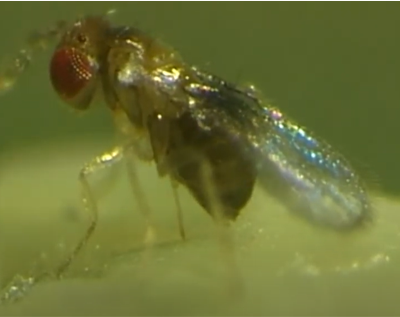
Tiny parasitic wasp, that have a wingspan of 1/50th of an inch.
They attack and destroy the eggs of over 150 species of moths, and butterflies, which are leaf eaters in their caterpillar stage.
The adult wasps can lay up to 300 eggs each, parasitizing an equivalent number of soon caterpillars’ eggs.
The wasps’ larvae hatch from the eggs, and attack the moths’ eggs embryos from within.
Instead of pests hatching out, more mini-wasps emerge instead.
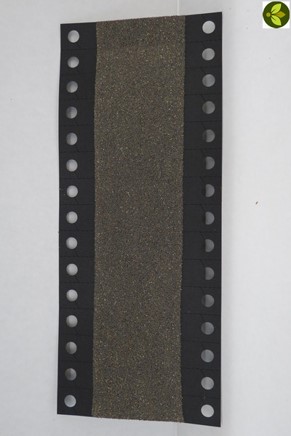
Shipped as pupae in host eggs, glued to one inch by one inch paper squares.
Carefully tear the sheets along the perforations, and either distribute them immediately throughout the crop, or hold them in containers with food, until the adults begin to emerge.
Release when moths are first present and periodically thereafter.
These wasps are cheap, easy, and effective at controlling both caterpillars and moths.

Green Lacewing Eggs/larvae/adults –

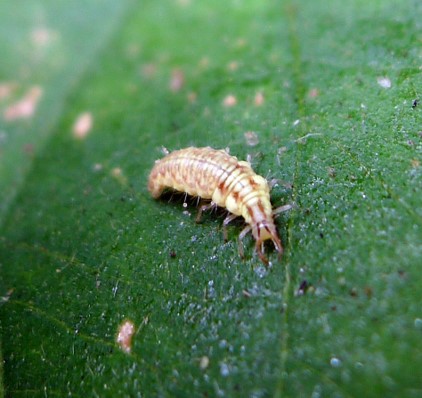
Once hatched, the larvae are voracious predators used to control a wide range of soft-bodied pest insects.
The larvae paralyze their prey with venom and feed on the body fluids of the pest.
Each lacewing larva will devour 200 or more pests or pest eggs per week during their two-to-three-week developmental period.
Green lacewing is ideal for building a sustainable population within your growing area for continued control.
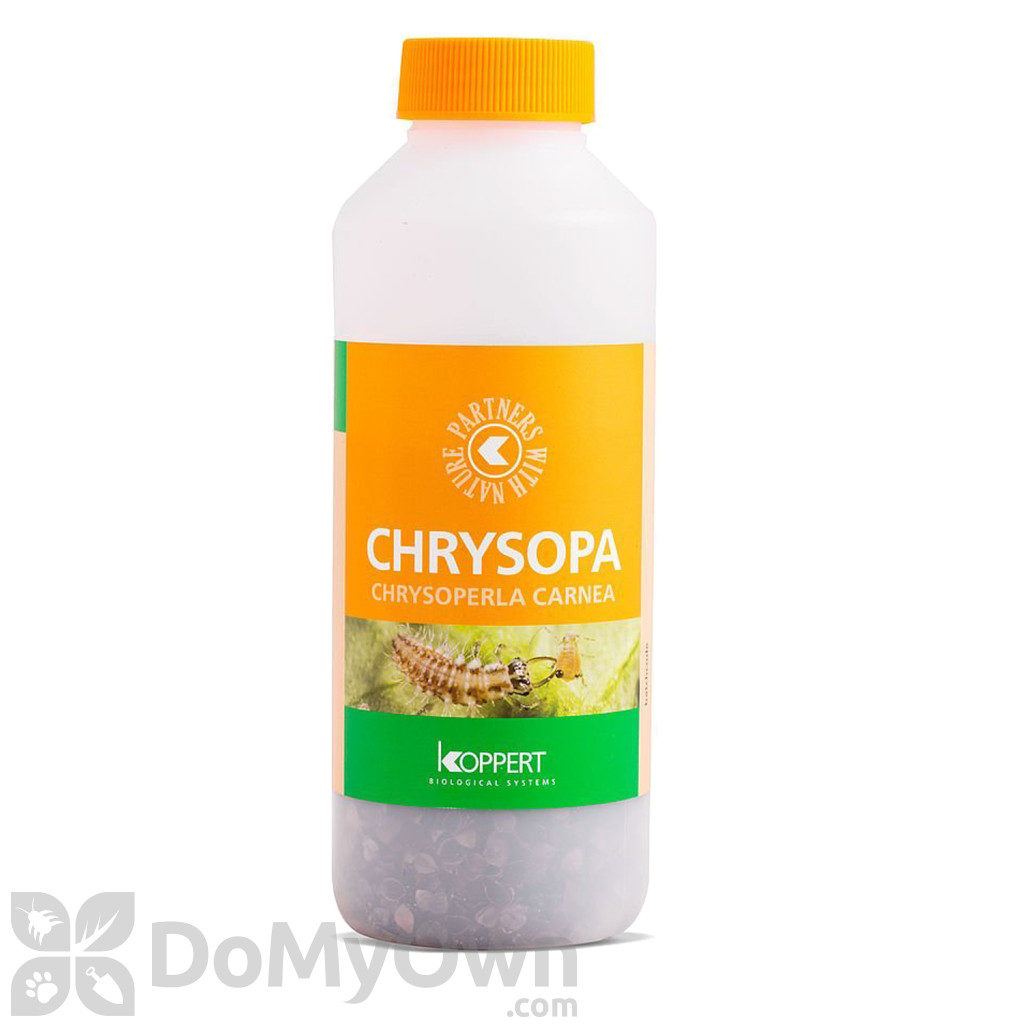
Shake the bottle gently before use.
Apply on infested leaves.
For curative treatments, apply directly in the heavily affected areas.
You might also like these articles:
- Whiteflies on Tomatoes & Cucumbers Transmitting Virus? How to Control Them with Insecticidal Soap & Yellow Sticky Traps – Organic Treatment

- Vegetables’ Physiological Problems? Sunscald, Cracking, Blossom End Rot? Best Calcium Spray & Prevention Kit
- Tomato Plant Diseases? Identify with Pictures – Best Fungicide, Treatment & Disease Prevention Kit
- Tomato Pith Necrosis (Pseudomonas) on Tomatoes? How to Control It with Copper Fungicide – Organic Treatment
- Tomato Leafminer (Tuta absoluta) on Tomatoes? How to Control It with Spinosad & BT – Organic Treatment
- Thrips on Tomatoes & Onions? How to Control Them with Spinosad & Insecticidal Soap – Organic Treatment
- Systemic Pesticides for Tomatoes & Vegetables? Best Systemic Insecticide for Aphids, Whiteflies, Mealybugs – Long Lasting
- Sweet Success: A Guide to Growing Juicy Strawberries in Your Garden
- Spraying Safety Essentials? Best PPE Kit for Pesticide & Herbicide Spraying – Mask, Goggles, Gloves & Suit
- Spider Mites on Tomatoes & Houseplants? How to Control Them with Insecticidal Soap & Neem Oil – Organic Treatment
- Slugs & Snails Eating Your Plants? Best Slug and Snail Bait with Iron Phosphate – Organic Control (OMRI Listed)
- Rats in the House? How to Get Rid of Rats Fast – Best Rat Trap, Repellent & Killer for Home


