

Also called botrytis, it’s a gray colored fungus which attacks many crops.
It is characterized by a gray or brownish fuzz that appears on infected plant parts.


It can infect fruits, leaves and stems.
It Most often damages injured tissues of plants and creates a gray and velvety layer of spore tissue on the parts of the plant.
Infected fruits turn gray and the fruit softens and rots.
Fruits may develop spots in the form of bright white halos caused by airborne spores.
If the infestation is in its early stage, and you can do it,
It will help a lot if you prune the infested leaves.
In this way you can pause or delay the spread of the fungus.


Gray mold thrives in cool and humid conditions, and it can rapidly spread in high-density planting environments.
It can cause significant damage to crops by softening and rotting the affected tissues.
It mainly appears around 18 to 23 degrees Celsius, that’s 65-75 Fahrenheit.
If you are using overhead irrigation system with sprinklers,
you are increasing the chance of the appearance and spreading out of this fungus.
If you can, it is better to use drip irrigation.


For further information about this, read this post, and this post also.
There are 2 ways to eliminate gray mold: Chemical, and organic.
Best pesticides for gray mold,
Chemical:
Active ingredients:
| Fenhexamid |  |
| Pyrimethanil | |
| Cyprodinil |  |
| Pyraclostrobin |  |
| Iprodione |  |
| Mepanipyrim |
Organic:
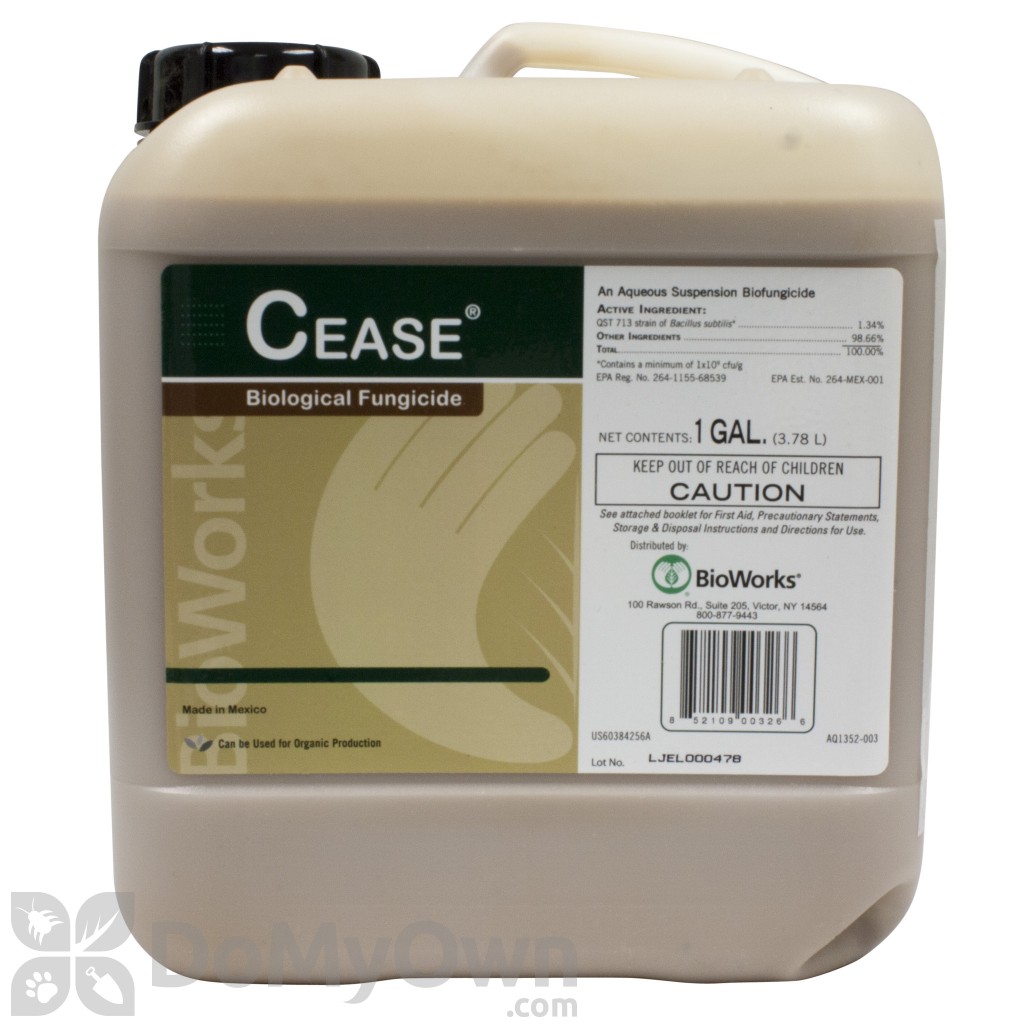
Bacillus subtilis –
A biological fungicide containing a strain of the bacterium Bacillus subtilis.
The bacterial spores occupy space on the plant surface, and compete with the pathogens.
Then active compounds called lipopeptides, produced by the bacterium, disrupt the germination, and growth of invading pathogens.
Due to this action, resistance is not likely to develop.
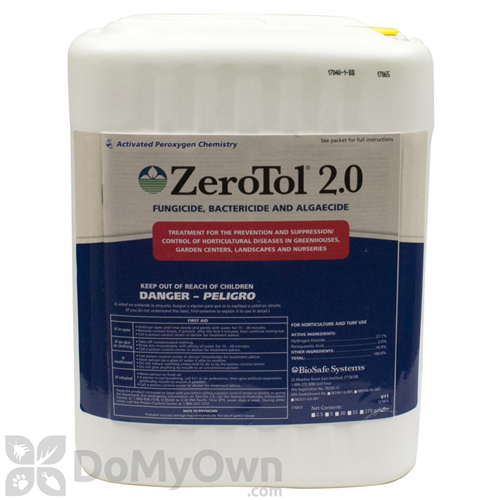
Hydrogen Peroxide/ Dioxide-
Well known as an ingredient in disinfectant products, it’s now also approved for controlling microbial pests, on crops growing indoors and outdoors, and on certain crops after harvest.
This active ingredient prevents, and controls bacteria, and fungi by destroying essential components of the cells.
You might also like these articles:
- Maximizing Efficiency: How to Combine Pesticides to Control Multiple Crop Pests with One Spray

- Vegetable garden sprayer
- Pre spraying stages
- Safety in spraying
- Natural pesticides for plants
- Vegetables’ physiological problems
- Growing vegetables in greenhouse for beginners
- How to get rid of rats in the house fast
- Tomato plant diseases pictures
- How Mycorrhizae Can Help Your Plants Thrive
- How can I control pests and diseases in my garden?
- Growing Corn: Tips for Choosing the Right Variety and Achieving Healthy Growth


