

Adventitious roots are plant roots that form from any nonrooted tissue and are produced both during normal development, and in response to stress conditions, such as flooding, nutrient deprivation, and wounding.
Another characteristic of the disease is adventitious roots, that come out of the clogged main stem and indicate that the plant is suffering and trying to get water from another source.
Isolation of contaminated plants is required.
The bacteria are progressing between plants especially via pruning scissors.


Organic:
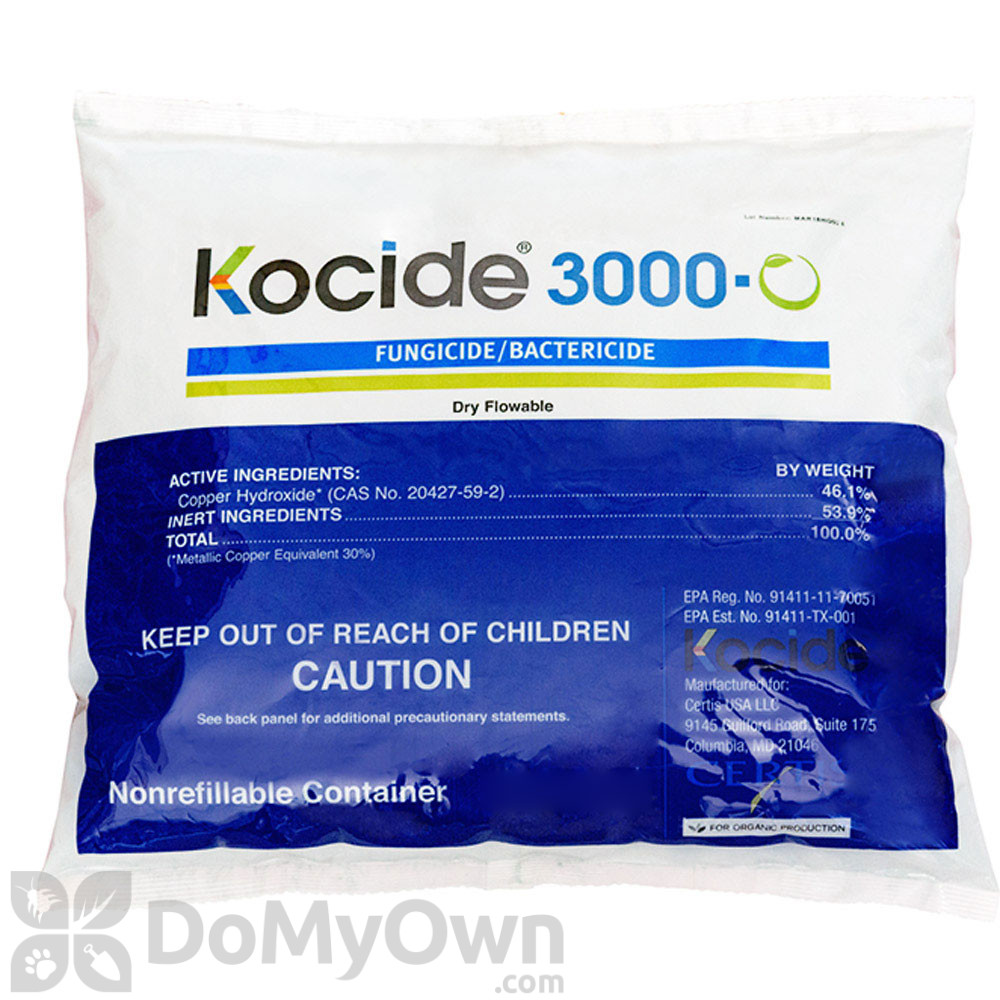
Copper hydroxide
It is maybe the only agent (chemical and organic) that is approved for killing bacteria on plants.
It also helps prevent the germination of fungal spores.
It will try to prevent the bacteria’s from spreading to neighboring leaves and fruits.
It is proven and reliable to be powerful while ensuring plants’ safety.
This OMRI-listed product comes in a dry powder formula that is easy and convenient to apply.
Features excellent plant tenacity and delivers maximum bioavailability.
You might also like to read these articles:
- Late Blight on Tomatoes: How to Identify, Treat & Stop It Fast in Your Home Garden

- Japanese Beetles Eating Leaves? How to Get Rid of Beetles and Grubs Fast
- Fusarium Wilt on Tomatoes: Signs, Prevention & Best Treatment Guide
- Mealybugs on Tomatoes & Houseplants? How to Get Rid of Them Fast
- Septoria Leaf Spot on Tomatoes: How to Identify & Treat Brown Spots Fast
- Best Pesticides for Vegetable Plants: Compare Products by Pest & Disease
- Beneficial Insects for Vegetable Garden: Best Bugs for Natural Pest Control
- Organic Pesticides for Vegetable Gardens: What Each One Controls
- Pesticide Safety Gear: What to Wear When Spraying (Suit, Respirator, Gloves and Goggles)
- Pre spraying stages
- Blower Sprayers for Garden Pest Control: Better Coverage Than Backpack Sprayers
- Maximizing Efficiency: How to Combine Pesticides to Control Multiple Crop Pests with One Spray


