
Short answer: The best lawn fertilizer for most lawns is a slow-release fertilizer with high nitrogen. If you want fast green-up, use a water-soluble fertilizer. If you have pets or kids, use an organic fertilizer.
I only list fertilizers you can actually buy right now. No dead links, no out-of-stock products.
Top 3 Picks – Quick Table
| Pick | Best For | Type |
|---|---|---|
| Milorganite Fertilizer 6-4-0 | Best Overall – Organic, Safe for Pets & Kids | Organic, Slow-Release |
| Espoma Lawn Food 15-0-5 | Best for All Grass Types | Slow-Release Granular |
| Southern Ag 20-20-20 Powerpak | Fastest Green-Up – In 3-5 Days | Water-Soluble, Fast-Release |
If you only want one fertilizer and you don’t want to think too much – get Milorganite. It won’t burn your lawn, it’s safe for pets, and it improves your soil.
If your lawn is yellow and you have guests coming this weekend – get Southern Ag 20-20-20. It greens up in days, but you will need to apply it again in 2-3 weeks.
How to Choose – 3 Questions
1. What grass do you have?
- Cool-season (Fescue, Bluegrass, Ryegrass) – Fertilize in spring and fall
- Warm-season (Bermuda, Zoysia, St. Augustine, Centipede) – Fertilize in late spring and summer
2. Do you want fast or slow?
- Slow-release = Apply 2-3 times a year, lasts 2 months, won’t burn grass. Best for most people.
- Fast-release / Water-soluble = Greens up in days, but you need to apply every 2-3 weeks, and it can burn grass if you use too much.
3. Organic or synthetic?
- Organic = Safer for pets, kids, and soil. Slower, but improves soil over time.
- Synthetic = Faster, cheaper, stronger green-up. But can burn grass if you over-apply.
The 5 Best Lawn Fertilizers – Full List
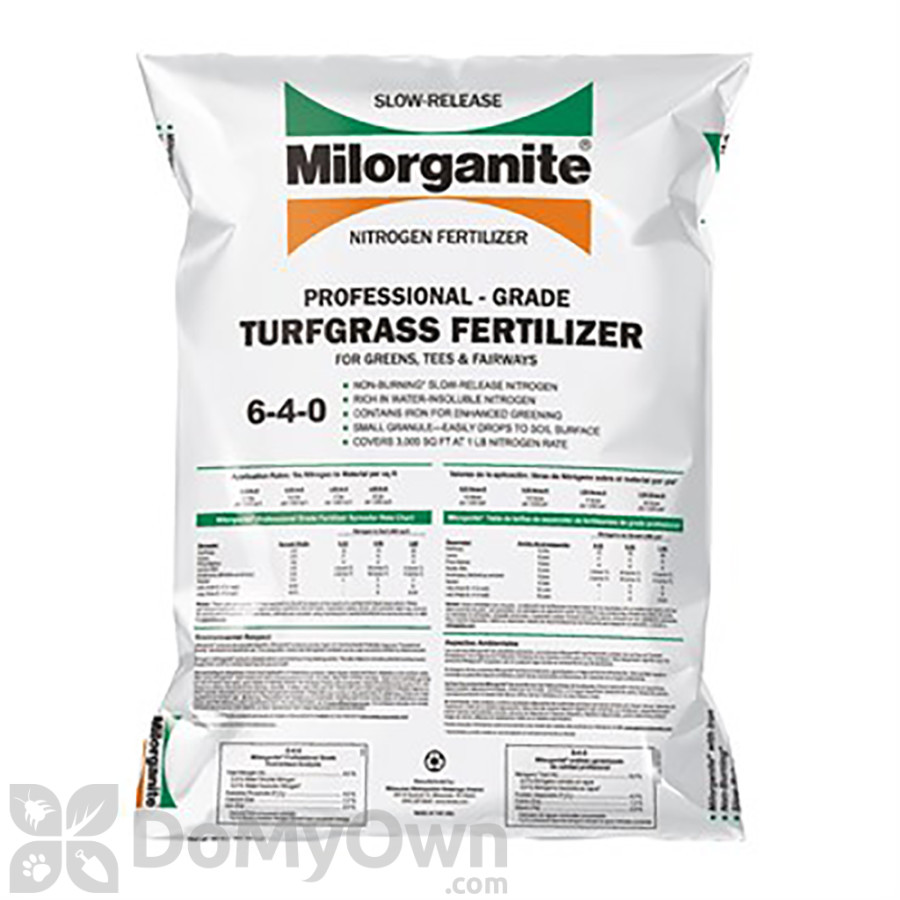
1. Milorganite Fertilizer 6-4-0
Best Overall – Organic
6% nitrogen, 4% phosphorus, 4% iron. Slow-release, won’t burn grass. Improves soil over time. Safe for pets and kids. Smells a bit for 1-2 days after applying, then goes away.
Apply once a month during growing season. One 32 lb bag covers 2,500 sq ft.
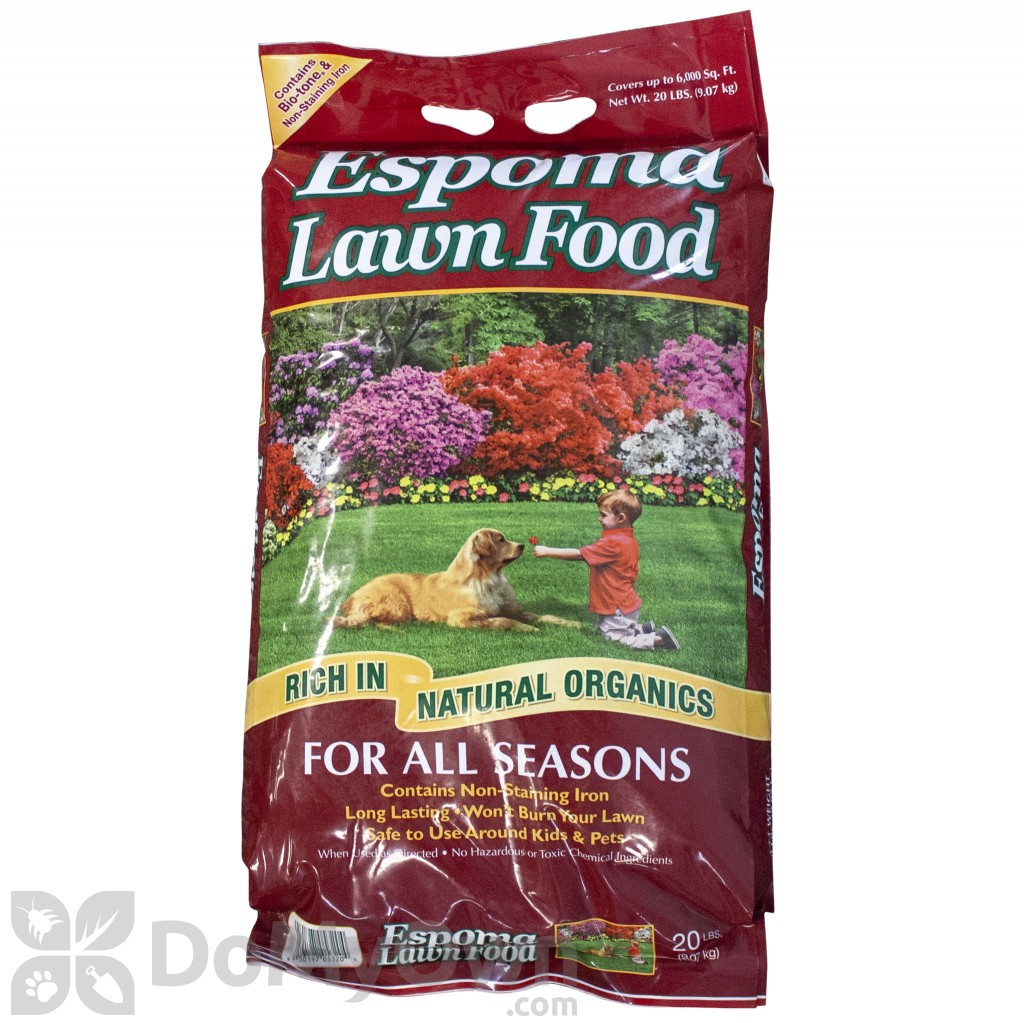
2. Espoma Lawn Food 15-0-5
Best for All Grass Types
15% nitrogen, 5% potash, with non-staining iron and Bio-tone microbes. Works on cool-season and warm-season grass – Fescue, Bluegrass, Bermuda, St. Augustine, Zoysia, Centipede.
Slow-release, safe and easy to use. 40 lb bag covers 5,000 sq ft.
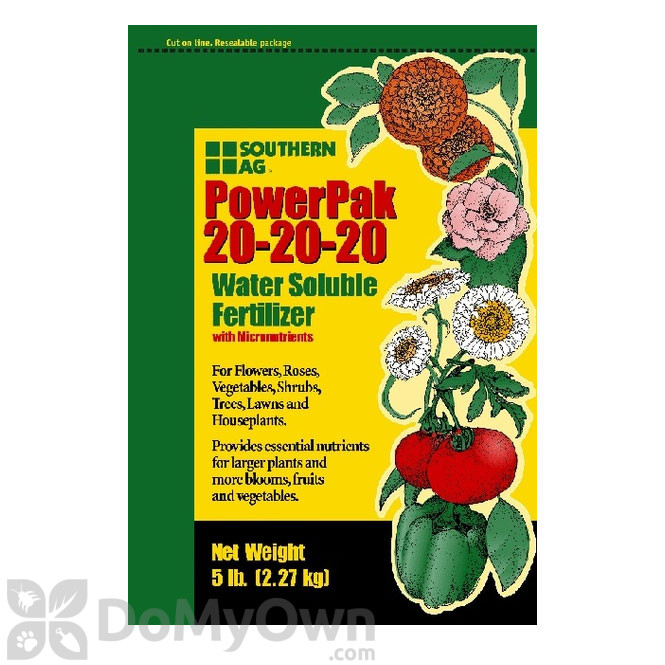
3. Southern Ag Powerpak Water Soluble Fertilizer 20-20-20
Fastest Green-Up
20-20-20 balanced, water-soluble. Mix with water, spray, green in 3-5 days. Best for a quick fix before guests, or for lawns that are very pale.
Covers 25,000 sq ft of lawn. You need to re-apply every 2-3 weeks.
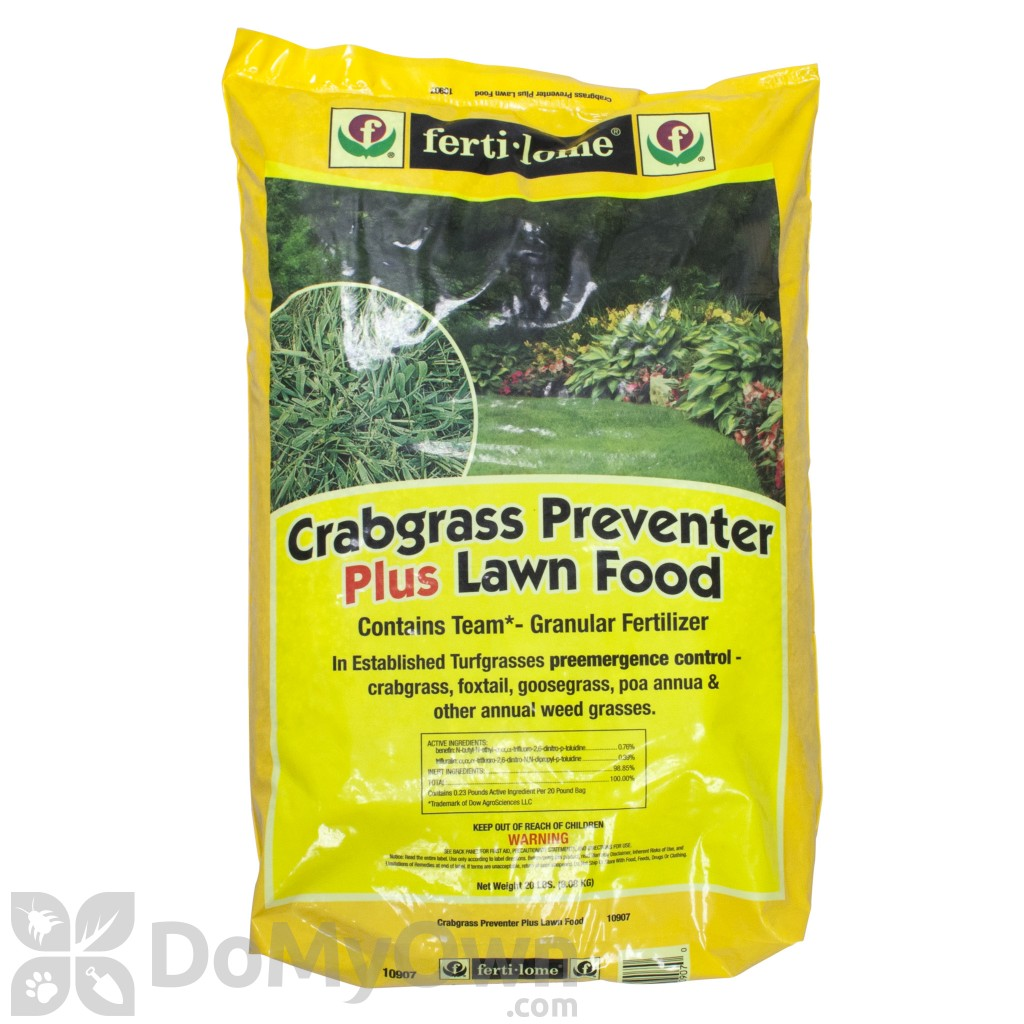
4. Ferti-Lome Crabgrass Preventer Plus Lawn Food 20-0-3
Best 2-in-1 – Fertilizer + Crabgrass Prevention
If you have crabgrass every year, this is the one. Prevents crabgrass and feeds your lawn at the same time. 20-0-3 with Team herbicide.
Apply in early spring before crabgrass seeds germinate. Don’t use it if you are seeding new grass – it will prevent your grass seed too.
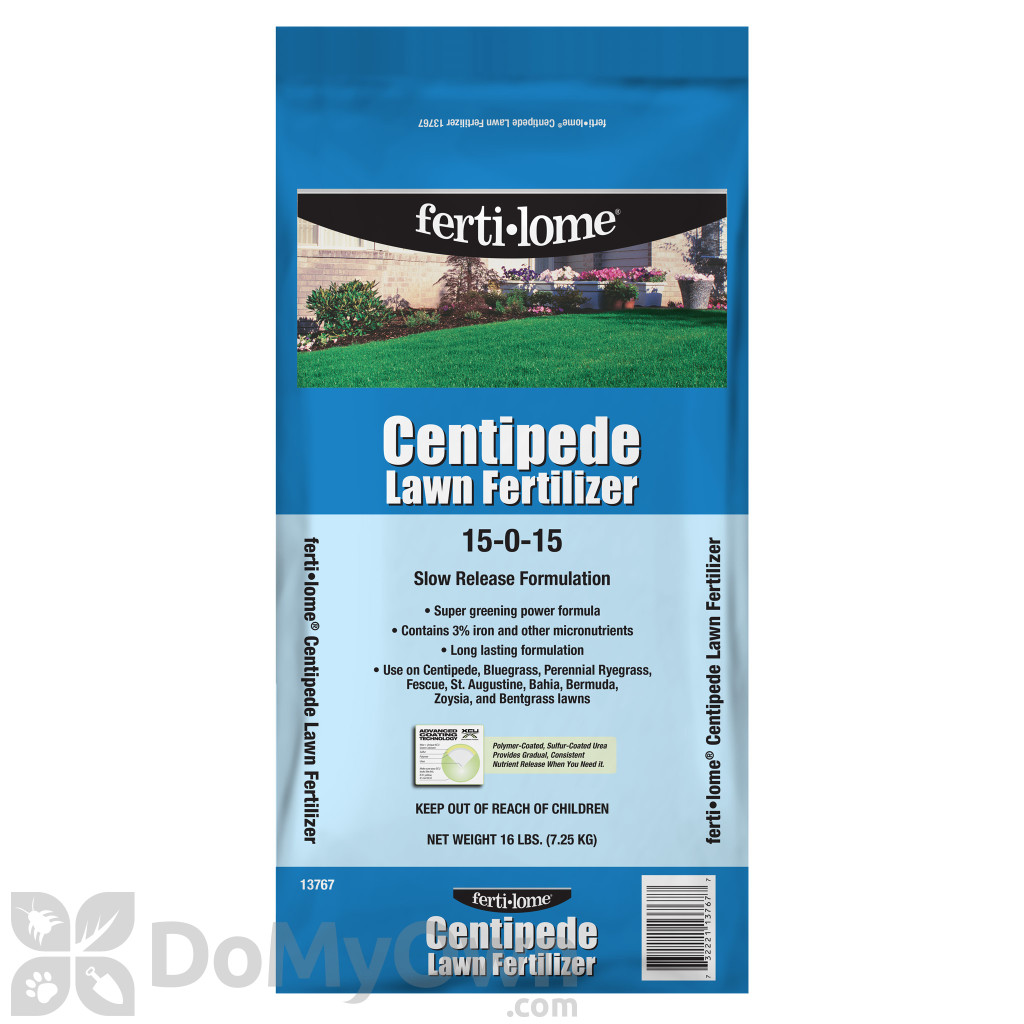
5. Ferti-Lome Centipede Lawn Fertilizer 15-0-15
Best for Centipede & Warm-Season Lawns
15-0-15, made for centipede grass and other warm-season lawns. Low phosphorus, high potash – what centipede needs. Won’t push too much top growth.
If you have centipede, don’t use a high-nitrogen fertilizer like 32-0-10. It will hurt centipede. Use this one.
How Much Fertilizer to Apply & When to Fertilize
How Much?
Always follow the label on YOUR bag – different products have different rates.
General rule:
- Slow-release granular: 1 bag covers about 5,000 sq ft – check the bag
- Water-soluble: Mix as per label, usually 1 tablespoon per gallon
Apply with a spreader, not by hand. Walk in straight lines, overlap a little. If you apply by hand, you will get green spots and yellow spots.
When to Fertilize?
| Grass Type | 1st Application | 2nd Application | 3rd Application |
|---|---|---|---|
| Cool-Season (Fescue, Bluegrass) | Early Spring | Late Spring | Fall – Most Important |
| Warm-Season (Bermuda, Zoysia, Centipede) | Late Spring | Mid Summer | Early Fall |
The Most Important Application is Fall.
For cool-season grass, the fall feeding is the most important. It makes the roots strong for winter, and the lawn comes back green in spring.
Pro Tips:
- Never fertilize dry grass in the heat. Water the lawn first, or fertilize before rain. Dry fertilizer on dry grass in 35°C will burn it.
- Don’t fertilize dormant grass. If your grass is brown and dormant in summer, don’t fertilize. Wait until it starts growing again.
- Mow first, then fertilize. Mow, then apply fertilizer, then water lightly.
- Clean your spreader after. Fertilizer is salty, it will rust your spreader if you leave it.
What If You Used Too Much and Burned the Lawn?
Water heavily immediately – 30 minutes of watering. The water will wash the excess fertilizer below the roots. Don’t fertilize again for 4 weeks.
What I Recommend – Where to Buy
Don’t buy 5 fertilizers. Buy one that fits your goal.
For Most Lawns – Best Overall:
Milorganite Fertilizer 6-4-0 – Check Price at DOMYOWN
For All Grass Types:
Espoma Lawn Food 15-0-5 – Check Price at DOMYOWN
For Fast Green-Up This Weekend:
Southern Ag Powerpak 20-20-20 – Check Price at DOMYOWN
My advice as a farmer: If you are not sure, start with slow-release. It is the hardest to mess up. Fast-release is for experienced people who know how much to use.
Always read the label on YOUR bag. Rates change by product.
FAQ
Can I fertilize a wet lawn?
Yes, but lightly. Best is to fertilize before rain, or water after. Don’t fertilize a soaking wet lawn in the heat.
How often should I fertilize?
Slow-release: 2-3 times a year. Water-soluble: every 2-3 weeks during growing season.
Is organic fertilizer slower?
Yes, but it improves your soil. After 1 year of organic, your lawn will need less fertilizer.
You might also like these articles:
- Bacterial Spot on Tomatoes and Peppers: Symptoms, Causes and Treatment

- Beneficial Insects for Vegetable Garden: Best Bugs for Natural Pest Control
- Benefits of Growing in a Greenhouse: Is It Worth It for Home Gardeners?
- Best Pesticides for Vegetable Plants: Compare Products by Pest & Disease
- Blower Sprayers for Garden Pest Control: Better Coverage Than Backpack Sprayers
- Caterpillars on Tomatoes & Cabbage: How to Control Them Organically with BT Spray
- Fusarium Wilt on Tomatoes: Signs, Prevention & Best Treatment Guide
- Gray Mold on Tomatoes & Strawberries: How to Control Botrytis Fast
- How to Combat Pests During Growing Season: The Importance of Using Multiple Pesticides to Prevent Resistance and Maximize Yield
- How to differentiate between pesticides
- How to find your pesticide in a store
- How to Get Rid of Ants: Home Remedies, Gel Baits, Sprays and Granules