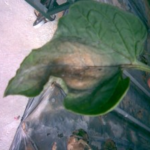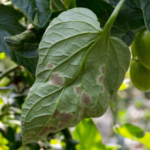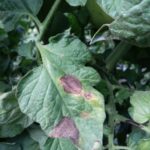

Short answer: Late blight is a fast, deadly fungus. Large black-brown wet spots on leaves and stems, white fuzz underneath in humid weather. If you see it, pull out infected plants immediately, bag them, throw in garbage. Don’t compost. Spray healthy plants with copper the same day.
Late blight has no cure once it spreads. You have 24 hours to save the rest.


Quick Table – What To Do in First 24 Hours
| Situation | What To Do – NOW |
|---|---|
| 1-2 leaves with black wet spots | Cut off those leaves, bag them, spray copper on rest of plant |
| Half the plant black, stems black | Pull whole plant out, bag it, throw in garbage, spray neighbors |
| All plants black, fruit rotting | Pull all infected plants, don’t compost, disinfect tools, don’t plant tomatoes there next year |


How to Identify Late Blight – 3 Signs
1. Large black-brown wet spots
Spots are large, 3-5 cm, black-brown, wet-looking, not dry. Not like Early Blight – no target rings. Spots look wet, greasy.

2. White fuzz underneath leaves
In humid morning, flip the leaf. Underneath you will see white-gray fuzz. That’s spores.

3. Stems turn black, fruit rots
Stems turn black and soft. Fruit gets large brown-black hard spots, then rots. Whole plant collapses in 3-5 days in cool, wet weather.
Don’t confuse with:
- Early Blight – Brown spots with target rings, dry, slow, in warm weather. Late Blight is black, wet, fast, in cool wet weather.
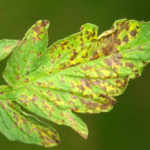
- Septoria – Small spots, 2-4 mm, many spots, slow. Late Blight spots are large, fast.
- Gray Mold – Gray fuzz, not white fuzz underneath.


Treatment – Act Fast
Step 1 – Pull Out Infected Plants – NOW
If more than 30% of plant is black, don’t try to save it. Pull it out. Put in plastic bag, tie it, throw in garbage. Don’t compost.
Wash hands and tools with bleach solution after.
Step 2 – Spray Healthy Plants with Copper – Same Day
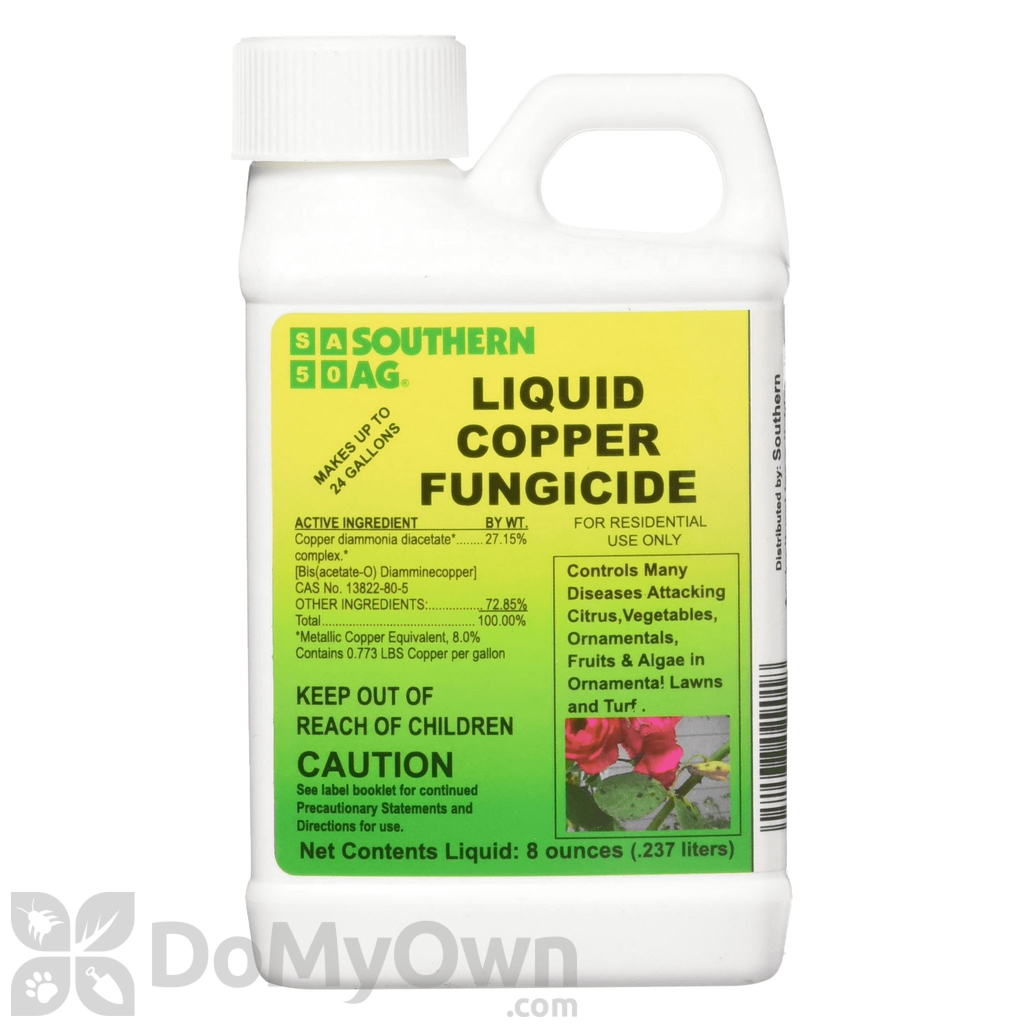
Southern Ag Liquid Copper Fungicide
Mix 3-6 tsp per gallon. Spray all leaves, top and bottom, until runoff. Spray every 7 days, until weather dries.
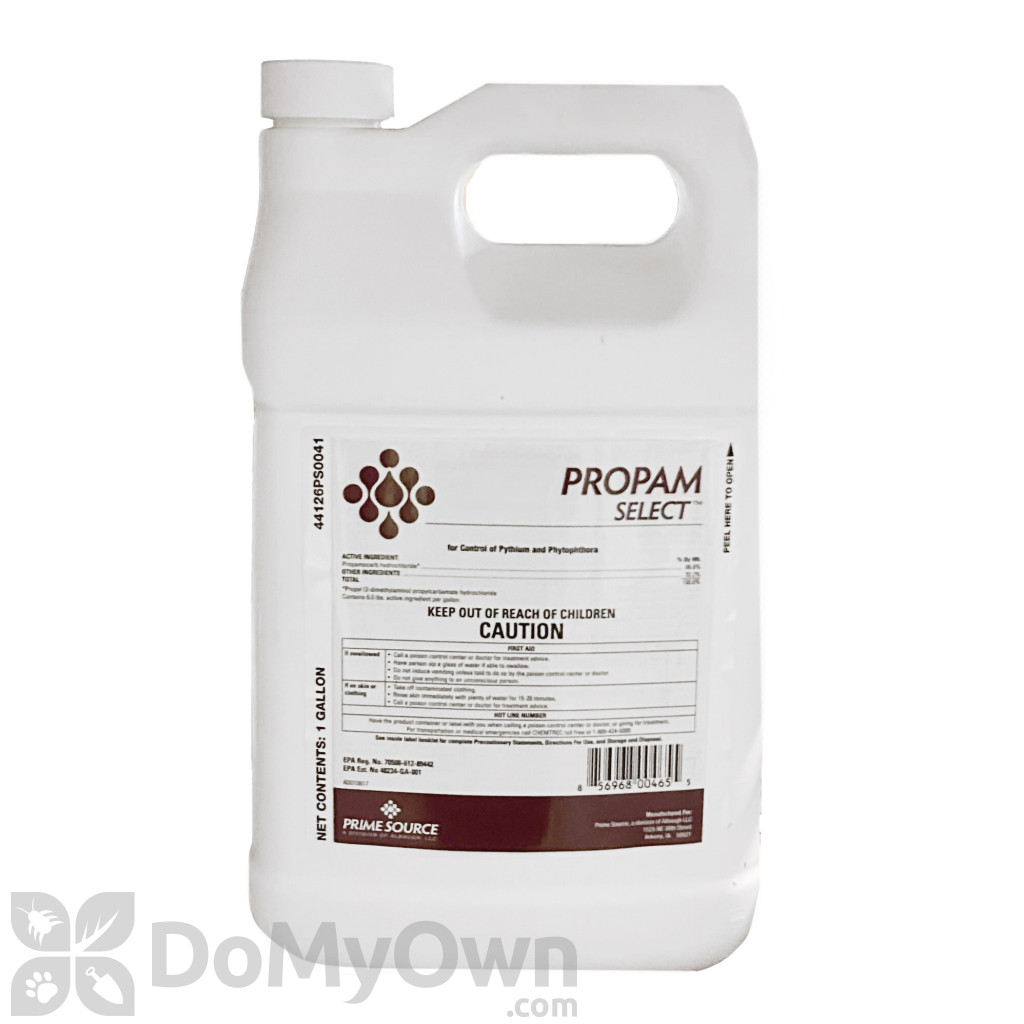
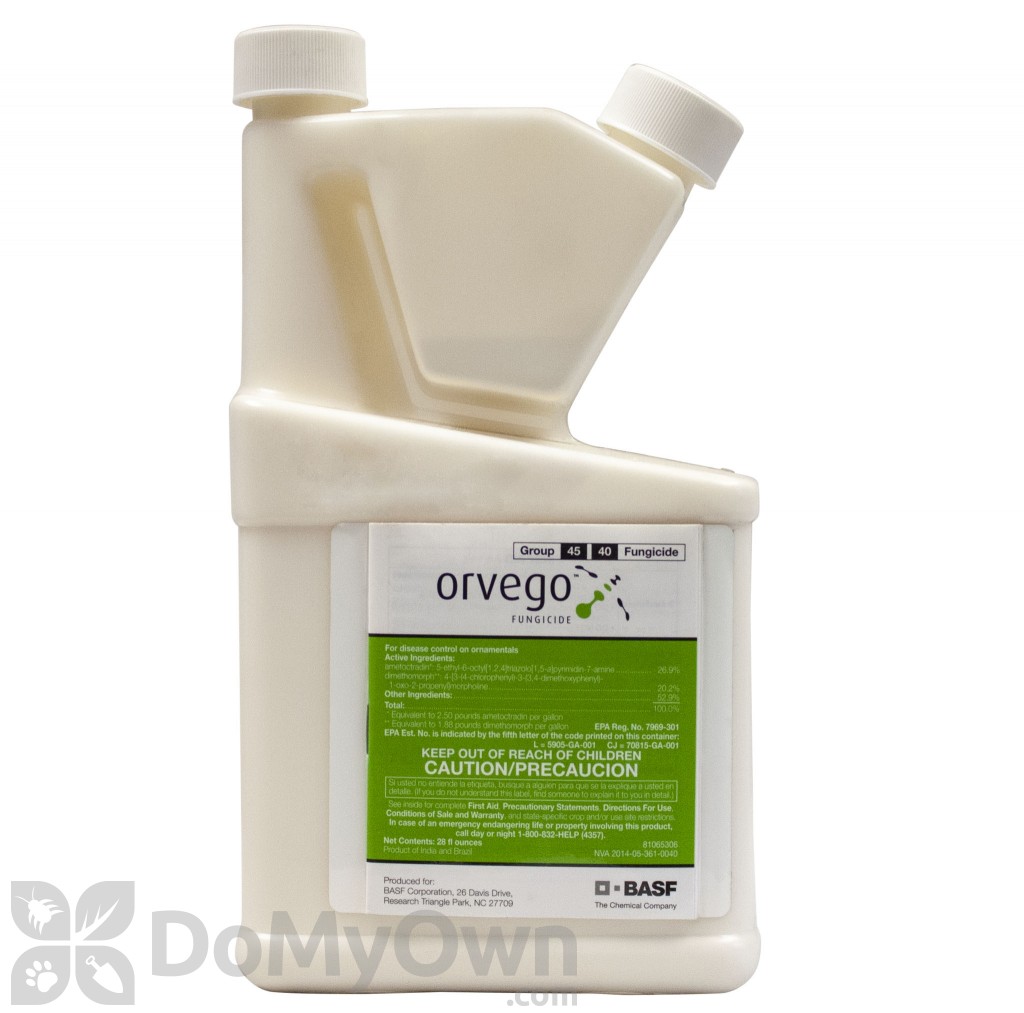
Step 3 – For Stopping Late Blight – Systemic Fungicide
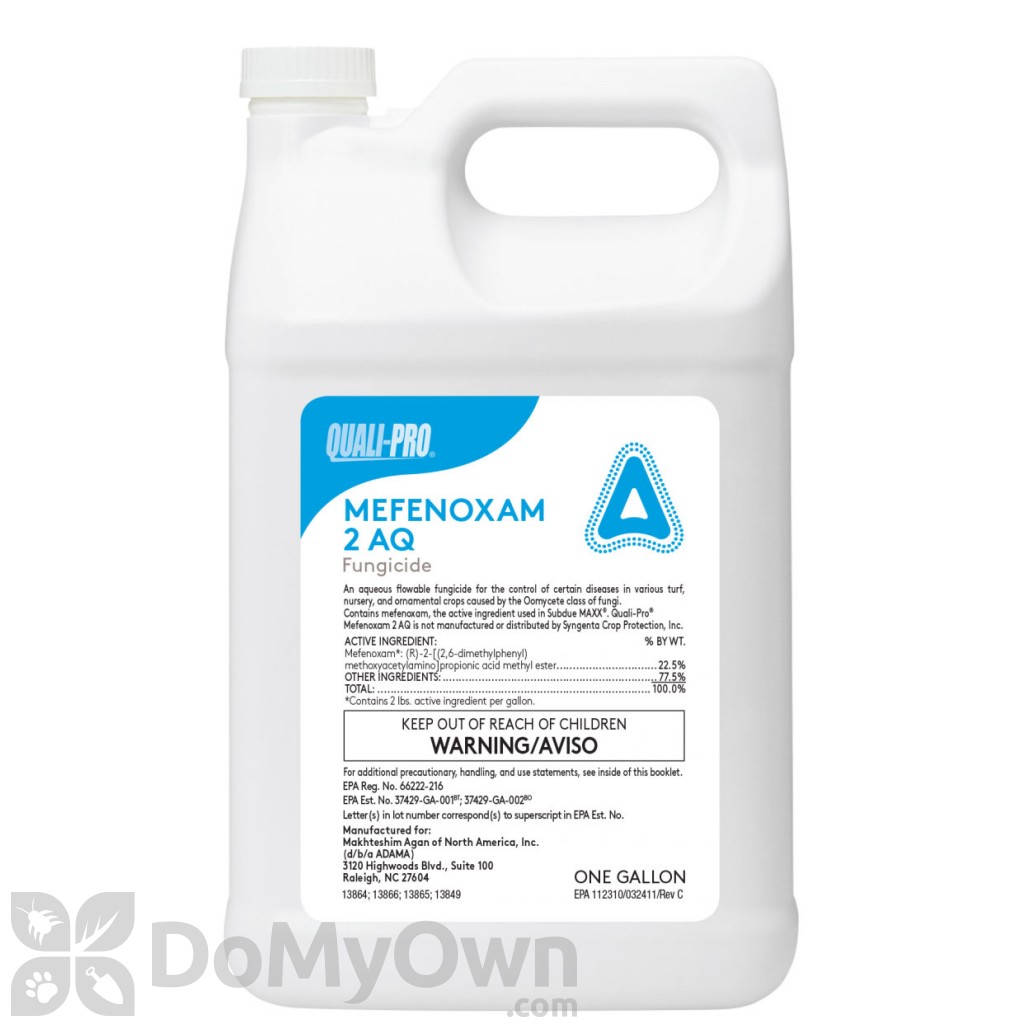
Copper only prevents. If you already see black spots and you want to stop it, you need a systemic fungicide.
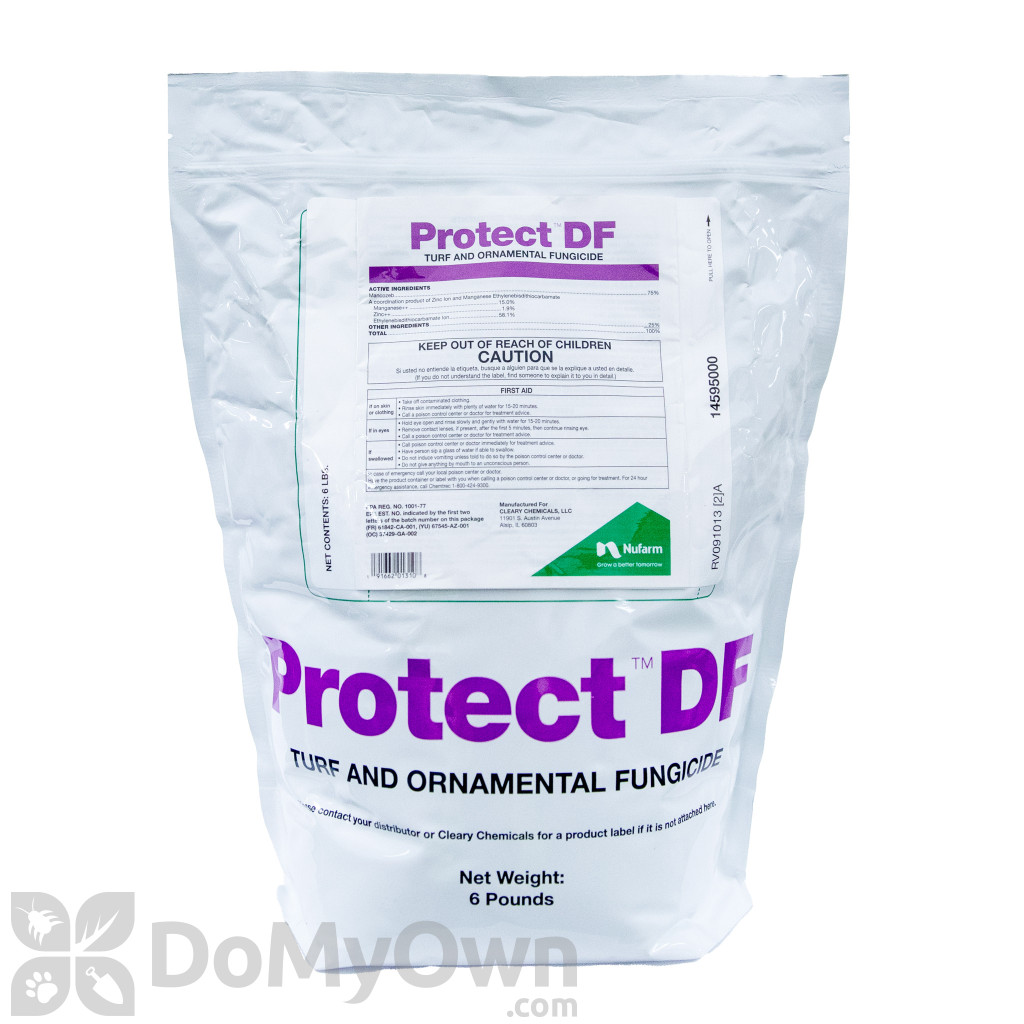
How to use: Mix as per label, spray every 7-10 days, max 2-3 times in a row. Don’t use Metalaxyl alone every time – fungus develops resistance fast. Rotate with Mancozeb or Chlorothalonil, or use a product that already mixes Mefenoxam + Mancozeb.
Important: Spray within 48 hours of first spots for best effect. If half the plant is already black, even Mefenoxam won’t save it – pull it out.
Copper doesn’t cure late blight, but it protects healthy leaves.
Prevention for Next Season
- Resistant varieties – Buy varieties marked LB Resistant
- Space plants – 3 feet between plants, good air flow
- Water at base, not on leaves – Use drip irrigation
- Don’t plant tomatoes after potatoes – Rotate, don’t plant tomato / potato in same spot 3 years
- Clean beds – Remove all tomato and potato plants at end of season
- Spray early – In cool, wet areas, start copper spray when plants are young


What I Recommend
If 1-2 leaves spotted: Cut off those leaves, bag them, spray copper on rest, check every day.
If half the plant black: Pull whole plant, bag it, spray neighbors with copper the same day.
You might also like these articles:
- Tomato Pith Necrosis: Symptoms, Causes and How to Stop It from Spreading

- Tomato Diseases and Pests: How to Identify and Treat 20+ Common Problems
- How to Get Rid of Fusarium Wilt
- Late Blight on Tomatoes: How to Identify, Treat & Stop It Fast
- Tomato Leaf Mold: Yellow Spots on Leaves & Best Treatment Guide
- Powdery Mildew on Plants: Best Fungicide Spray Treatment
- Downy Mildew on Plants: Yellow Spots & Best Treatment Guide
- Gray Mold on Tomatoes & Strawberries: How to Control Botrytis Fast
- Septoria Leaf Spot on Tomatoes: Best Treatment & Copper Spray
- Early Blight on Tomatoes: Best Treatment for Alternaria Leaf Spot
- Bacterial Spot on Tomatoes and Peppers: Symptoms, Causes and Treatment