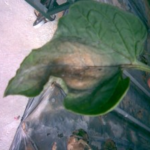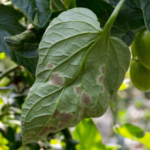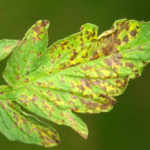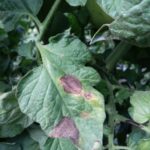

Downy Mildew is a fungus attacking cucumber, melon, pumpkin and squash, severely.

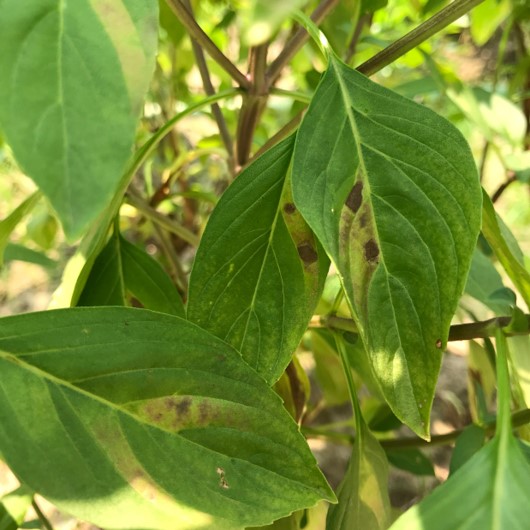
Downy mildew is characterized by the presence of small, angular lesions on the leaves of plants.
These lesions may initially appear yellow, but they will eventually turn brown or black as the disease progresses.
Downy mildew may also cause a fuzzy or powdery coating on the underside of the leaves, which can be a distinguishing characteristic of this disease.


In cucumber it’s defined on the lower side by the leaf veins.
They continue to expand until the leaf dies.




Downy mildew is caused by various species of fungi that thrive in cool, moist conditions.
The fungi can be transmitted from plant to plant by airborne spores or through contact with infected plant material.
The presence of downy mildew can also be exacerbated by poor air circulation, high humidity, and wet conditions, which create ideal conditions for the fungi to grow and spread.
If you are using overhead watering with sprinklers,
you are increasing the chance of the appearance and spreading out of this fungus.

If you can, it is better to use drip irrigation.

If an outbreak does occur, fungicides can be applied to the affected plants to reduce the spread of the disease.
For further information about this, read this post , and this post also.
There are 2 ways to eliminate downy mildew: Chemical, and organic.
Chemical:
Best pesticides against downy mildew,
Active ingredients:
| Dimethomorph | 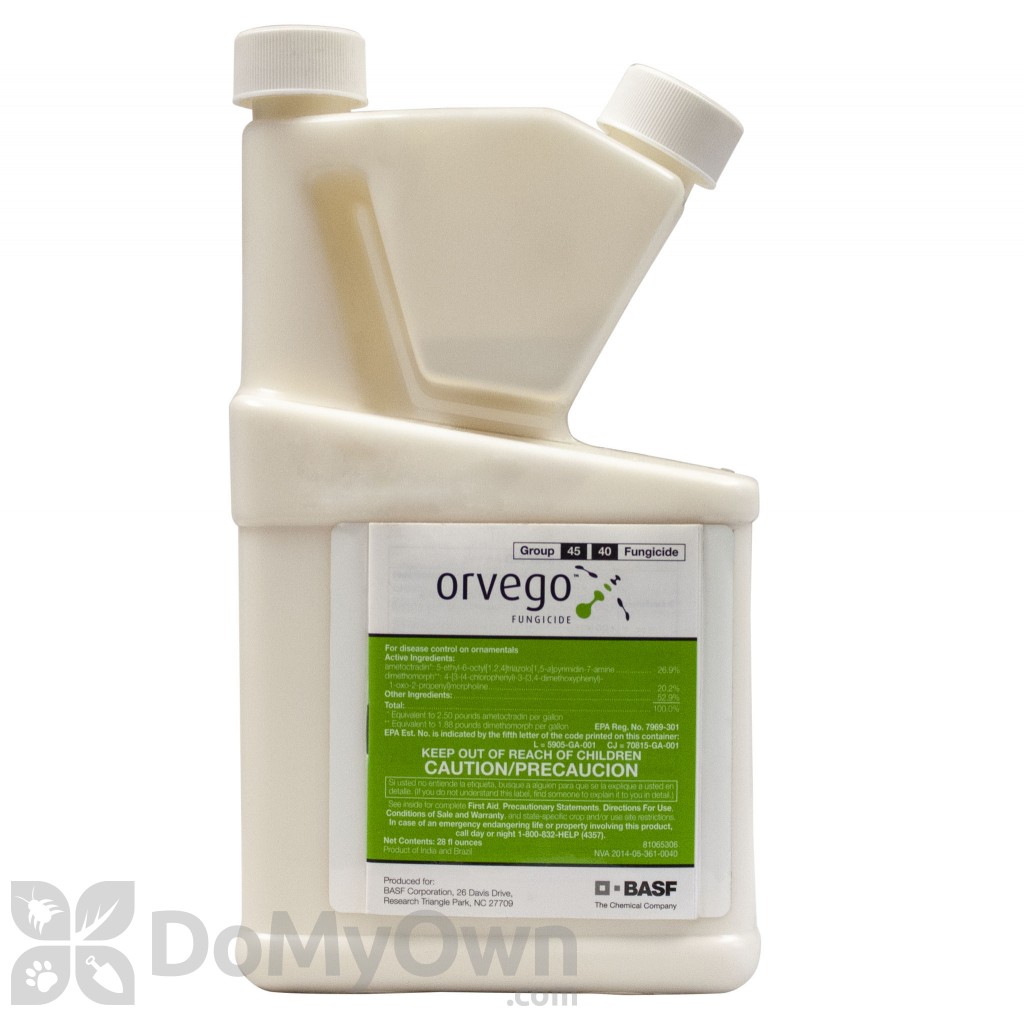 |
| Mancozeb | 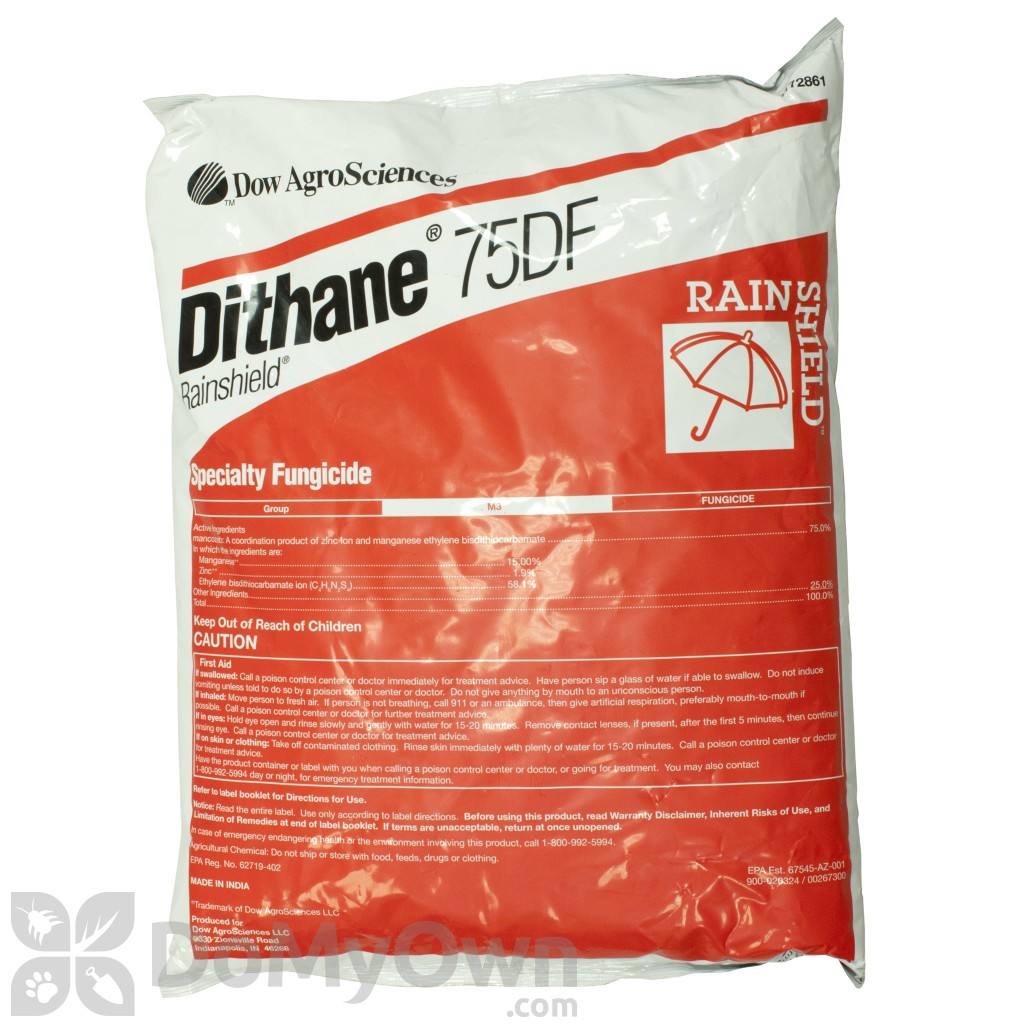 |
| Metalaxyl/Mefenoxam | 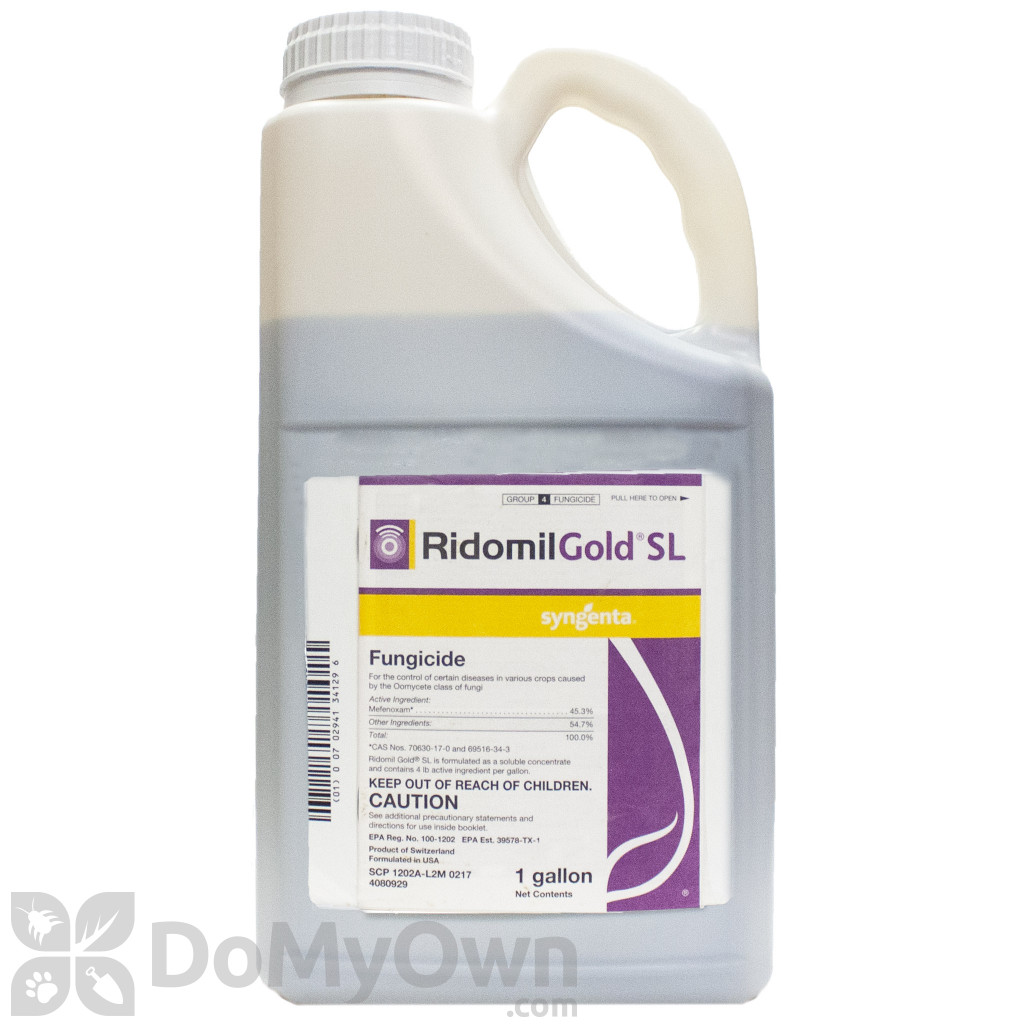 |
| Fenamidone | |
| Fosethyl Aluminium | |
| Propamocarb | 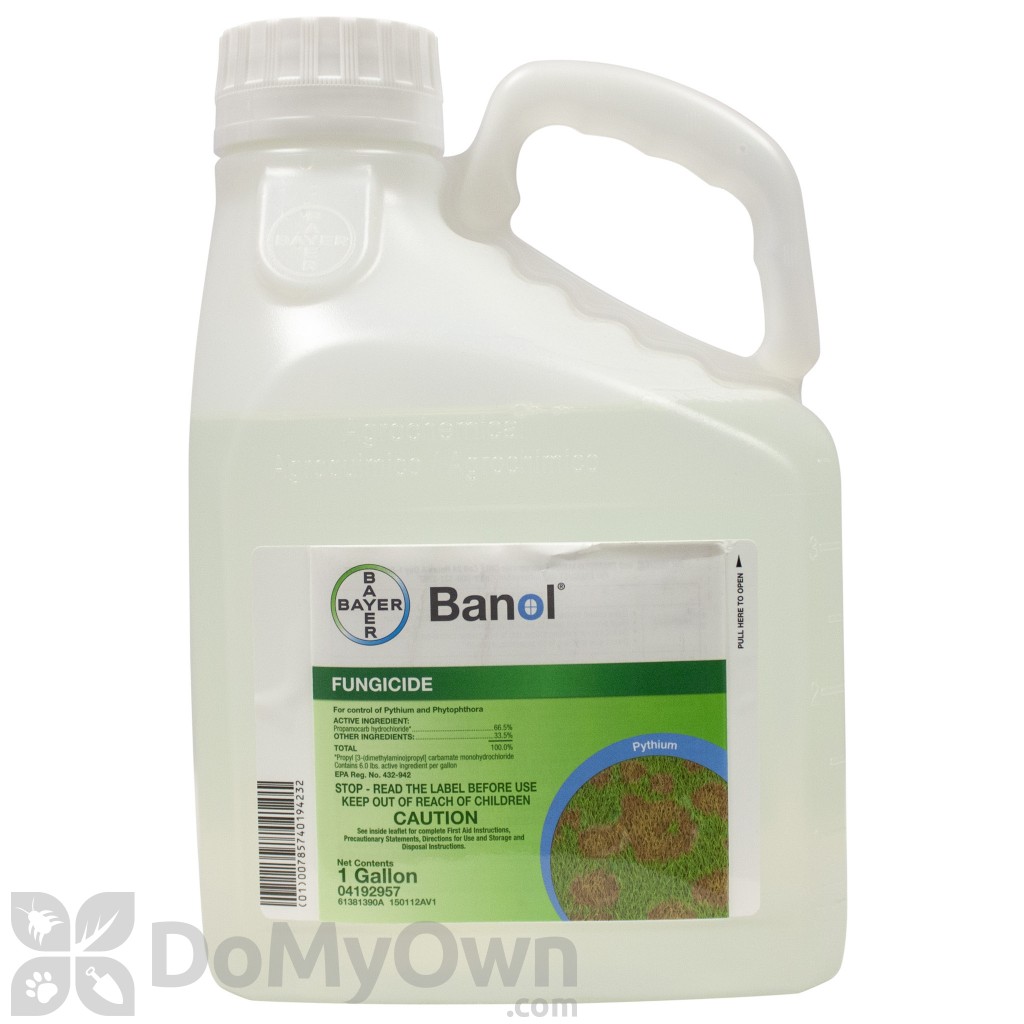 |
| Cymoxanil | |
| Fluopicolide | 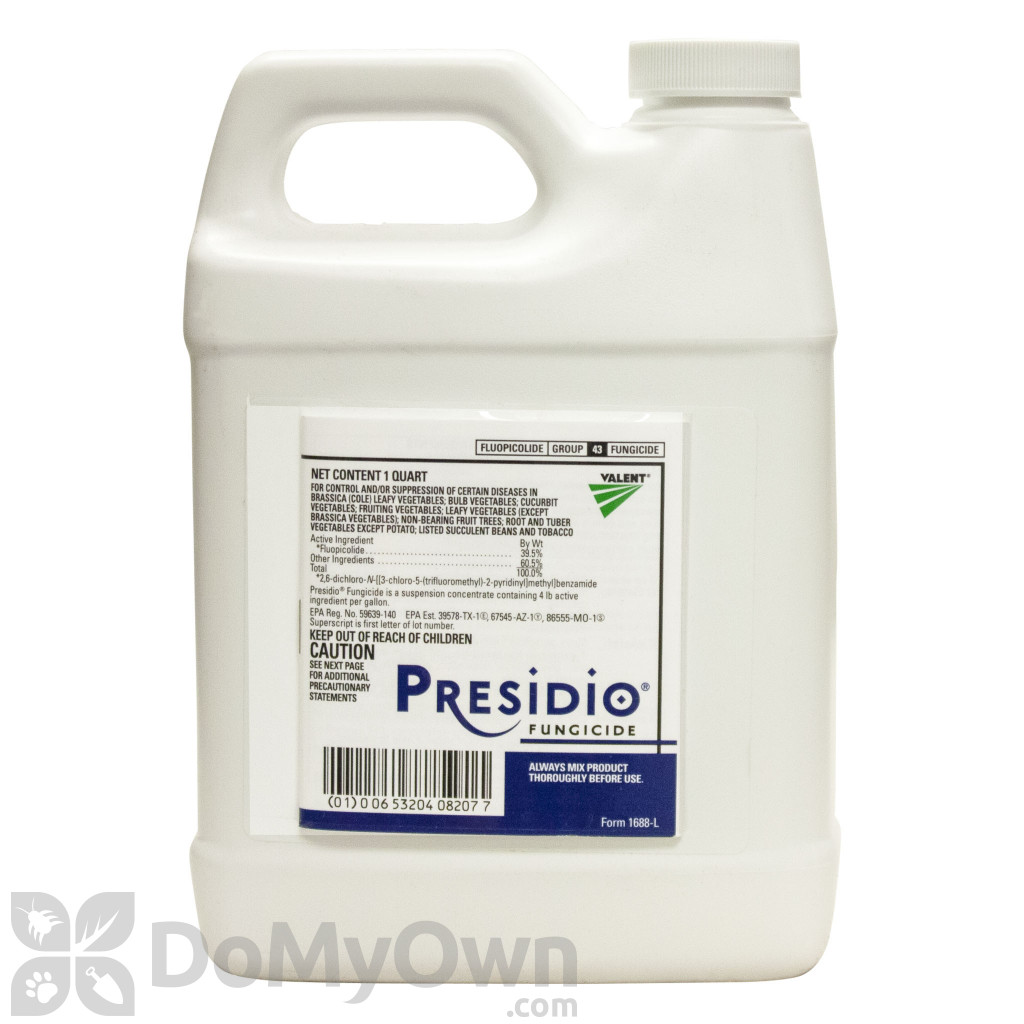 |
Organic:
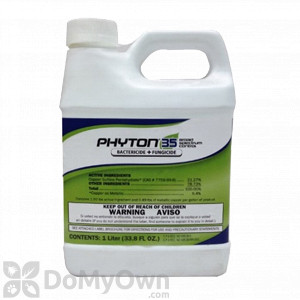
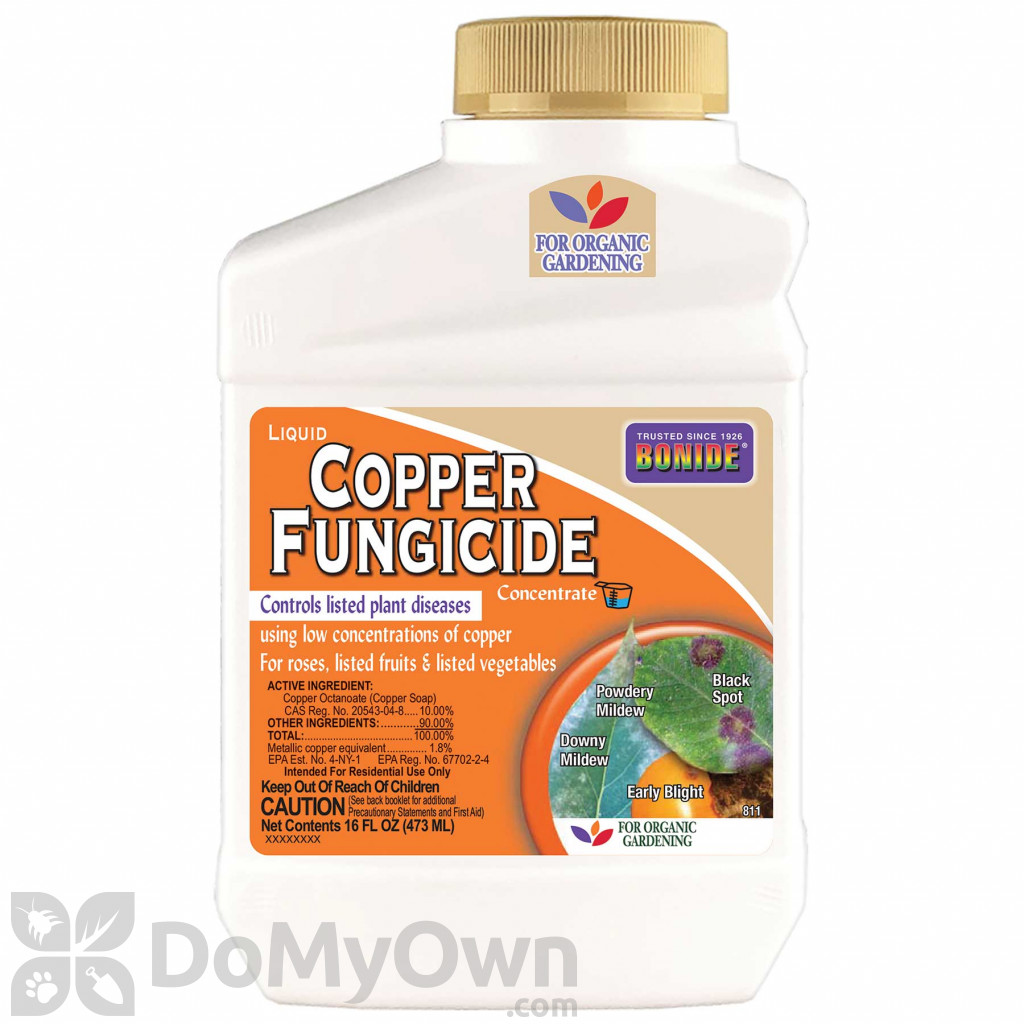
Copper sulfate –
It is an inorganic compound that combines sulfur with copper.
It can kill bacteria, algae, snails, and fungi.
It controls fungal diseases by damaging enzymes and proteins critical to fungal growth.
It has been registered for use as pesticide product in the United States since 1956.
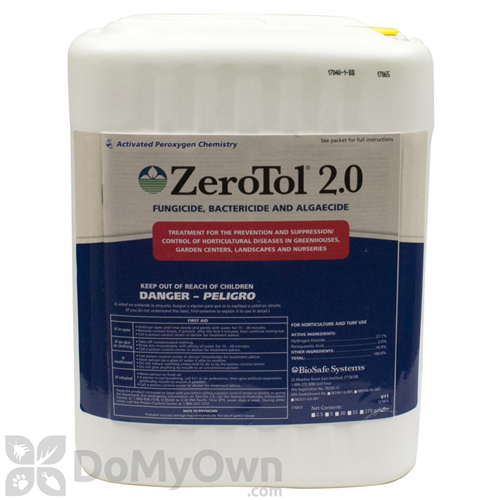
Hydrogen peroxide –
Well known as an ingredient in disinfectant products, it’s now also approved for controlling microbial pests, on crops growing indoors and outdoors, and on certain crops after harvest.
This active ingredient prevents, and controls bacteria, and fungi by destroying essential components of the cells.
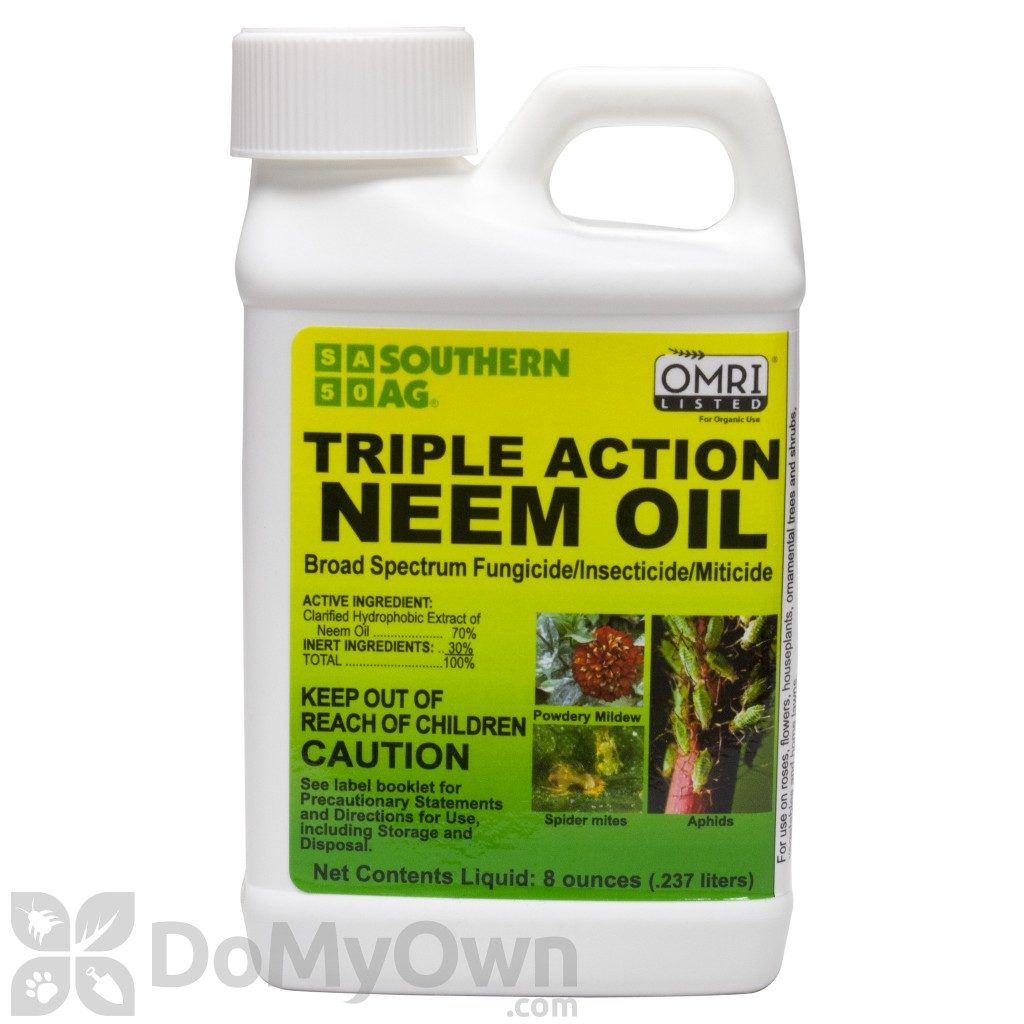
Neem oil –
A naturally occurring pesticide, found in seeds from the neem tree.
Azadirachtin is the most active component here.
It reduces insect feeding and acts as a repellent.
It also interferes with insect hormone systems, making it harder for insects to grow and lay eggs.
You might also like these articles:
- Tomato Pith Necrosis: Symptoms, Causes and How to Stop It from Spreading

- Tomato Diseases and Pests: How to Identify and Treat 20+ Common Problems
- How to Get Rid of Fusarium Wilt
- Late Blight on Tomatoes: How to Identify, Treat & Stop It Fast
- Tomato Leaf Mold: Yellow Spots on Leaves & Best Treatment Guide
- Powdery Mildew on Plants: Best Fungicide Spray Treatment
- Downy Mildew on Plants: Yellow Spots & Best Treatment Guide
- Gray Mold on Tomatoes & Strawberries: How to Control Botrytis Fast
- Septoria Leaf Spot on Tomatoes: Best Treatment & Copper Spray
- Early Blight on Tomatoes: Best Treatment for Alternaria Leaf Spot
- Bacterial Spot on Tomatoes and Peppers: Symptoms, Causes and Treatment