
Short answer: Septoria is a fungus that makes many small dark spots with yellow halo on tomato leaves. Remove infected lower leaves, spray Copper Hydroxide every 7-10 days, and don’t wet leaves when watering. It won’t cure leaves that are already spotted, but it stops it from spreading.
If you do nothing, all lower leaves will turn yellow and fall, and your plant will stop producing.
Quick Table – What To Do
| Situation | What To Do |
|---|---|
| Few spots on lower leaves | Remove infected leaves, spray copper, every 7-10 days |
| Many leaves spotted, plant still alive | Remove worst leaves, spray copper + chemical fungicide, every 7 days |
| All leaves yellow, plant dying | Pull it out, don’t compost, disinfect tools |
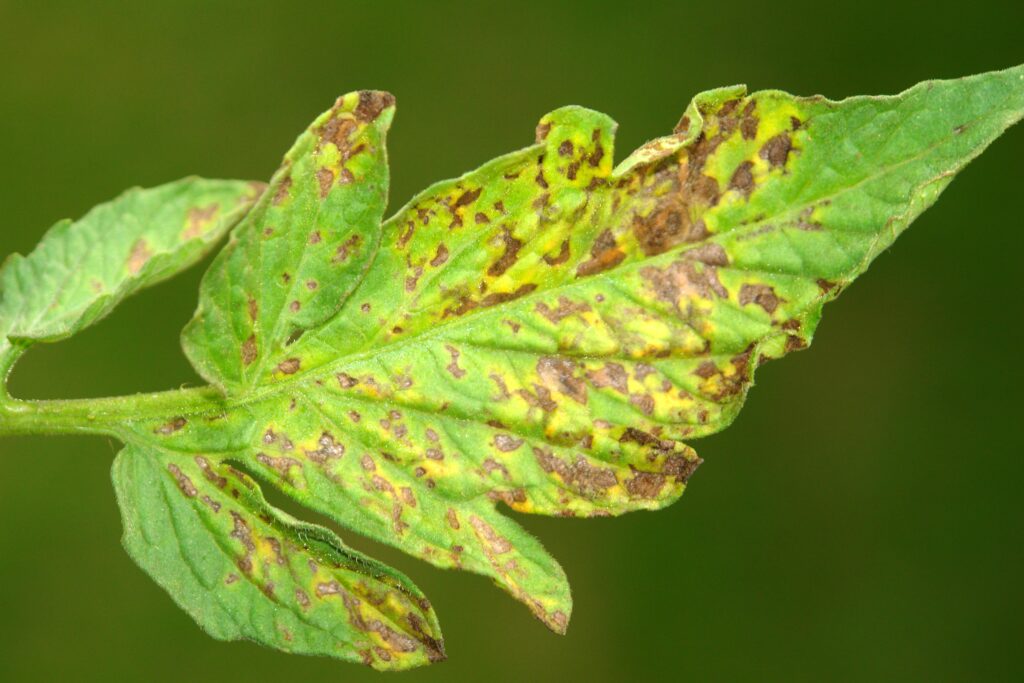
How to Identify Septoria – 3 Signs
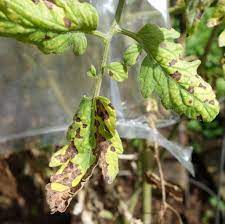
1. Small circular spots, dark-brown margins, pale center
Spots are small, 2-4 mm, scattered over leaves. Dark-brown edge, light gray center. Later, black dots appear in the center – those are spores.
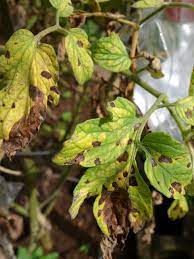
2. Starts on lower, older leaves
Septoria always starts at the bottom. Lower leaves get spots first, then it moves up. Upper leaves stay clean at first.
3. Leaves turn yellow, wither, fall
Heavily infected leaves turn yellow, wither, and fall off. Plant looks bare at the bottom, with leaves only on top.
Don’t confuse with:
- Early Blight – Bigger spots, with target rings, like a target. Septoria spots are small, no rings.
- Bacterial Spot – Spots are raised, scabby, on fruit too. Septoria is only on leaves, flat spots.
- Gray Leaf Spot – Spots are gray, not dark-brown, and no black dots in center.
Septoria attacks only tomato and potato.
Why It Happens
Septoria lycopersici is a fungus. It overwinters in plant debris and soil. Spores splash up from soil to lower leaves when you water or when it rains.
It likes:
- Warm, wet weather – 20-25°C, wet leaves
- Overhead watering – water splashes spores up
- Crowded plants – no air flow, leaves stay wet
- Lower leaves touching soil
It does NOT spread by wind far. It spreads by water splash, tools, hands.
Treatment – What Works
Step 1 – Remove Infected Leaves
Pick off lower leaves with many spots. Put in plastic bag, throw in garbage. Don’t compost – compost doesn’t kill septoria spores.
Wash hands and tools after.
Mulch around plants – 2-3 inches of straw or mulch – so soil doesn’t splash up to leaves.
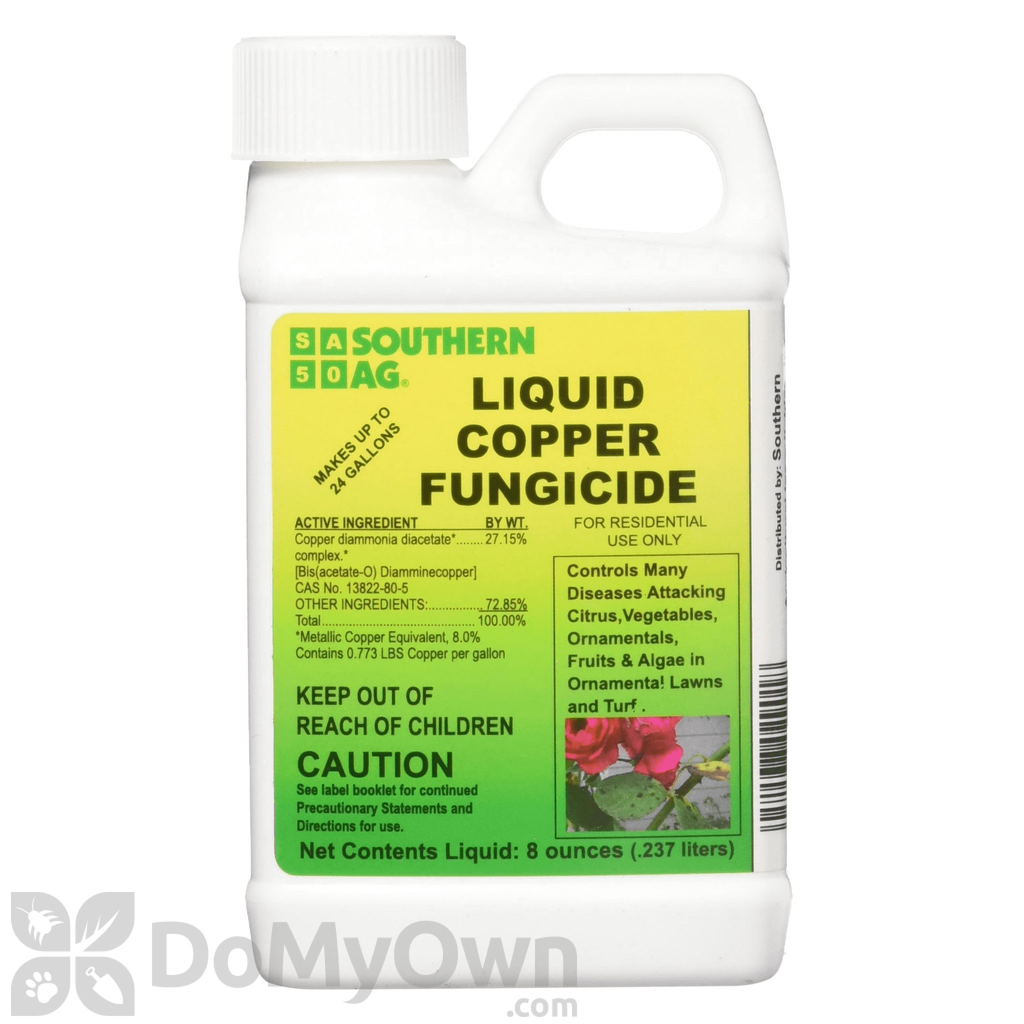
Step 2 – Spray Copper Hydroxide – Best Treatment
Copper Hydroxide is the best treatment for septoria. It prevents spores from germinating. It doesn’t cure leaves that are already spotted, but it protects new leaves.
How to use: Mix as per label, spray all leaves, top and bottom, until runoff. Spray every 7-10 days. Re-spray after rain.
When to spray: Early morning or evening, not in heat above 30°C, not when bees are active.
Why Copper Hydroxide?
- OMRI-listed, organic, safe for tomatoes
- Stays on leaves, doesn’t wash off easily
- Prevents germination of fungal spores
- Also works on Early Blight, Bacterial Spot, Late Blight prevention
Step 3 – For Heavy Infection – Chemical Fungicide
If more than half your leaves are spotted, copper alone is not enough. Add a chemical fungicide.
Active ingredients that work on septoria:
- Chlorothalonil
- Mancozeb
- Azoxystrobin
How to use: Mix as per label, spray every 7 days, 3 times. Rotate between copper and chemical – don’t use the same fungicide every time, fungus develops resistance.
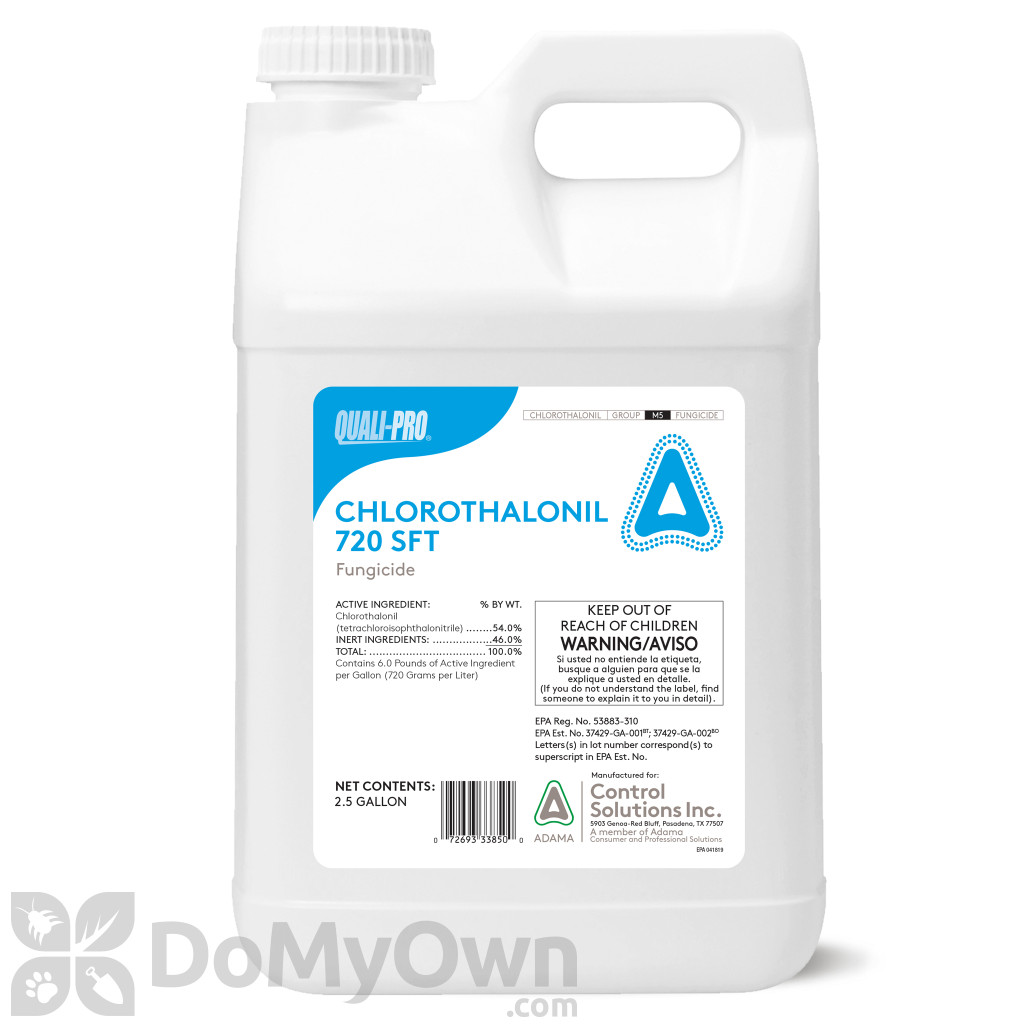
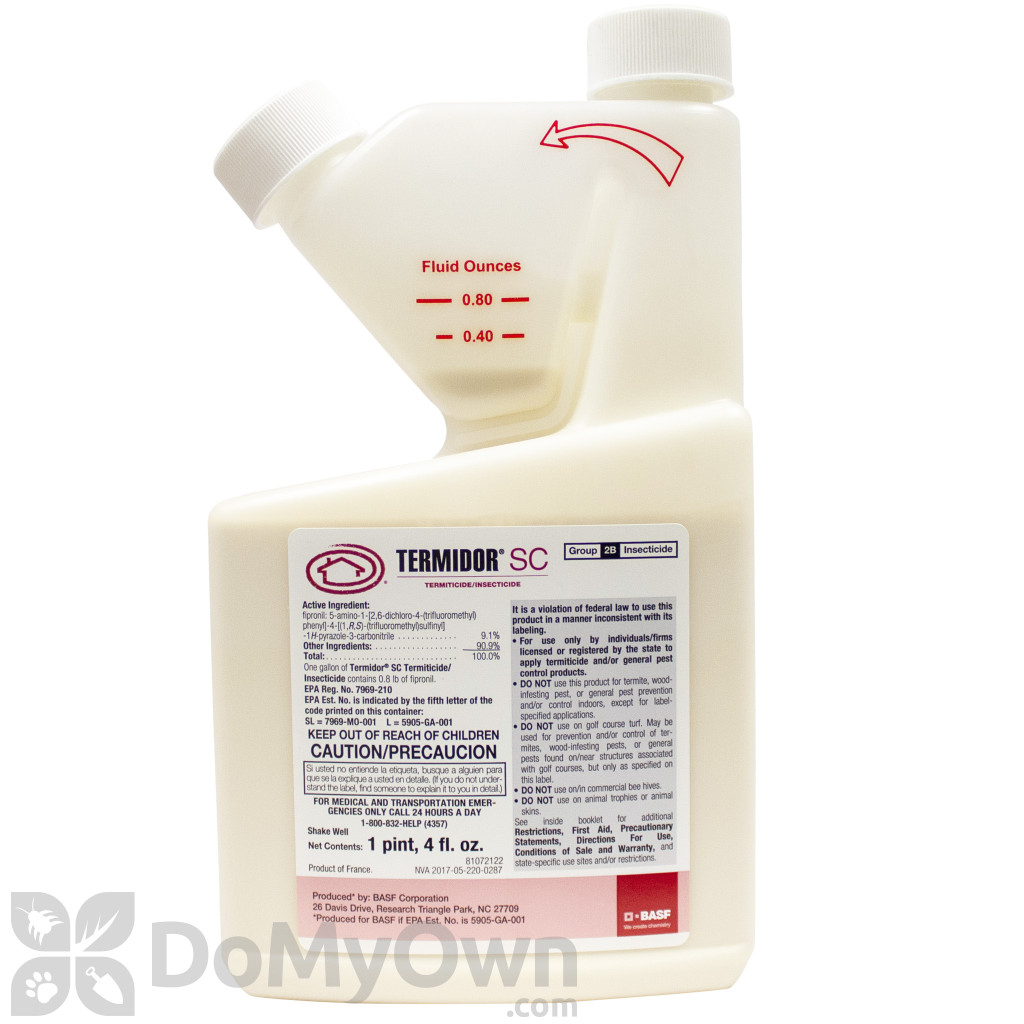
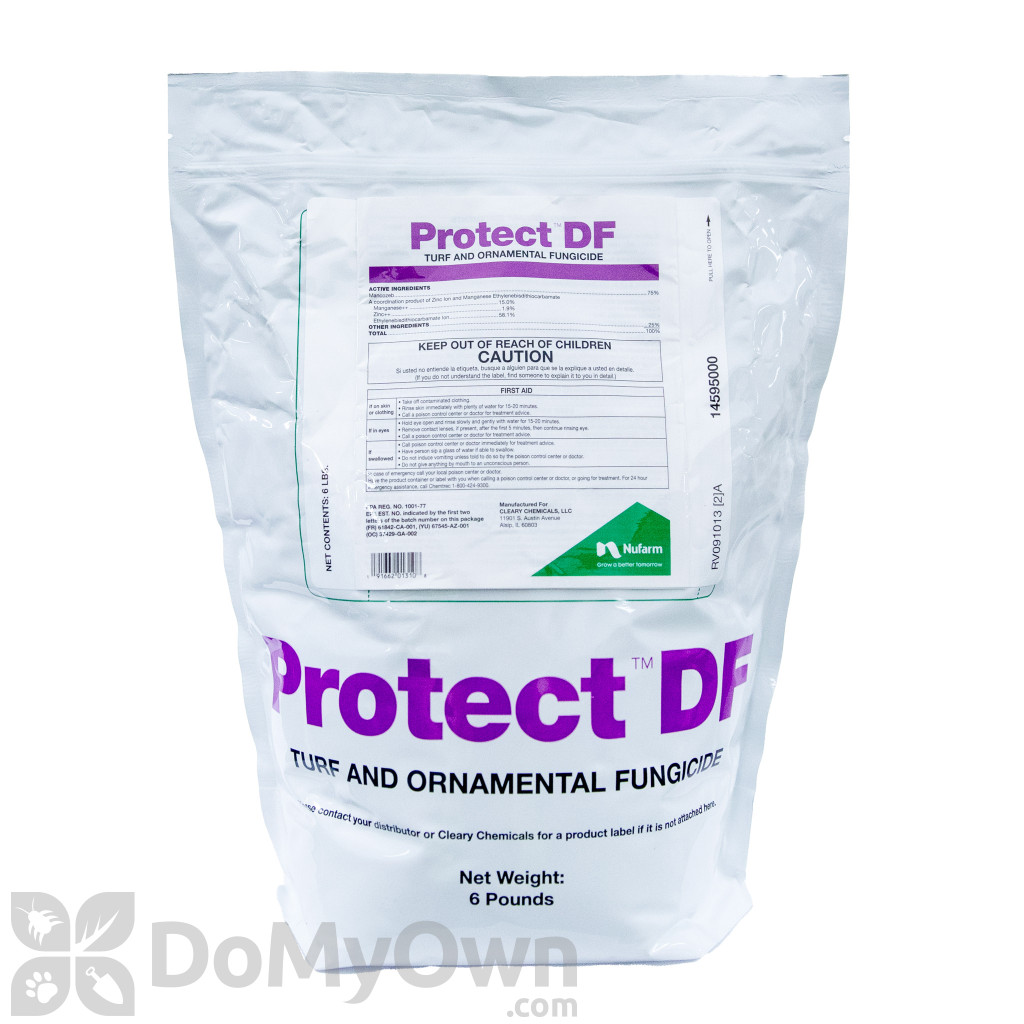
Important: Always follow the label on YOUR product. Check if it is allowed in your country and on tomatoes.
What Does NOT Work
- Neem oil – Good for insects, weak for septoria. Don’t rely on neem alone for septoria.
- Baking soda – Changes pH a little, not enough for septoria.
- Removing 1-2 leaves and doing nothing – Septoria spreads fast. You must spray after removing leaves.
Prevention for Next Season
- Water at base, not on leaves – Use drip irrigation or water at soil level. Don’t overhead water.
- Mulch – 2-3 inches of mulch stops soil splash.
- Space plants – 2 feet between plants, good air flow, leaves dry fast.
- Remove debris – At end of season, remove all tomato plants, don’t leave them in soil. Spores overwinter in debris.
- Rotate crops – Don’t plant tomatoes or potatoes in same spot 2 years in a row. Rotate with beans, corn, lettuce.
- Spray early – Start copper spray when plants are young, before you see spots. Prevention is 10x easier than cure.
What I Recommend
If few spots: Remove infected lower leaves, mulch, spray Copper Hydroxide every 7-10 days.
If many leaves spotted: Remove worst leaves, spray Copper Hydroxide + chemical fungicide, every 7 days, 3 times.
For next season: Mulch + drip irrigation + resistant varieties + early copper spray.
FAQ
Can I eat tomatoes from a plant with septoria?
Yes, if fruit is not infected. Septoria is only on leaves, not on fruit. Wash fruit well.
Will septoria kill my plant?
If you do nothing, yes – leaves fall, plant stops photosynthesizing, dies. If you spray early, plant recovers and produces.
Can I use the same sprayer for copper and insecticide?
Yes, but wash sprayer with clean water between uses. Don’t mix copper + other products unless label says you can.
Does septoria spread to peppers or cucumbers?
No. Septoria lycopersici attacks only tomato and potato.
Should I pull out a plant with septoria?
No, unless all leaves are yellow and plant is dying. Septoria is manageable – remove lower leaves, spray copper, plant will keep producing.
You might also like these articles:
- Yellow Leaves on Plants? Iron, Zinc & Micronutrient Deficiencies Explained

- Soil Testing for Beginners: The 3 Kits I Actually Use After 30 Years
- Soil pH for Tomatoes: How to Test, Fix High or Low pH & Why It Matters
- Potassium Deficiency on Tomatoes: Signs, Causes & Best Liquid Fertilizer (0-0-50)
- Phosphorus Deficiency on Tomatoes: Signs & Best Bloom Booster Fertilizer (10-30-20)
- Nitrogen Deficiency on Tomatoes: Yellow Lower Leaves, Slow Growth & Best Fertilizer Fix
- How to Fertilize Tomatoes and Vegetables: Best NPK Schedule & Timing Guide
- Fruit Tree Dormancy Explained: Chill Hours, Pollination and Pest Control
- EC Meter for Hydroponics: How to Measure Nutrient Strength Correctly
- Blossom End Rot: Causes, Fixes and Prevention for Tomatoes, Peppers and Watermelon
- Blossom End Rot on Tomatoes & Peppers: Calcium, Magnesium & Sulfur Fix Guide
- Best Slow-Release Fertilizer for Trees and Shrubs