
Short answer: You cannot cure a plant that already has fusarium wilt. Pull it out and destroy it. You CAN save the rest of your plants with a soil drench fungicide in the first month after planting, and prevent it next season with resistant varieties.
If your tomato is wilting during the day and recovering at night, then wilting all the time – it’s fusarium. Don’t wait.

Quick Table – What To Do
| Situation | What To Do |
|---|---|
| Plant already wilting, brown stem | Pull it out, destroy it, don’t compost it |
| Rest of plants still healthy | Soil drench with fungicide – 3 times: week 1, week 3, week 5 |
| Next season – prevention | Resistant varieties + soil disinfection before planting |


How to Identify Fusarium Wilt – 3 Signs
1. Wilting during the day, recovery at night
At first, the plant wilts in the heat of the day and recovers at night when it’s cool. As the disease progresses, it wilts all the time and doesn’t recover.
2. Yellowing from bottom up
Lower leaves turn yellow, then light brown, then die. It moves up the plant.
3. Brown inside the stem
Cut the stem lengthwise near the soil line. If you see reddish-brown discoloration in the stem cortex, it’s fusarium. Healthy stem is green-white inside. Fusarium stem is brown, dry, hollow.
Don’t confuse with:
- Lack of water – Whole plant wilts, soil is dry, recovers after watering
- Bacterial wilt – Plant wilts fast, no yellowing, stem is slimy inside, not dry
- Root rot / Pythium – Roots are black and mushy, not brown stem

Why It Happens
Fusarium is a soil fungus. Spores survive in soil for more than a year, sometimes 100-150 cm deep. They spread by:
- Air and dust
- Water and irrigation
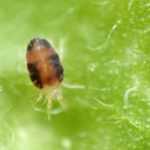
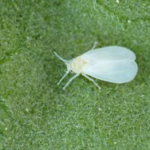
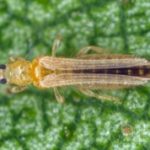
- Insects and mites
- Tools, pots, benches, plant debris
Spores enter through roots, clog the xylem – the tubes that carry water up. The plant can’t get water, so it wilts, even if the soil is wet.
Incubation period: 2-13 weeks. You can plant a healthy-looking seedling, and 2 months later it wilts.


Treatment – What Works
Step 1 – Remove Infected Plants Immediately
Pull out the wilting plant with the roots. Put it in a plastic bag, throw it in the garbage. Don’t compost it – compost doesn’t kill fusarium spores.
Disinfect your tools after – wash with bleach solution.
Step 2 – Soil Drench Fungicide – For Remaining Plants
This is the only treatment that works for plants that are not yet infected.
How it works: You apply fungicide through the drip irrigation, like liquid fertilizer, in the first month after planting. It protects the roots.
When to apply – 3 times:
- 1 week after planting
- 3 weeks after planting
- 5 weeks after planting
Use ONE fungicide, not both together.
Option 1 – Fludioxonil – Spirato GHN – This is the one you can buy
Spirato GHN contains fludioxonil, Group 12 fungicide. Protectant fungicide for roots, stems, and leaves. For ornamentals, seedlings, transplants, and vegetables in greenhouses, shade houses, and hoop houses.
How to use: Apply through drip irrigation, soil drench, 3 times as above. Follow the label on YOUR bottle – rates change by crop.
Important – Read this:
- Not for field vegetable production – greenhouse only
- Not for use in California or Hawaii
- Always follow the label

Option 2 – Prochloraz
Prochloraz is also a fungicide that protects roots from fusarium, same schedule – week 1, 3, 5. Check local availability in your country – it is not available in DOMYOWN.
Success rate: Almost 100% if you apply on time in the first month. If you wait until plants are already wilting, it’s too late.
My advice as a farmer: Don’t wait. If you see one plant wilting, start the drench on the rest the same day.
Step 3 – Prevention for Next Season
Soil disinfection alone is not enough. It kills spores in the soil, but new spores come back with air, dust, and insects. After 3 months, plants will get infected again.
You need 2 layers of prevention:
1. Resistant Varieties or Rootstock – Most Important
Buy tomato varieties marked F or F1 for Fusarium resistance. Or graft onto a resistant rootstock. This is the most important prevention. Without resistant varieties, you will get fusarium again next year.
2. Soil Disinfection Before Planting
Disinfect soil, pots, benches, and irrigation equipment before planting. This reduces the initial spore load.
For full soil disinfection methods – solarization, bleach, steam – see my guide: [How to Sanitize Garden Soil Before Planting]
What Does NOT Work
- Spraying leaves with fungicide – Fusarium is in the soil and in the stem, not on leaves. Leaf spray does nothing.
- Watering more – The plant wilts because xylem is clogged, not because soil is dry. More water makes it worse.
- Fertilizer – Fertilizer doesn’t cure fusarium. It can make it worse by pushing soft growth.
What I Recommend
If plants are already wilting: Pull them out. Don’t waste fungicide on them.
If plants are still healthy, first month after planting: Soil drench with Spirato GHN (Fludioxonil), 3 times, week 1, 3, 5.
For next season: Resistant varieties + soil disinfection before planting.
FAQ
Can I save a plant that already has fusarium wilt?
No. Once the stem is brown and hollow, the xylem is clogged. Pull it out.
Can I replant tomatoes in the same soil?
Not without disinfection and resistant varieties. Spores survive 1+ year in soil.
Is fusarium contagious to other plants?
Yes. Through water, tools, insects, and dust. Disinfect tools after touching infected plants.
Can I eat tomatoes from a plant with fusarium?
The fruit is not poisonous, but the plant will stop producing and die soon. Pull it out to protect other plants.
Can I use Spirato GHN on field tomatoes?
No. Spirato GHN is for greenhouse, shade house, hoop house, and ornamentals only. Not for field vegetable production. Check the label
You might also like these articles:
- Root-Knot Nematodes: How to Identify, Prevent, and Kill Them (Chemical, Organic & Biological)

- How to Get Rid of Aphids on Tomatoes and Vegetables: Organic and Biological Control
- How to Sanitize Garden Soil Before Planting (2026 Best Methods Guide)
- Bacterial Spot on Tomatoes and Peppers: Symptoms, Causes and Treatment
- Early Blight on Tomatoes: Best Treatment for Alternaria Leaf Spot
- Septoria Leaf Spot on Tomatoes: Best Treatment & Copper Spray
- Japanese Beetles Eating Leaves? How to Get Rid of Beetles and Grubs Fast
- How to Combat Pests During Growing Season: The Importance of Using Multiple Pesticides to Prevent Resistance and Maximize Yield
- How to Get Rid of Spider Mites on Tomatoes and Cucumbers: Organic and Biological Control
- How to Get Rid of Whiteflies on Plants: Neem Oil, Insect Netting and Beneficial Mites
- How to Get Rid of Thrips on Tomatoes and Peppers: Organic and Biological Control
- How to Get Rid of Leaf Miners on Tomatoes: Organic, Chemical and Biological Control