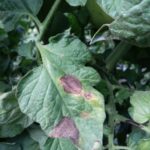
Tomatoes are popular and relatively easy to grow, in a garden or in containers. But most beginners make the same 3 mistakes: wrong soil, wrong watering, and no calcium. Fix those 3, and you get a healthy, productive plant.
Step 1 – Choose A Sunny Location
- Tomatoes need at least 6 hours of direct sunlight per day
- Choose a spot that gets morning sun, not only afternoon sun
- Morning sun dries dew fast, reduces fungus
- Don’t plant tomatoes where you planted tomatoes, peppers, or eggplant last year – same diseases stay in soil
Step 2 – Prepare The Soil
- Tomatoes grow best in well-drained soil, rich in organic matter
- pH 6.0-6.8 is ideal for tomatoes
- Add compost or well-rotted manure before planting
- Don’t plant in cold soil – wait until soil is warm, after all danger of frost has passed
Black Kow Composted Cow Manure 0.5 – 0.5 – 0.5
>> See Black Kow Composted Cow Manure <<
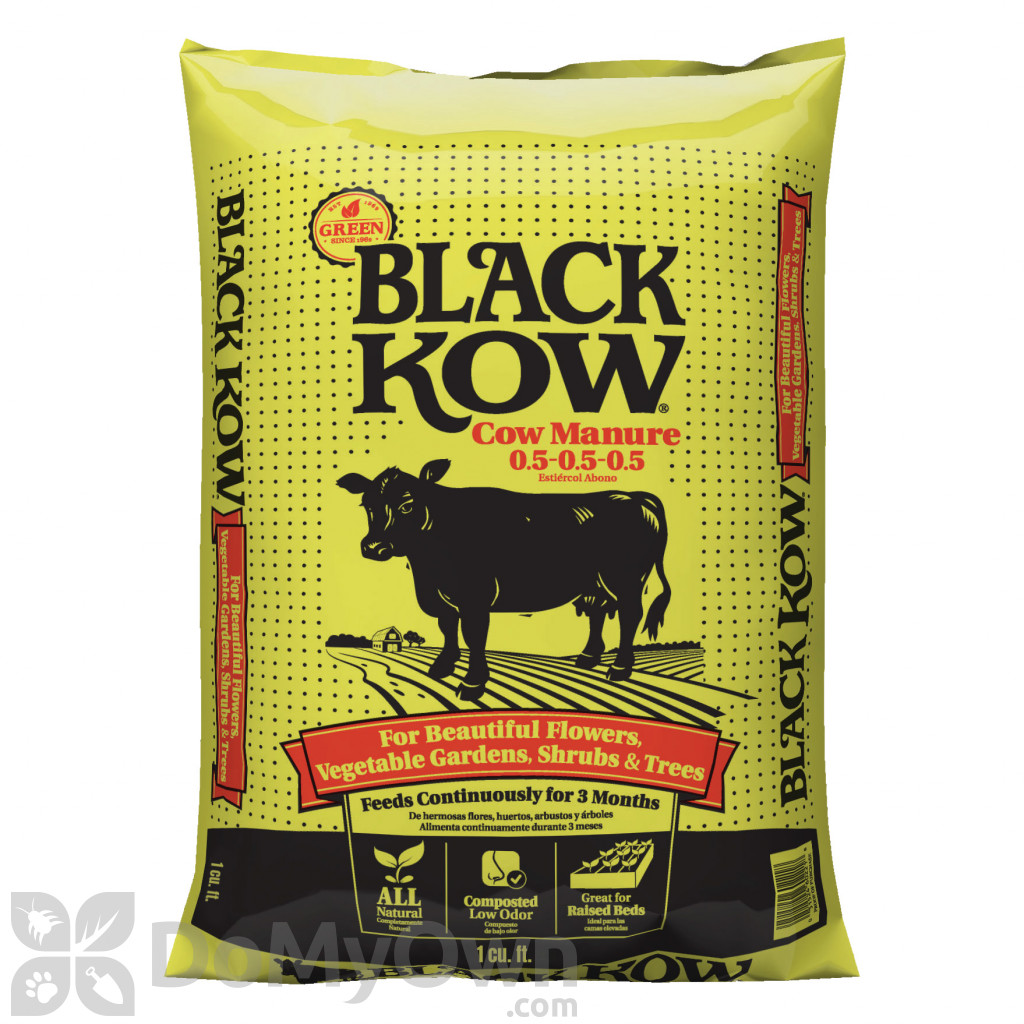
- Organic soil amendment to provide nutrients to your plants
- Comes in a 50 lb bag
- Black Composted Manure provides rich organic matter and nutrients to help condition your soil while retaining moisture and adding aeration that plants need to thrive
- Derived From: Cow Manure
- One 50 lb. bag covers 12 square feet
- Can be applied to vegetable gardens, deciduous and citrus trees, lawns, trees and shrubs, roses, butterfly gardens and flower beds
Soil Test Kit
>> See Soil Savvy Soil Test Kit <<
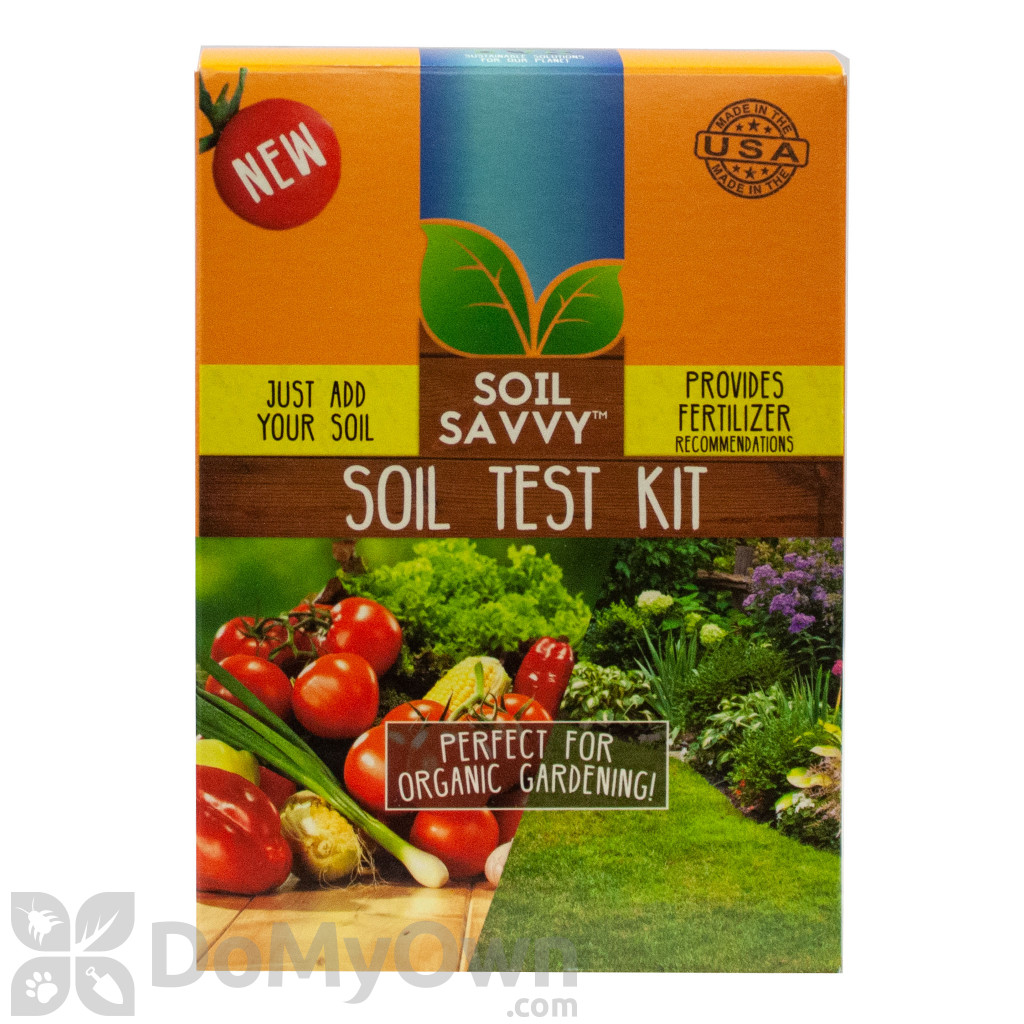
- Tests 14 nutrients: Nitrogen, Phosphorus, Potassium, Sulfur, Calcium, Magnesium, Sodium, Iron, Manganese, Boron, Copper, Zinc, Aluminum, and pH
- Test before you fertilize
- Take 3-6 samples from multiple locations, mix, mail in pre-paid envelope
- Results by email, with personalized fertilizer recommendations
Step 3 – Select The Right Variety
- Cherry tomatoes – fastest, easiest, best for containers, best for beginners
- Beefsteak tomatoes – large, need more space, more water, more support
- Roma / Plum tomatoes – best for sauce, less water, fewer diseases
- Determinate – grows to a fixed height, fruits all at once, good for containers
- Indeterminate – grows all season, needs staking, fruits until frost
- Choose a variety suited to your climate and to the type of tomato you want to eat
Tomato Seeds & Plants
>> See Tomato Seeds & Plants – Beefsteak, Cherry, Heirloom <<
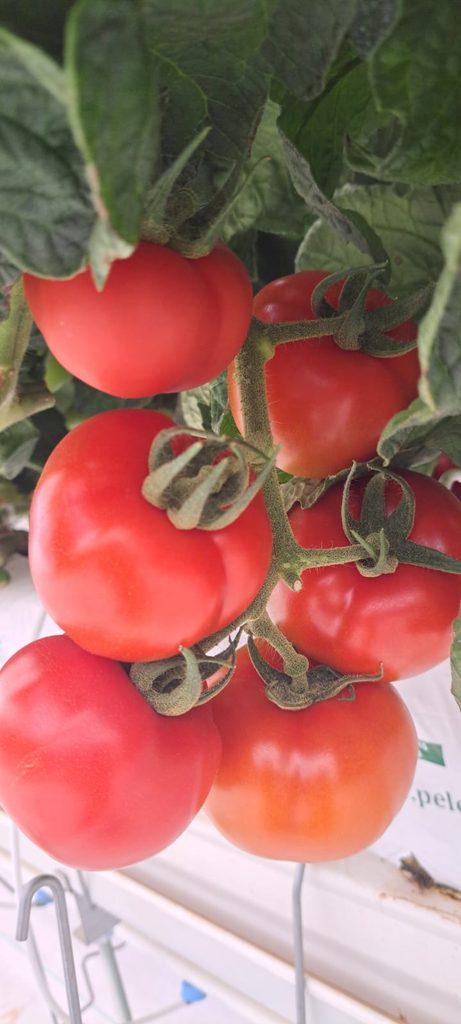
- Premium selection of tomato seeds and plants
- Beefsteak, Cherry, Heirloom varieties
- Sungold Hybrid, Super Sweet 100, Roma, Brandywine, San Marzano, Cherokee Purple, and more
- Seeds and garden-ready plants – choose seeds if you start indoors, plants if you want to plant now
- Best for: Beginners – start with Cherry tomatoes, fastest and easiest
- Best for: Sauce – Roma / San Marzano
- Best for: Slicing – Beefsteak / Brandywine
Step 4 – Plant Seeds Or Seedlings
- From seeds: Plant in seed-starting trays, keep in warm, bright place until they sprout
- From seedlings: Plant after all danger of frost has passed and soil has warmed
- Plant deep – bury 2/3 of the stem underground
- Tomatoes grow roots along the stem, deep planting = stronger roots
- Space plants 24-36 inches apart, rows 36-48 inches apart
- Water thoroughly right after planting
Step 5 – Water Regularly, Deep And Rare
- Tomatoes need to be kept consistently moist, not waterlogged
- Water deep at least once a week, more often in hot, dry weather
- Water at the base, not on leaves – wet leaves invite fungus
- Mulch 3-4 inches around plants, keep mulch 2 inches away from stem
- Inconsistent watering = blossom end rot, cracked fruit, yellow leaves
- Check soil at 4 inches – dry = water now, moist = wait
Step 6 – Fertilize And Stop Blossom End Rot
This is where most tomatoes fail.
Blossom end rot is not a disease. It’s calcium deficiency + inconsistent watering. Black sunken spot at the bottom of the fruit, opposite the stem.
Fertilizer – For Growth And Fruiting
>> See Espoma Tomato-Tone Plant Food <<
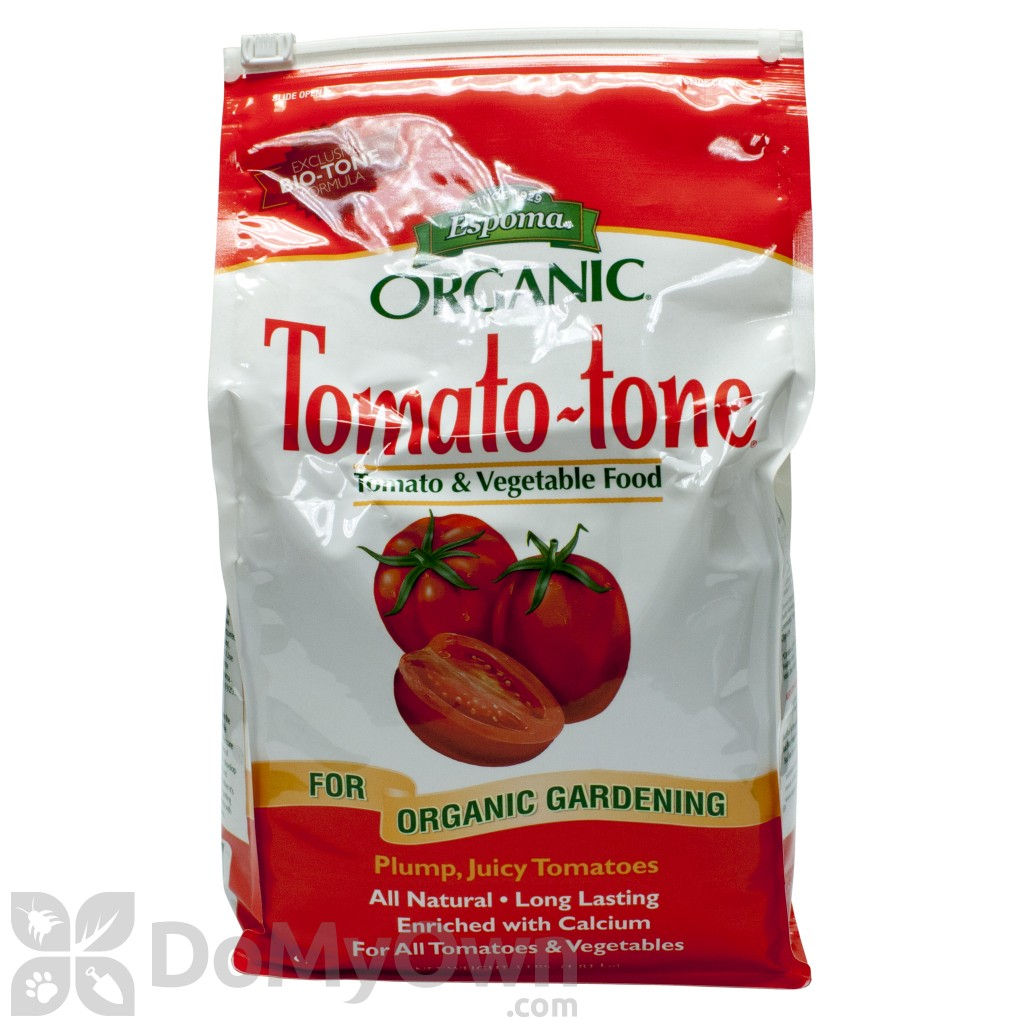
- All-natural and organic fertilizer, specially formulated for all tomatoes and vegetables
- 3-4-6 analysis
- Contains 100% natural and organic ingredients
- Apply every 4-6 weeks, when flowering and fruiting
- Water in thoroughly after application
Calcium – For Fast Fix When You Already See Black Spot
>> See Bonide Rot-Stop Tomato Blossom End Rot <<
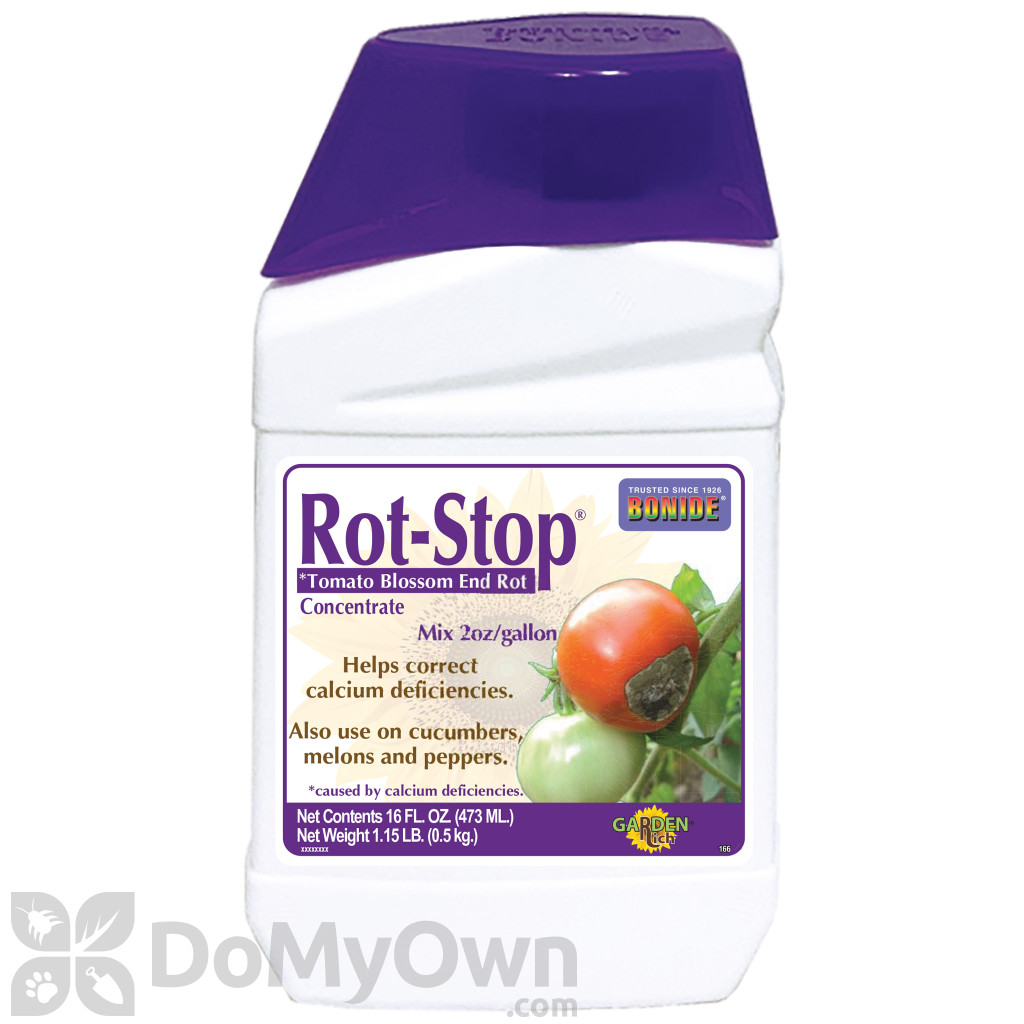
- Plant supplement that corrects calcium deficiency to control blossom end rot
- For tomatoes, cucumbers, melons, peppers, and other vegetables
- Apply as foliar spray – leaves absorb calcium immediately
- Use this if: You already see black spot at bottom of fruit
- Spray now, don’t wait – calcium moves slow in plant
Calcium – For Prevention, For Next Season
>> See Hi-Yield Calcium Nitrate <<
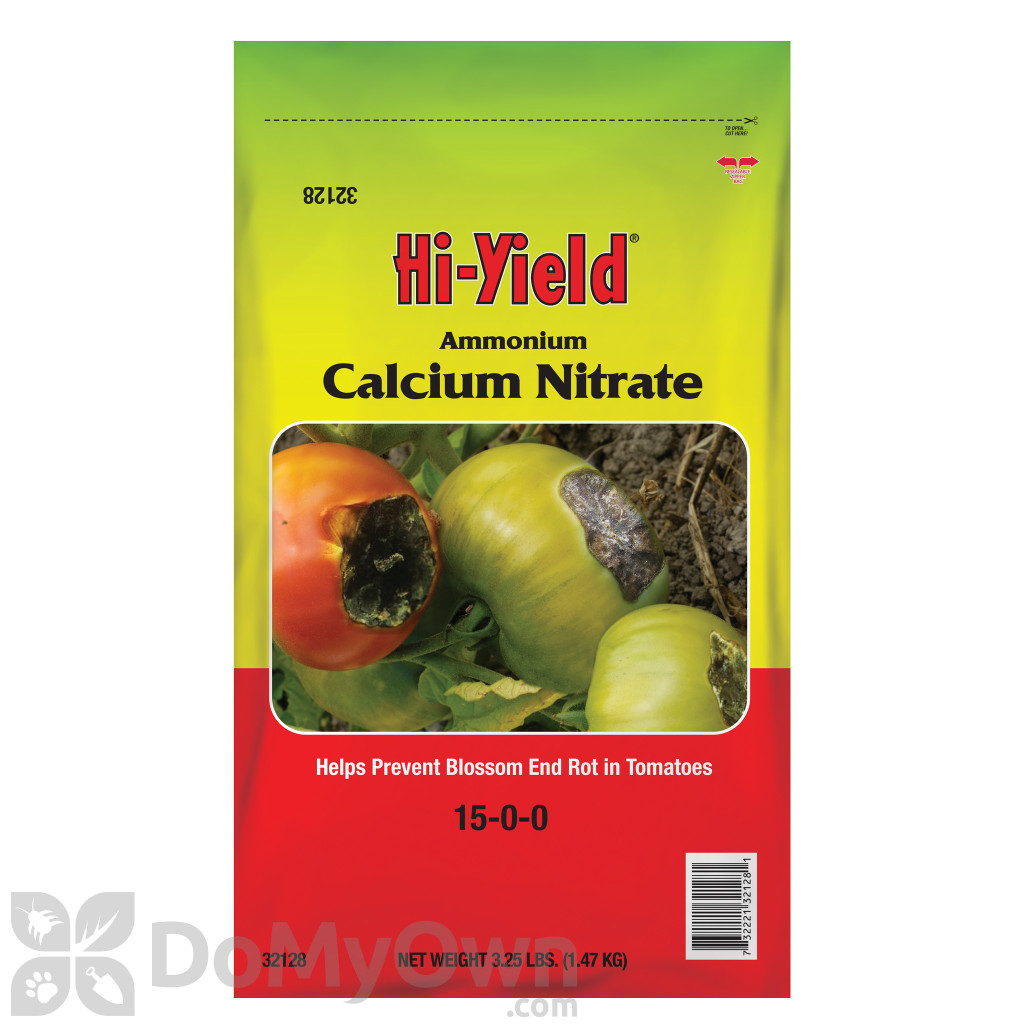
- Contains Calcium + Nitrogen
- Used primarily in vegetable gardens, particularly for Tomatoes and Peppers, in prevention of Blossom End Rot
- Apply to soil: 1 cup per 50 feet of row or 1 level teaspoon per each plant
- Use this if: You want to prevent blossom end rot next season, put in soil at planting
- Don’t over-apply nitrogen – too much nitrogen aggravates blossom end rot
Step 7 – Support, Prune, Harvest
Provide Support
- As plants grow, stake or cage to keep them upright
- Indeterminate tomatoes need tall cages, 6 feet or more
- Tie stems loosely, don’t cut into stem
- Supporting tomatoes keeps tomatoes off the ground, fruit cleaner, reduces bugs
- Place cage within 2 weeks of planting, as plants grow the cage will support them
XL Pro Series Cage – Green
>> See XL Pro Series Cage – Green <<
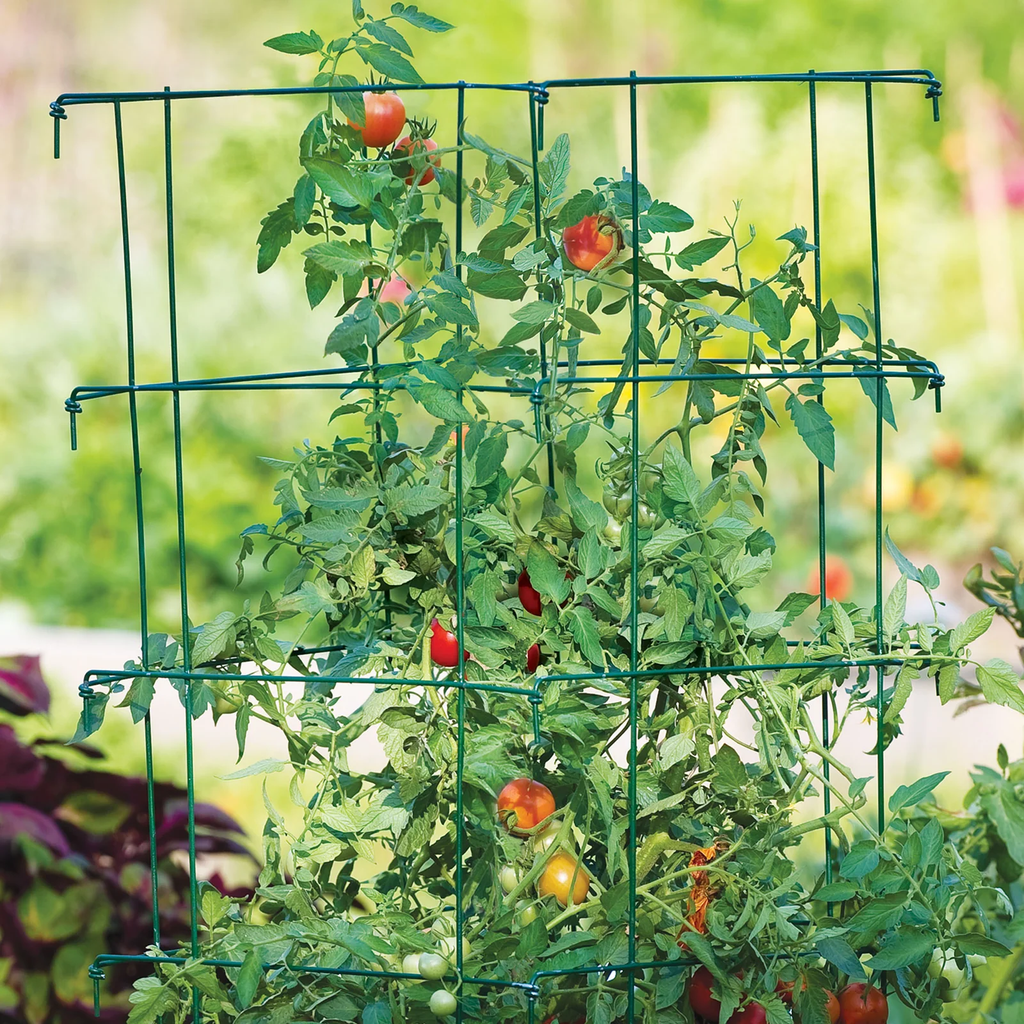
- Rust resistant 9-gauge galvanized steel wire
- Folds open to sturdy 18-inch square by 58-inch high support cage
- Eight 10-inch long prongs anchor the cage
- 48 inches of above-ground plant support
- Available with 24-inch extenders – 82-inch total height
- Best for: Indeterminate tomatoes, tall varieties, heavy fruit
- Keeps tomatoes off the ground, fruit cleaner, fewer bugs
Prune
- Tomatoes get bushy, prune regularly to keep under control
- Cut out suckers – shoots that grow from the base of the plant, between stem and branch
- Cut out yellow or diseased leaves immediately
- Pruning improves air flow, reduces fungus, bigger fruit
Harvest
- Tomatoes are ready when they have turned deep red and are slightly soft to the touch
- Pick gently, don’t pull hard
- Store at room temperature, out of direct sunlight
- Don’t store in fridge – cold kills flavor
FAQ
Why are my tomatoes black on the bottom?
Blossom end rot – calcium deficiency + inconsistent watering. Spray Bonide Rot-Stop now, water consistently, add calcium to soil next season.
Why are my tomato leaves yellow?
Most common: overwatering, or lack of nitrogen / iron. Check soil moisture first. If soil is wet, stop watering. If soil is dry, water deep, then fertilize.
How often should I water tomatoes?
Deep once a week in normal weather, 2-3 times per week in hot, dry weather. Always check soil at 4 inches before watering.
Should I prune tomato suckers?
Yes, for indeterminate varieties. For determinate varieties, don’t prune much – they fruit all at once.
When to plant tomatoes?
After all danger of frost has passed and soil has warmed. Cold soil stunts growth.
You might also like these articles:
- Tomato Pith Necrosis: Symptoms, Causes and How to Stop It from Spreading

- Tomato Diseases and Pests: How to Identify and Treat 20+ Common Problems
- How to Get Rid of Fusarium Wilt
- Late Blight on Tomatoes: How to Identify, Treat & Stop It Fast
- Tomato Leaf Mold: Yellow Spots on Leaves & Best Treatment Guide
- Powdery Mildew on Plants: Best Fungicide Spray Treatment
- Downy Mildew on Plants: Yellow Spots & Best Treatment Guide
- Gray Mold on Tomatoes & Strawberries: How to Control Botrytis Fast
- Septoria Leaf Spot on Tomatoes: Best Treatment & Copper Spray
- Early Blight on Tomatoes: Best Treatment for Alternaria Leaf Spot
- Bacterial Spot on Tomatoes and Peppers: Symptoms, Causes and Treatment