
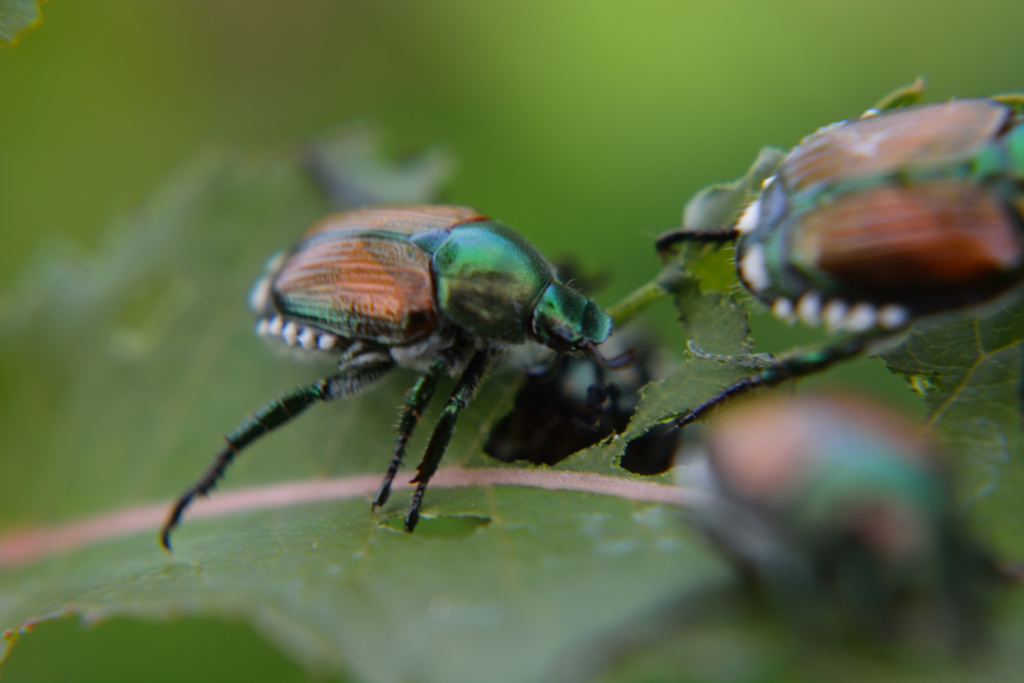
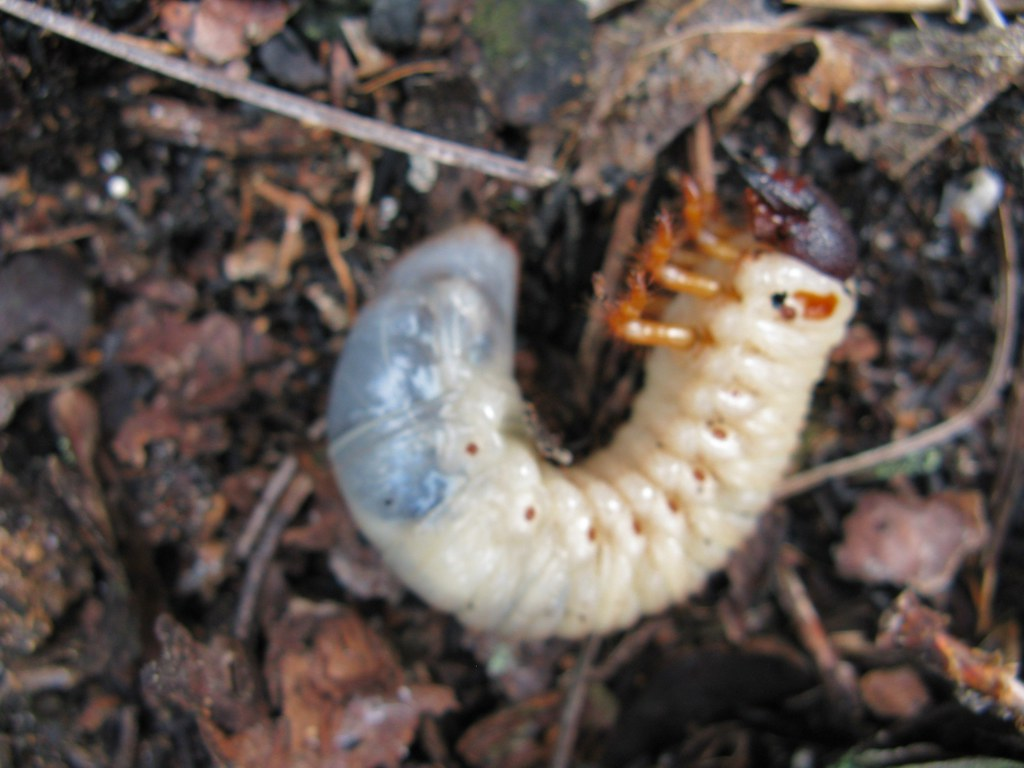
Japanese beetles and their larvae called grubs, can heavily damage gardens and lawns.
The grubs which were beetle eggs emerge from the ground as adult beetles.
The grubs feed on the plants roots causing substantial root damage and the adult beetles feed on plant foliage resulting in rapid defoliation and crop loss.
They are harmful to around 300 plants and trees, especially roses, beans, grapes and raspberry trees.
Among the damage they cause: holes scattered on the leaf as a result of gnawing and the appearance of brown patches of dead or dying grass.
Although the life of the Japanese beetle is about 40 days, it can cause damage to a large area of land.
Before dying, the beetle lays eggs in the ground for the next year.


Chemical control:
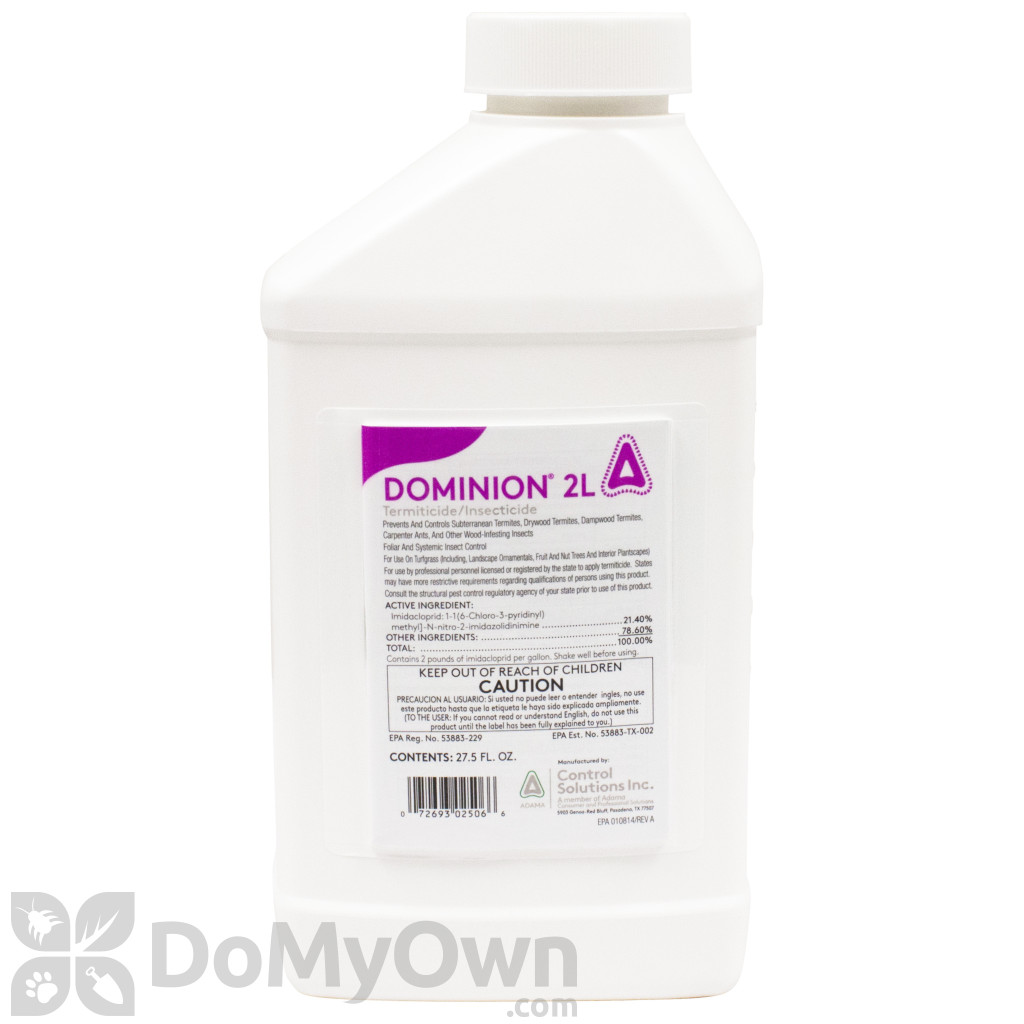
Imidacloprid
It can be sprayed on the plants using a backpack sprayer or added to the drip irrigation, in both cases it will find its way to the roots and to the leaves, there it will be consumed by the grubs and be eaten by the beetles.
It’s the only agent that can eliminate both beetles and grubs.
It’s a systemic insecticide that affects the central nervous system of insects.
It has been used in products sold in the United States since 1994.
Absorbed into the plant and distributed throughout its tissues, reaching the plant’s stem, leaves, roots, and any fruits or flowers.
It moves through the foliage to the roots of treated vegetation so grubs that feed on them will die.
This Insecticide is also a well-known solution against aphids.
Use before or after Fruit embalming or flower bloom since it is toxic to bees.
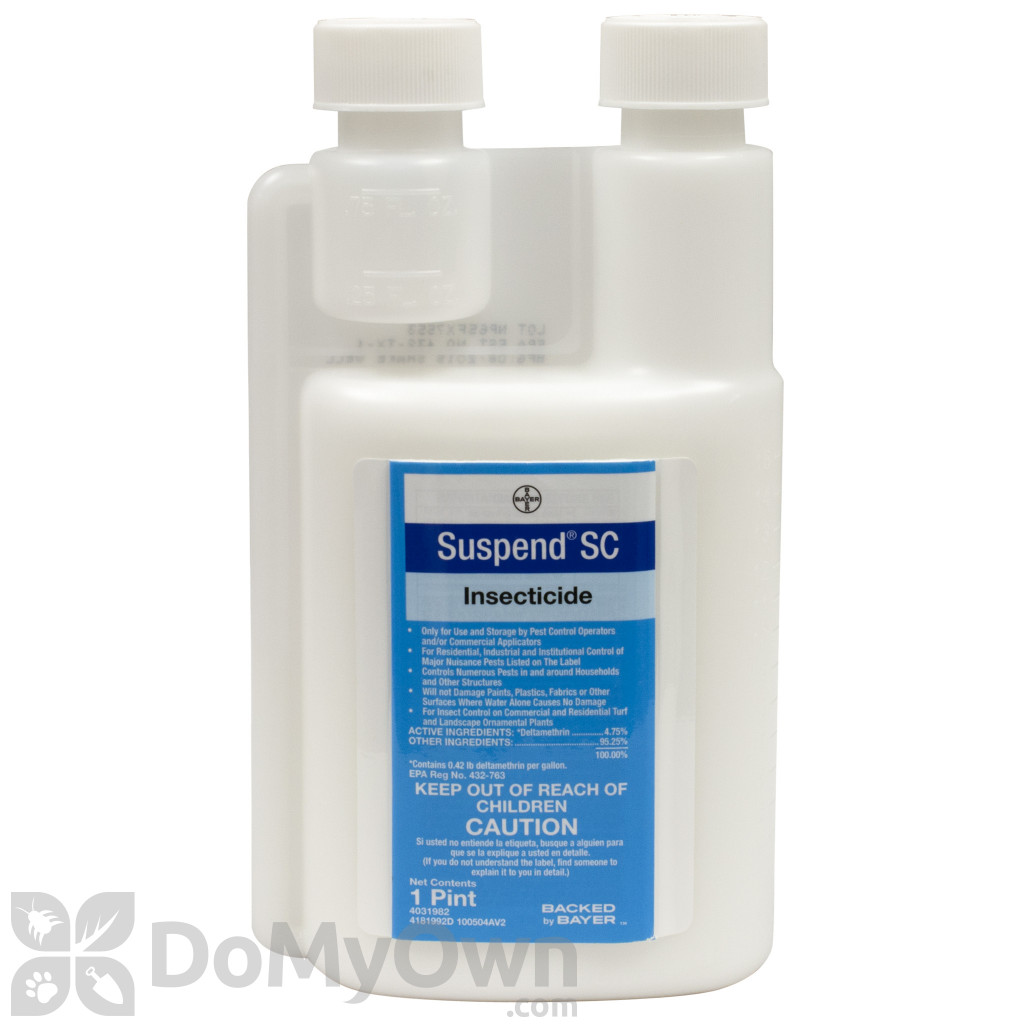
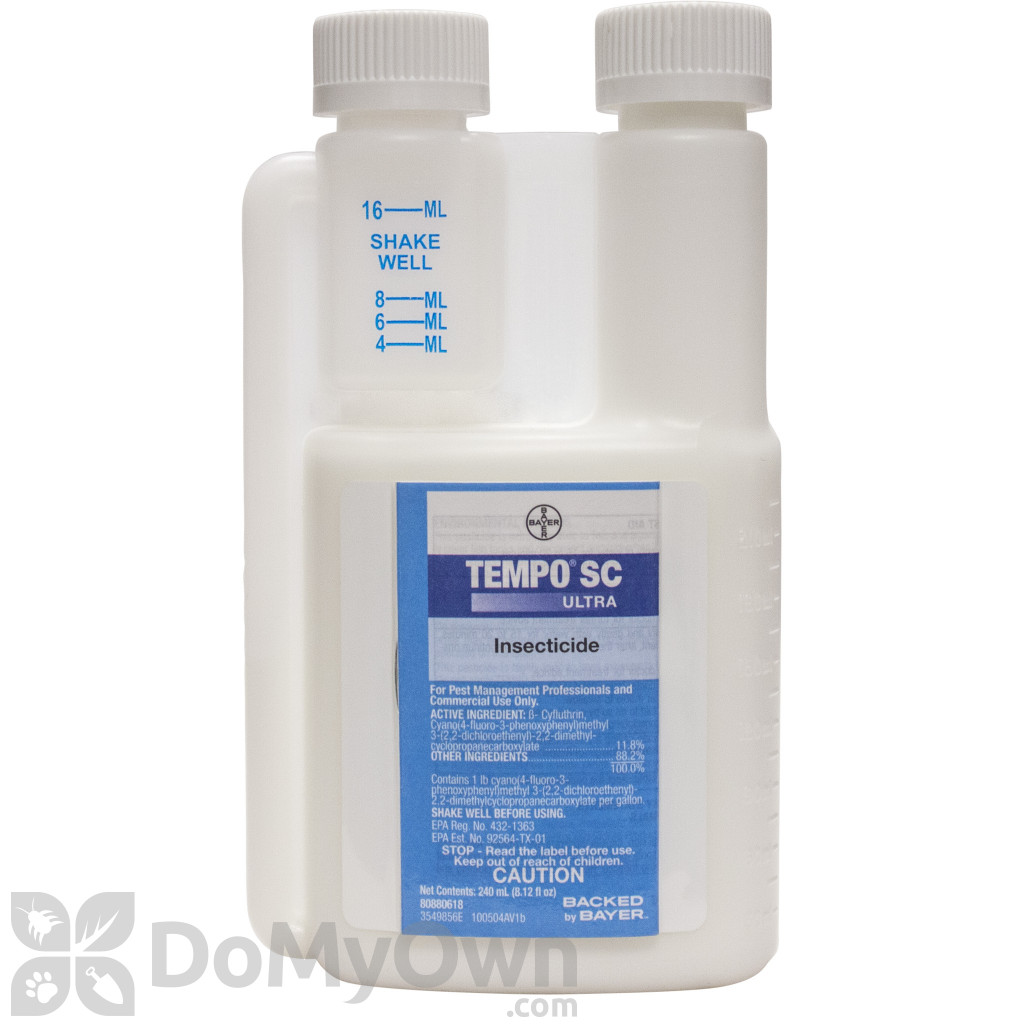
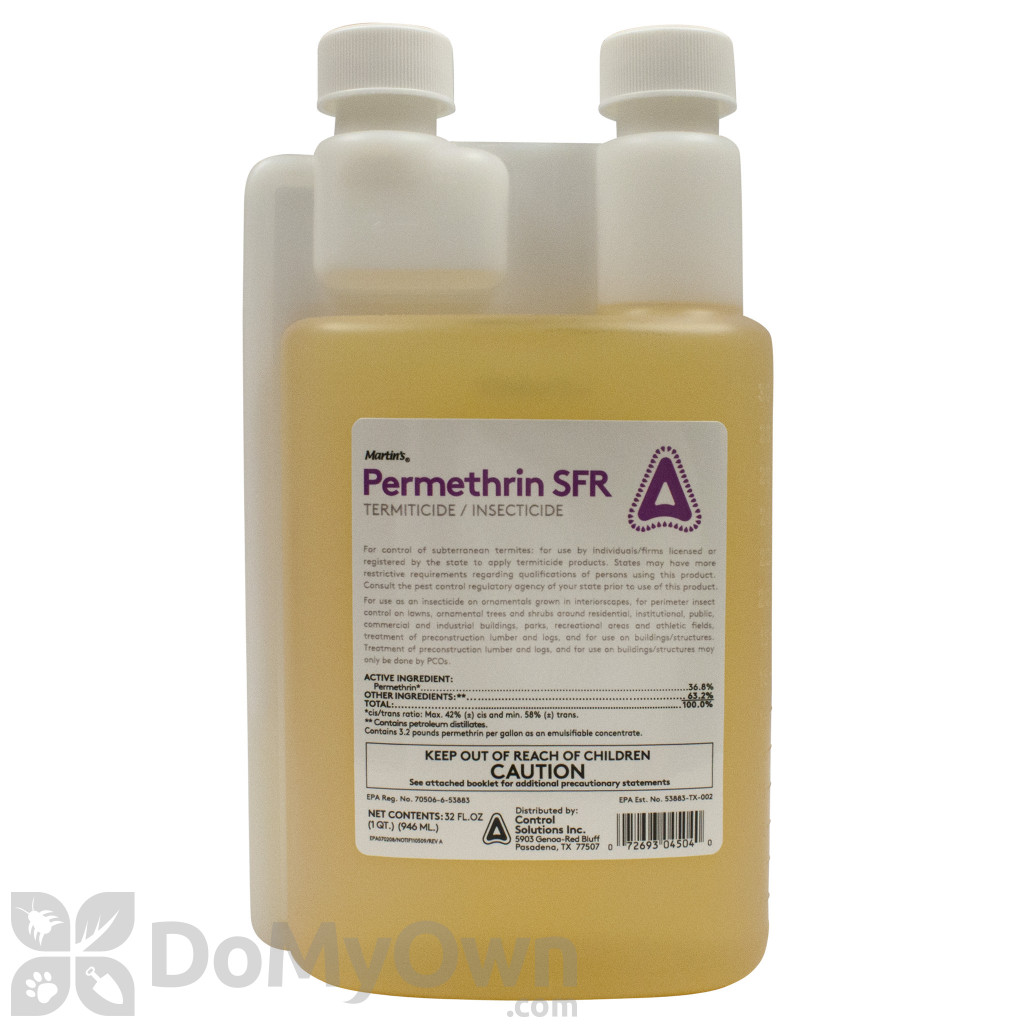
Bifenthrin
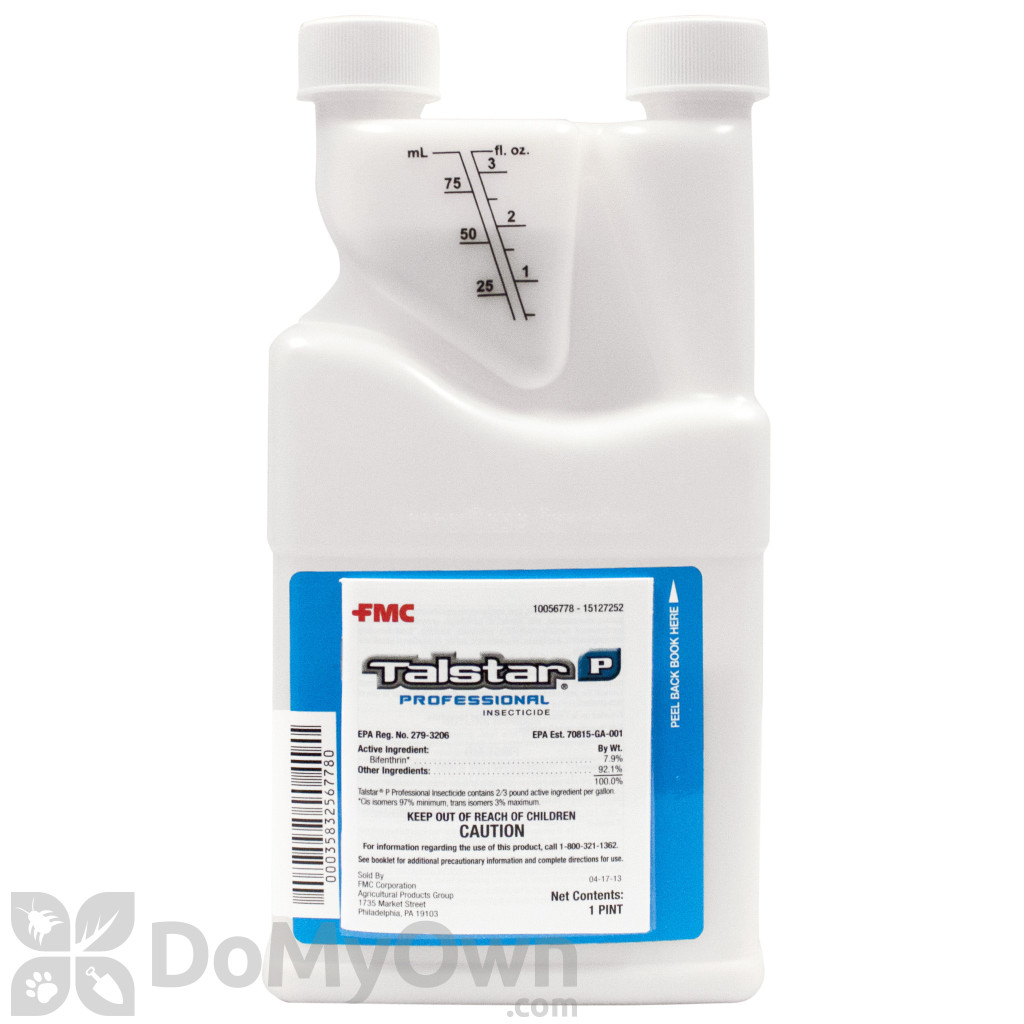
A trusted and widely-used insecticide, Bifenthrin is a pyrethroid insecticide.
It is widely used also against ants, aphids and caterpillars’ infestations on plants.
It is not a restricted chemical in the United States, and is sold for household use in low concentration.
It only affects the adult beetles and not the grubs, as it cannot reach the grubs underground.
Other pesticides against the Japanese beetle:
Organic control:
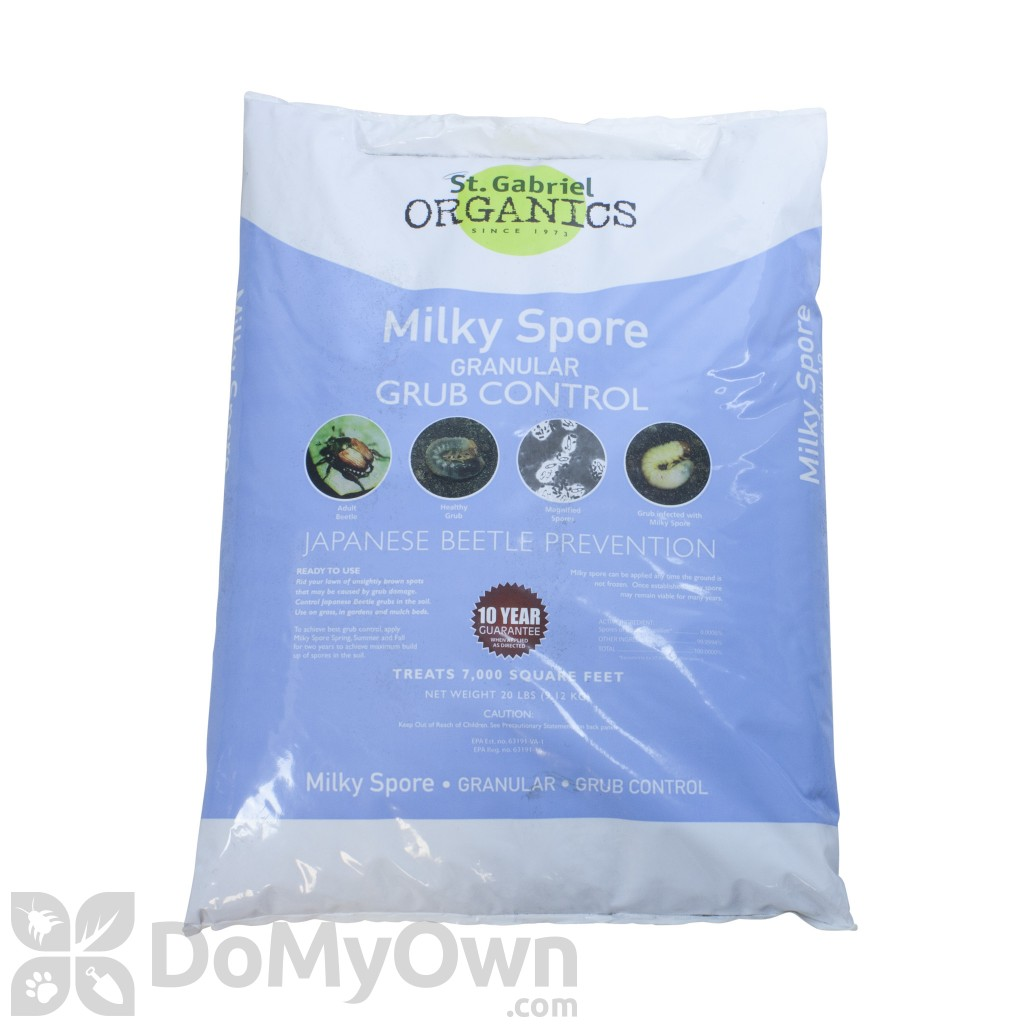
Bacillus Popilliae
Naturally occurring bacterium, that targets the Japanese beetle grubs, which eat it and die after 3 weeks.
The bacterium strains are established in the ground and can last a few years.
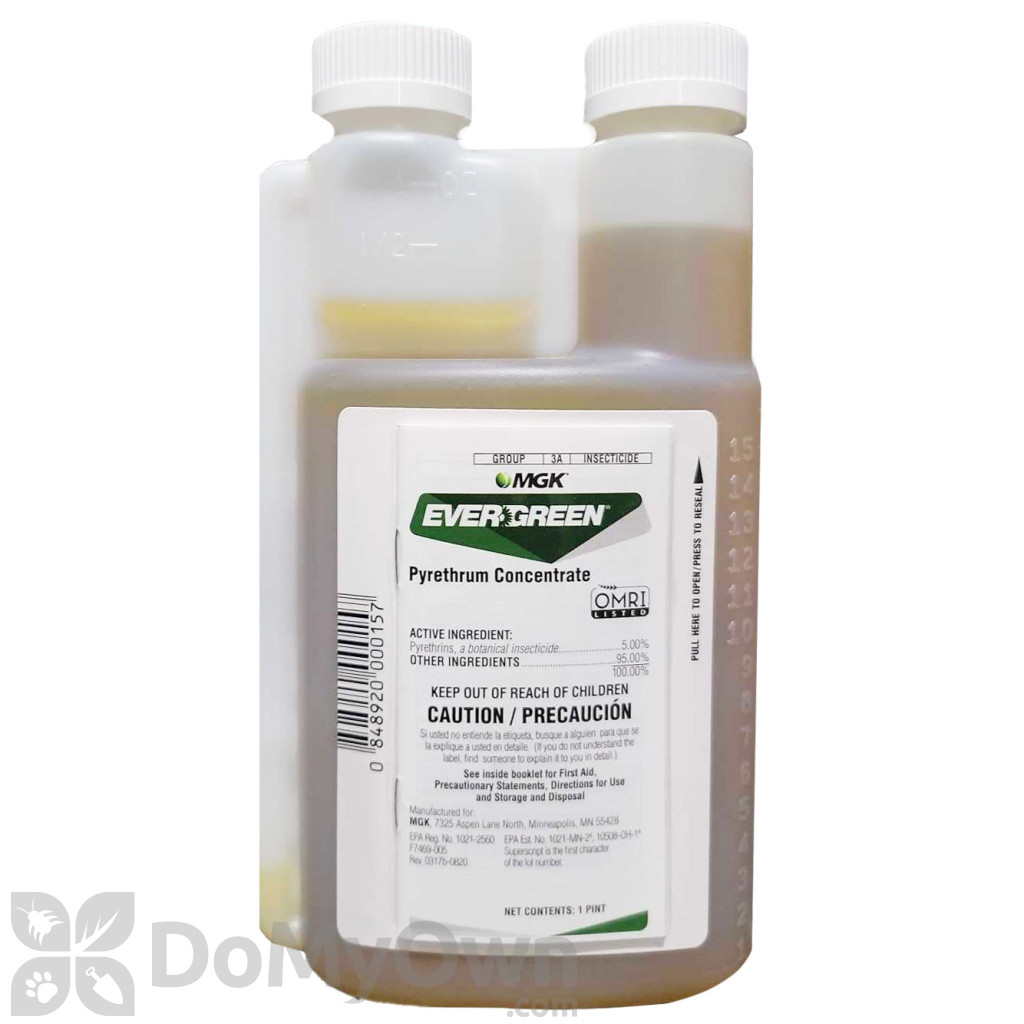
Pyrethrum
A collection of six esters, which are found in high concentrations within the achenes of the flower.
It targets insects’ nervous systems.
Pyrethrin induce excited behavior in the insect, which results in increased insect exposure to the pyrethrin and eventual death.
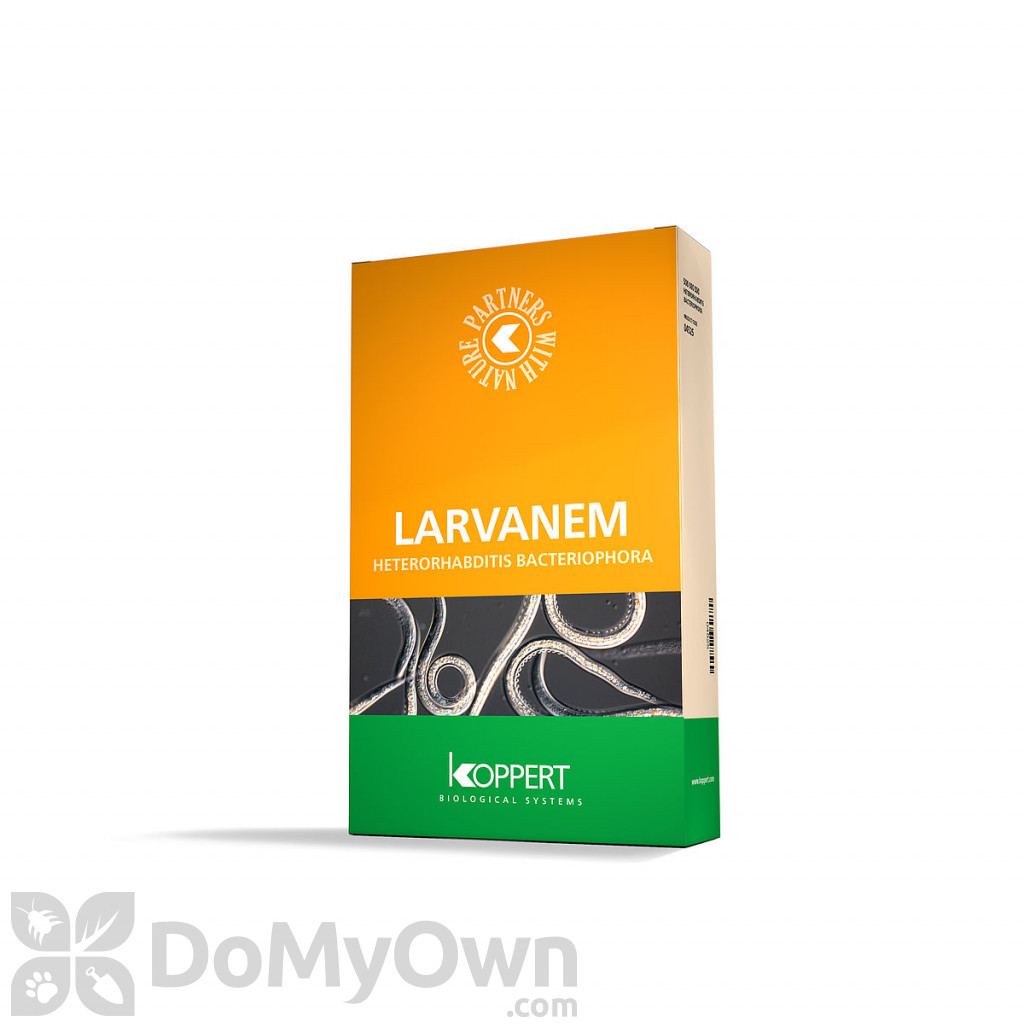
Beneficial nematodes: Heterorhabditis bacteriophora
Parasitic to the grubs, these nematodes will locate this larvae stage of the beetle, and enter its body in order to consume it.
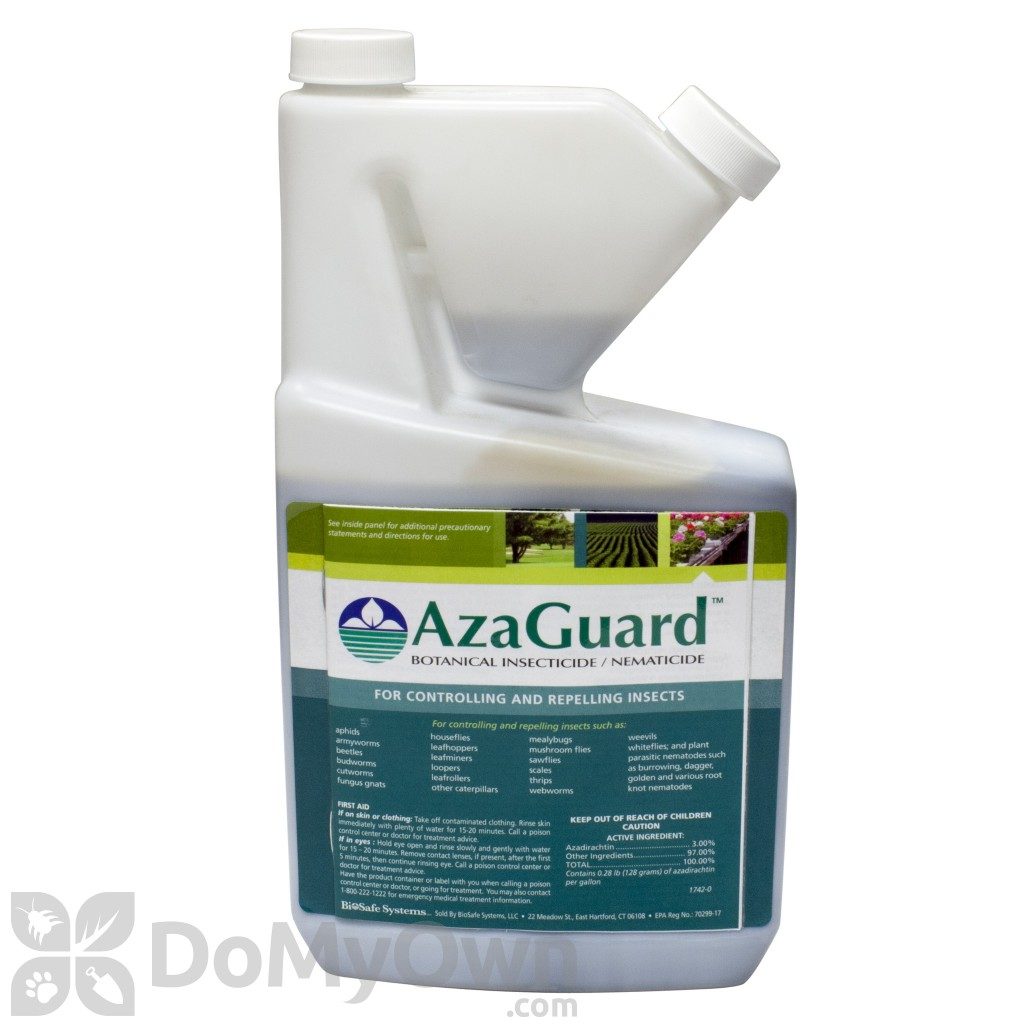
Azadirachtin
Extracted from the neem tree, it is the active ingredient here.
Insects are repelled by its taste and smell, and itis also work as a molting/growth disruptor.
This insect growth regulator (IGR) disrupts the life cycle between larval, pupal and nymphal stages.
You might also like these articles:
- Tomato Leafminer Tuta absoluta: How to Control It Organically

- Tomato Leaf Blight & Spot Diseases on Greenhouse Crops? How to Control Them with Copper Fungicide & Neem Oil
- Thrips on Tomatoes and Onions? How to Identify and Control Them
- Systemic Pesticides for Tomatoes & Vegetables? Best Systemic Insecticide for Aphids, Whiteflies, Mealybugs – Long Lasting
- Sweet Success: A Guide to Growing Juicy Strawberries in Your Garden
- Spider Mites on Tomatoes and Cucumbers? How to Control Them
- Slugs & Snails Eating Garden Vegetables & Fruits? How to Control Them with Iron Phosphate & Metaldehyde
- Safety in spraying
- Rats & Mice Invading Homes & Businesses? How to Control Them with Snap Traps & Anticoagulant Rodenticides
- Pre spraying stages
- Pith Necrosis & Brown Lesions on Tomatoes? How to Control Them with Copper Hydroxide
- Physiological Fruit Cracking & Sunscald on Vegetables & Tomatoes? How to Control Them with Liquid Calcium Fertilizer & Shade Cloth


