July 16, 2026
How to Sanitize Garden Soil Before Planting: Best Methods & Disinfectants
Short answer: The easiest way to sanitize garden soil at home is with bleach (sodium hypochlorite) or solarization. Bleach works in a few hours for pots and raised beds. Solarization takes 4-6 weeks but is chemical-free and best for large garden beds.
In this guide, you will learn 4 proven methods, which one fits your soil, how long to wait before planting, and what NOT to do.
Quick Comparison:
| Method | Best For | Time Needed | For Home Gardeners? |
|---|---|---|---|
| Bleach / Sodium Hypochlorite | Pots, raised beds | Few hours | Yes |
| Solarization | Large garden beds | 4-6 weeks | Yes |
| Metam Sodium | Commercial / large fields | 3 weeks | Licensed applicators only |
| Formaldehyde | Bacteria & viruses | 2 weeks | Licensed applicators only |
Why Sanitize Your Soil?
Every soil contains pathogens – fungi, bacteria, and viruses. Most of the time they are in balance. But after a diseased crop, after damping-off, root rot, or vascular wilt, the pathogen load is too high for young seedlings to survive.
Sanitizing does not sterilize the soil completely. It reduces the pathogens to a level where seedlings can grow strong.
Sanitize your soil if you had:
- Damping-off in seedlings
- Fusarium or Verticillium wilt
- Root rot
- Repeated crop failure in the same bed
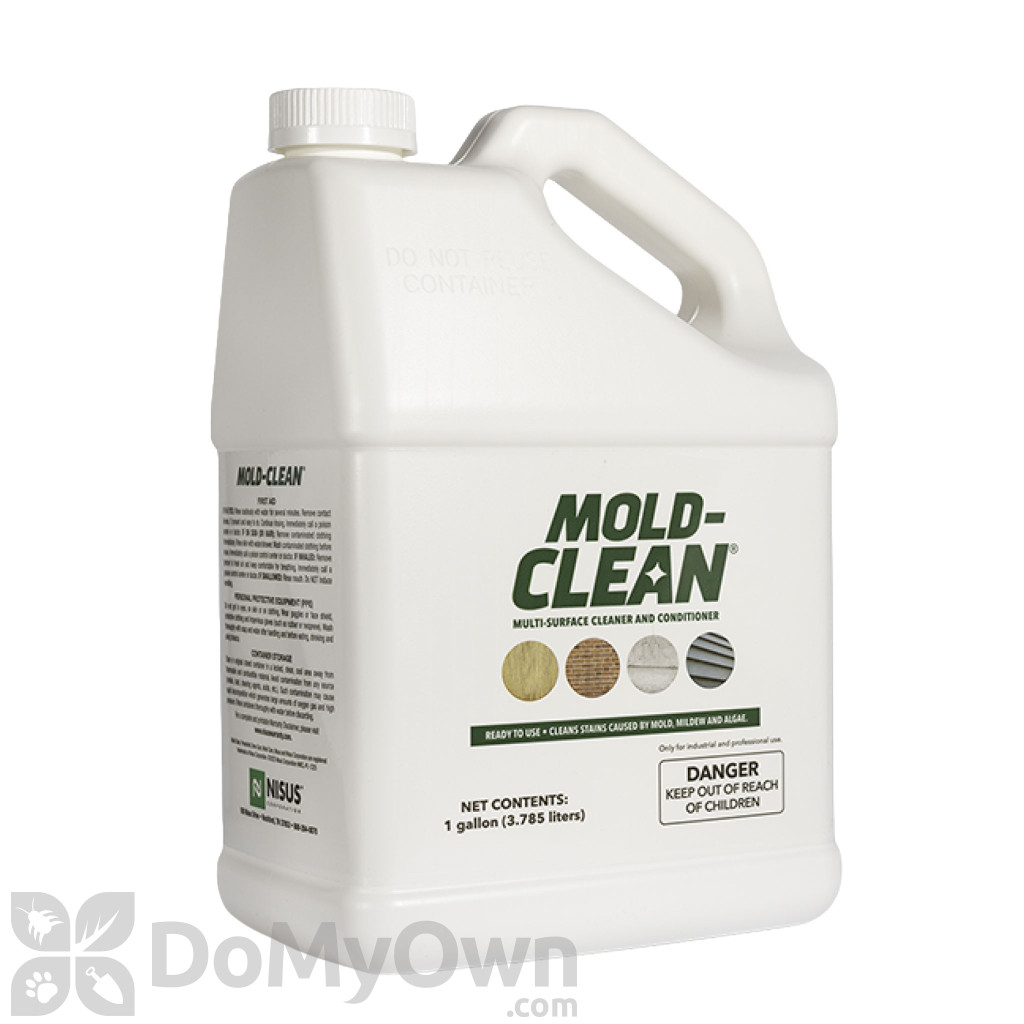
Bleach Method (Sodium Hypochlorite) – Best for Home Gardeners
Best for pots, raised beds, perlite, vermiculite, coconut coir, rockwool, and peat moss.
How to do it:
- Clean the media from dust and organic debris with clean water.
- Mix 1 liter of regular household bleach (5%, unscented) with 2 liters of water. This gives you a 1% solution (10,000 ppm).
- Soak the media completely until it is fully wet. Leave it for a few hours or up to a day.
- Wash with clean water or let the chlorine evaporate.
For large soil beds: You don’t need to wash all the soil. Wash only each planting pit with 150-200ml of solution. This protects the young seedling where it matters most.
Safety: Work outside or in a ventilated area. Wear gloves. Do not mix bleach with ammonia or vinegar.

What You Need:
Solarization – Best Chemical-Free Method
Best for vegetables, spices, and annual flowers in hot climates. Works best in California, Texas, Florida, Arizona, and Georgia in summer. In northern states, use only in July-August and allow 6 weeks.
How to do it:
- Clean the bed from the previous crop, cultivate, and add compost.
- Water the soil to field capacity.
- Cover with a transparent polyethylene sheet. Keep it sealed and intact.
- Leave for at least 4 weeks during the hot months when radiation is high.
- Irrigate weekly through drip – about 1m3 of water per 1000m2 per day – to keep moisture.
Solarization kills fungi (Sclerotinia, Pythium, Fusarium), bacteria, viruses, free-living nematodes, and annual weed seeds in the top 10-15 cm of soil, where temperatures reach 50-60°C. It is less effective in deeper layers where temperatures are lower.
What plastic to use: Use clear, transparent polyethylene, 25-30 micron (1 mil) for home gardens. You can find it at any local hardware store – Home Depot, Lowe’s, or your local garden center. Do not use black plastic, and do not use thick 6 mil greenhouse plastic – it blocks too much heat.
What You Need:
- Clear Polyethylene Sheet 1 Mil (25 Micron) for Solarization
- For large fields: Clear Polyethylene Sheet 1.5-2 Mil (40-50 Micron)
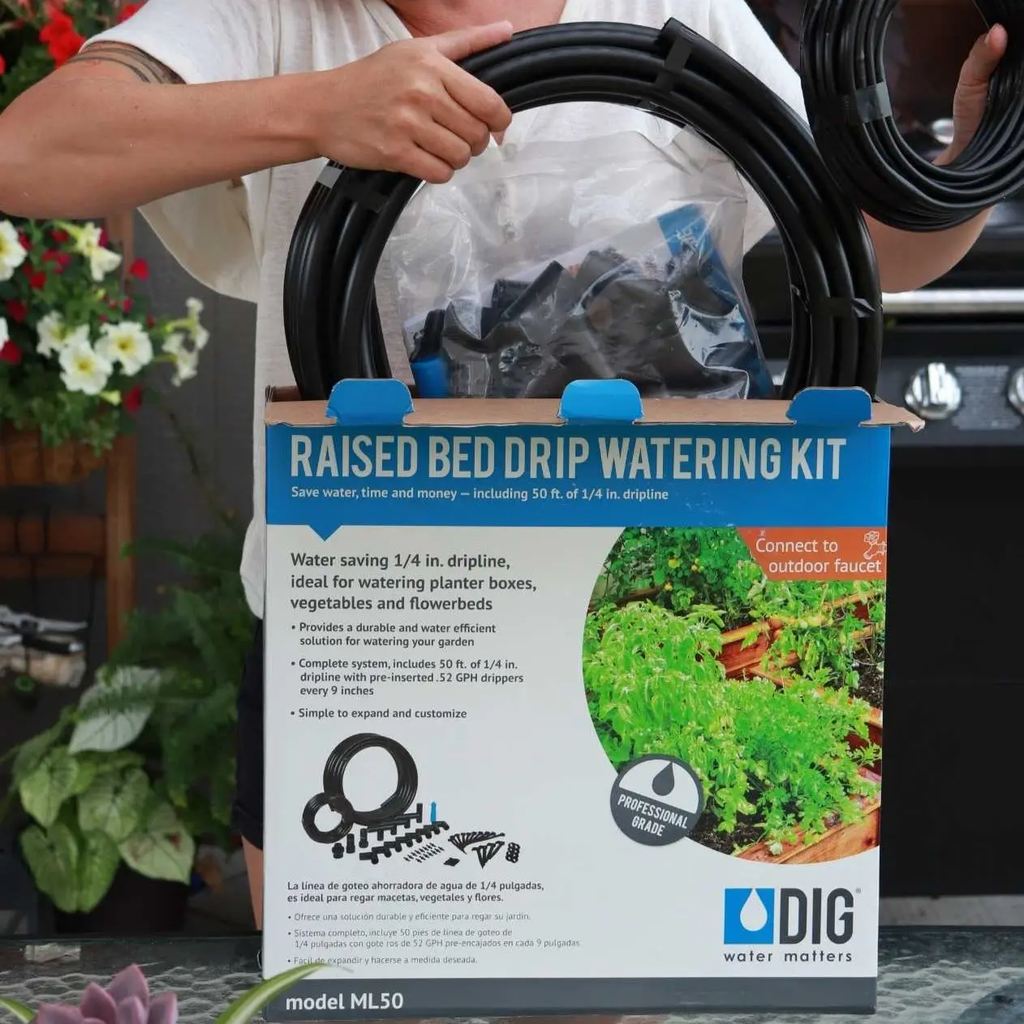
- Drip Irrigation Kit – Install the drip lines BEFORE you cover with plastic. Water through the drip once a week to keep the soil moist during solarization, without opening the plastic.
Metam Sodium – For Commercial Fields Only
A broad-spectrum pre-plant soil fumigant for weeds, fungi, and soil insects. Registered since 1954. For licensed applicators only in the US. Not available for home gardeners.
How to do it:
- Water the soil to 30 cm depth. This chemical only works in wet soil.
- Apply 4-6L per 100m2 through the drip system under a 40-micron polyethylene cover, in summer only, when no crop is in the soil.
- Use at least two drip lines per bed.
- After 3 days, remove the nylon and irrigate for 5 days.
- Wait 3 weeks before planting.
Important: Open all drip pipe ends and flush with water to remove toxic residues. Before planting the full crop, plant a few lettuce plants as a test. If they grow well and roots look healthy, the soil is safe.
4. Formaldehyde – For Bacteria and Viruses Only
Use only when you have bacterial contamination like Clavibacter in tomato, Xanthomonas in pepper, or viruses like TMV in tomato or CGMMV in cucumber. For licensed applicators only.
Apply 7L per 100m2 through drip under nylon. It kills bacteria, viruses, and fungus spores, but it is very dangerous to work with. Use only with professional protective equipment and local regulations.
How Long to Wait Before Planting?
- Bleach: Plant the same day after washing, or after 1 day.
- Solarization: Plant immediately after removing the nylon.
- Metam Sodium: Wait 3 weeks + lettuce test.
- Formaldehyde: Wait at least 2 weeks and test with lettuce.
After Sanitizing – Restore Your Soil
Sanitizing kills bad microbes but also good ones.
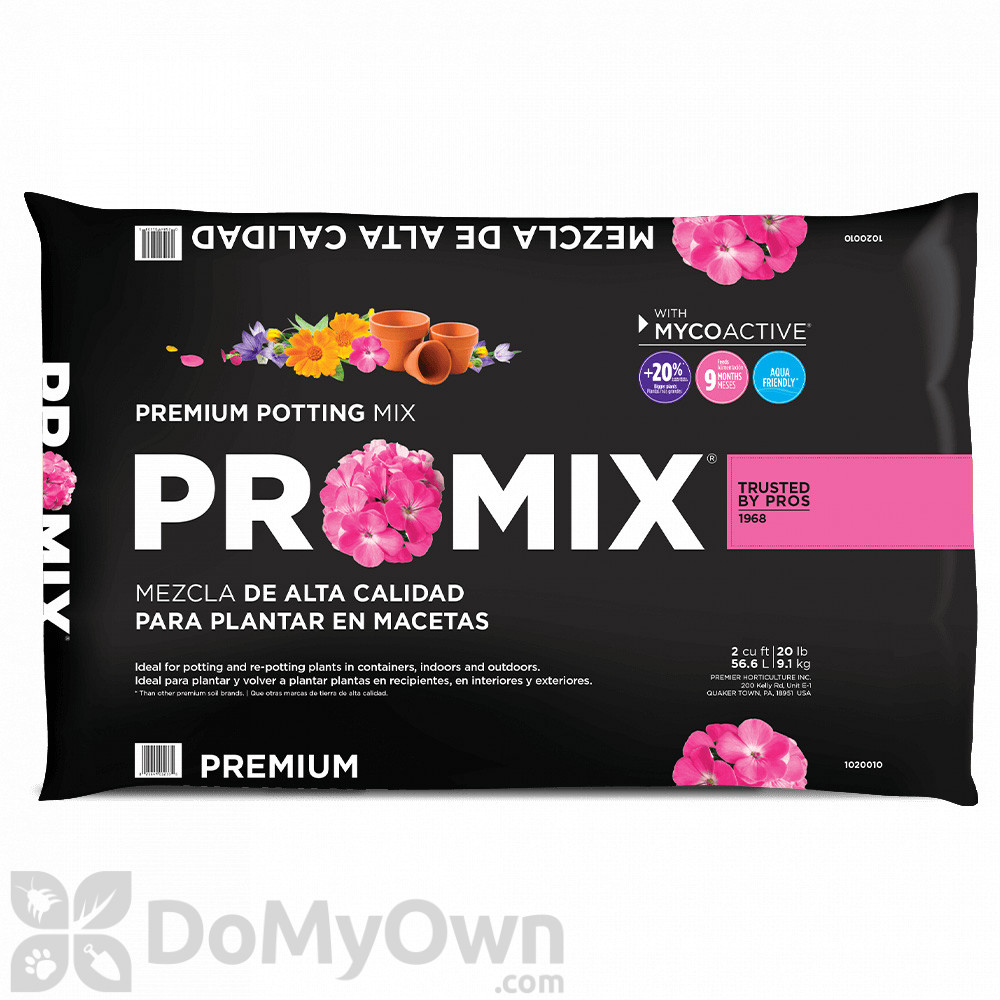
Pro Tip After Sanitizing: The soil is now empty – no competition. This is the perfect time to add Mycorrhizae. Mix PRO-MIX HP with Mycorrhizae into the planting hole, right where the roots will touch it, and plant the same day. The Mycorrhizae needs a living root to grow – without a plant, it will stay dormant and will not multiply.
- Add fresh compost from your local garden center to restore beneficial microbes. Do not plant in sanitized soil without adding compost first – the soil is clean but empty.
- Mycorrhizae – Beneficial Microbes – Fresh Potting Mix with Mycorrhizae
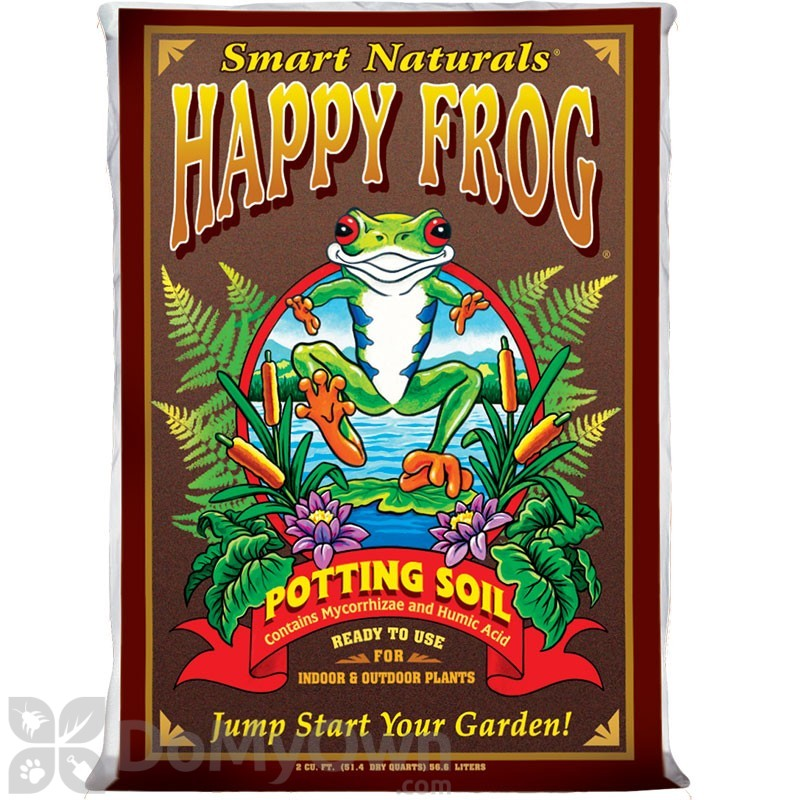
- OR Organic Fertilizer with Mycorrhizae
Common Mistakes to Avoid
- Applying fumigant to dry soil – It will not work. Always water to 30 cm first.
- Planting too early – Toxic residues will kill your seedlings. Always do the lettuce test.
- Using solarization in winter – Radiation is too low. It only works in hot months.
- Mixing bleach with other chemicals – Never mix bleach with ammonia or vinegar.
Have Root-Knot Nematodes?
That’s a different problem. Soil sanitizing won’t kill root-knot nematodes. Read our full guide: [How to Get Rid of Root-Knot Nematodes]
FAQ
Can I sanitize soil by baking it in the oven?
Yes, for small amounts. Bake moist soil at 180°F / 82°C for 30 minutes. This works for potting soil, but not for large beds. It will smell, so ventilate well.
Can I use boiling water to sanitize soil?
Yes, for small pots and planting pits. Pour boiling water slowly until the soil is fully soaked. It kills most fungi and bacteria.
Can I reuse old potting soil?
Yes, if you sanitize it first with bleach or baking. Remove old roots and debris first. Add fresh compost after sanitizing to restore beneficial microbes.
Does sanitizing kill beneficial microbes too?
Yes, partially. That is why you should add compost or beneficial microbes after sanitizing, before planting.
How often should I sanitize my garden soil?
Only when you have a disease problem. Do not sanitize every season. Healthy soil with good rotation and compost does not need sanitizing.
You Might Also Like these articles:
- Bacterial Spot on Tomatoes and Peppers: Symptoms, Causes and Treatment

- Beneficial Insects for Vegetable Garden: Best Bugs for Natural Pest Control
- Benefits of Growing in a Greenhouse: Is It Worth It for Home Gardeners?
- Best Pesticides for Vegetable Plants: Compare Products by Pest & Disease
- Blower Sprayers for Garden Pest Control: Better Coverage Than Backpack Sprayers
- Caterpillars on Tomatoes & Cabbage: How to Control Them Organically with BT Spray
- Fusarium Wilt on Tomatoes: Signs, Prevention & Best Treatment Guide
- Gray Mold on Tomatoes & Strawberries: How to Control Botrytis Fast
- How to Combat Pests During Growing Season: The Importance of Using Multiple Pesticides to Prevent Resistance and Maximize Yield
- How to differentiate between pesticides
- How to find your pesticide in a store
- How to Get Rid of Ants: Home Remedies, Gel Baits, Sprays and Granules