Potassium is important for maintaining overall mechanical strength in the plant, it accumulates in the fruit and has a significant effect on its size and quality, especially from aspects of taste and shelf life.
For example, a potassium-free tomato fruit will be soft and have a floury texture.
Lack of potassium will impair crop and quality.
Potassium-free plants tend to be vulnerable to root diseases.
Potassium also helps plants resist diseases.
Potassium is responsible for the action of the stomata in the plant.
Through the stomata the plant receives and emits oxygen, carbon dioxide, and water are transferred through them.
The plant is able to cool itself through them and they are important supporters in the process of photosynthesis and the transport of additional substances between parts of the plant.
Potassium deficiency:
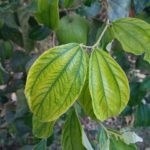
A deficiency will appear first of all in the adult leaves, at their margins, a kind of chlorosis (yellowing) mottled from the margin’s inwards.
Less noticeable signs of deficiency include softening of the fruits.
The new leaves will come out smaller.
Potassium Excess:
Hardly ever.
Unlike nitrogen, absorption of excess potassium will not harm the plant.
Roots have priority in the absorption of potassium and in high concentrations, (more than 300ppm) it can prevent with the absorption of other nutrients such as calcium (Ca) and magnesium (Mg).
When testing the runoff/ soil water sampler solution, a concentration of 300ppm potassium is too high, and washing the soil with clean water is advised.
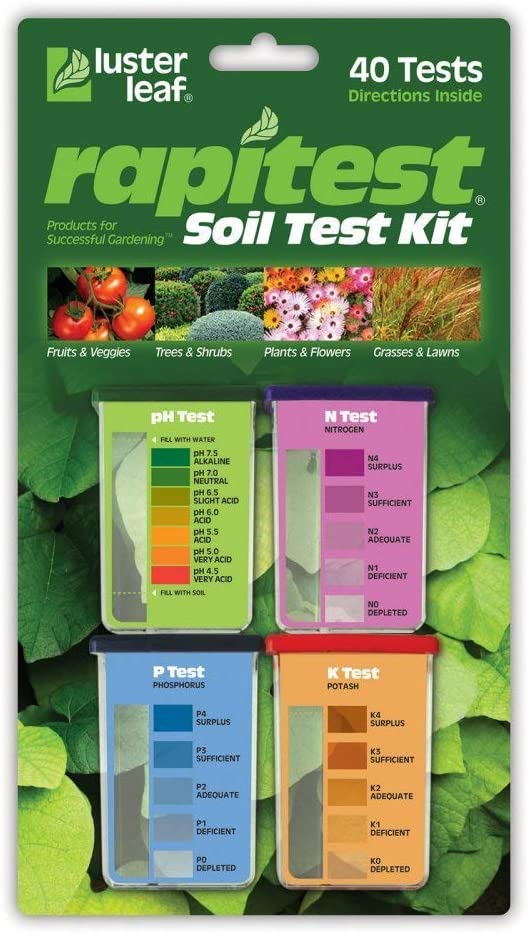
If you don’t find any traces of potassium in the soil, or a low level, with the test kit, you should start adding potassium fertilizer.


You Might Also Like these articles:
- Soilless Greenhouse Irrigation & Fertigation Management: The Complete Monitoring Guide to EC, pH, Nitrate & Drainage for Tomatoes, Peppers & Cucumbers
- Managing Soil-Borne Diseases in Greenhouses:
- Best Slow Release Fertilizer for Trees and Shrubs: Spikes vs Granular

- Yellow Leaves on Plants? Iron, Zinc and Micronutrient Deficiencies Explained
- Blossom End Rot on Tomatoes and Peppers? Calcium, Magnesium & Sulfur Guide
- Potassium for Plants: Deficiency Signs and When to Fertilize Tomatoes
- Phosphorus for Plants: Deficiency Signs and Bloom Booster Fertilizer
- Nitrogen Deficiency on Tomatoes: Yellow Lower Leaves and Slow Growth
- EC Meter for Hydroponics: How to Measure Nutrient Strength Correctly
- Soil pH for Tomatoes: How to Measure, Fix It, and Why It Matters
- How to Fertilize Tomatoes and Vegetables: Schedule and Best Fertilizer
- Overwatering Tomatoes? How to Use a Soil Moisture Meter Correctly