
Short answer: The best slow-release fertilizer for most trees and shrubs is a granular fertilizer you spread around the drip line. Granular feeds for 2-3 months. Water-soluble feeds fast but you need to apply every 7-10 days.
Don’t use fast-release liquid fertilizer on trees. It washes away in one rain. Slow-release feeds for months.
Top 3 Picks – Quick Table
| Pick | Best For | Type |
|---|---|---|
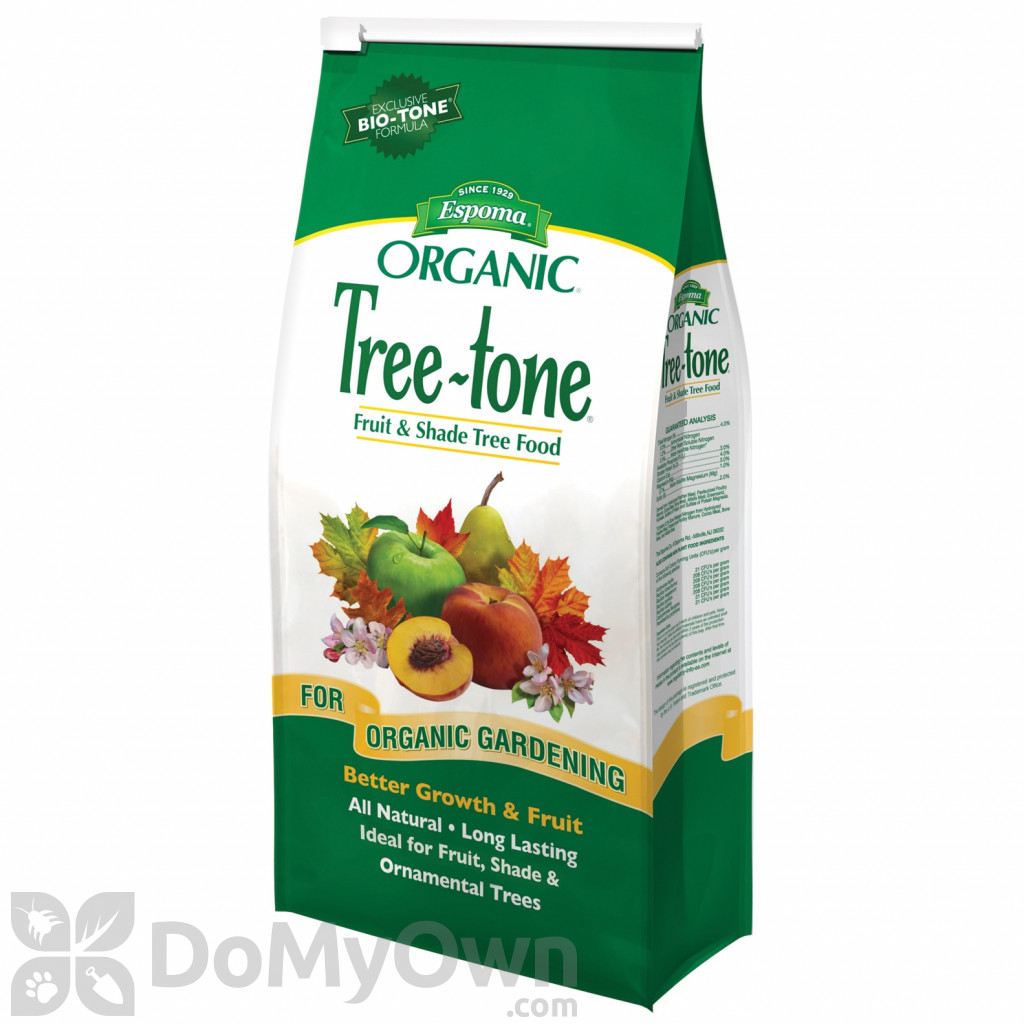
| Espoma Tree-tone 6-3-2 | Best Overall – All Trees, Organic | Granular Organic |
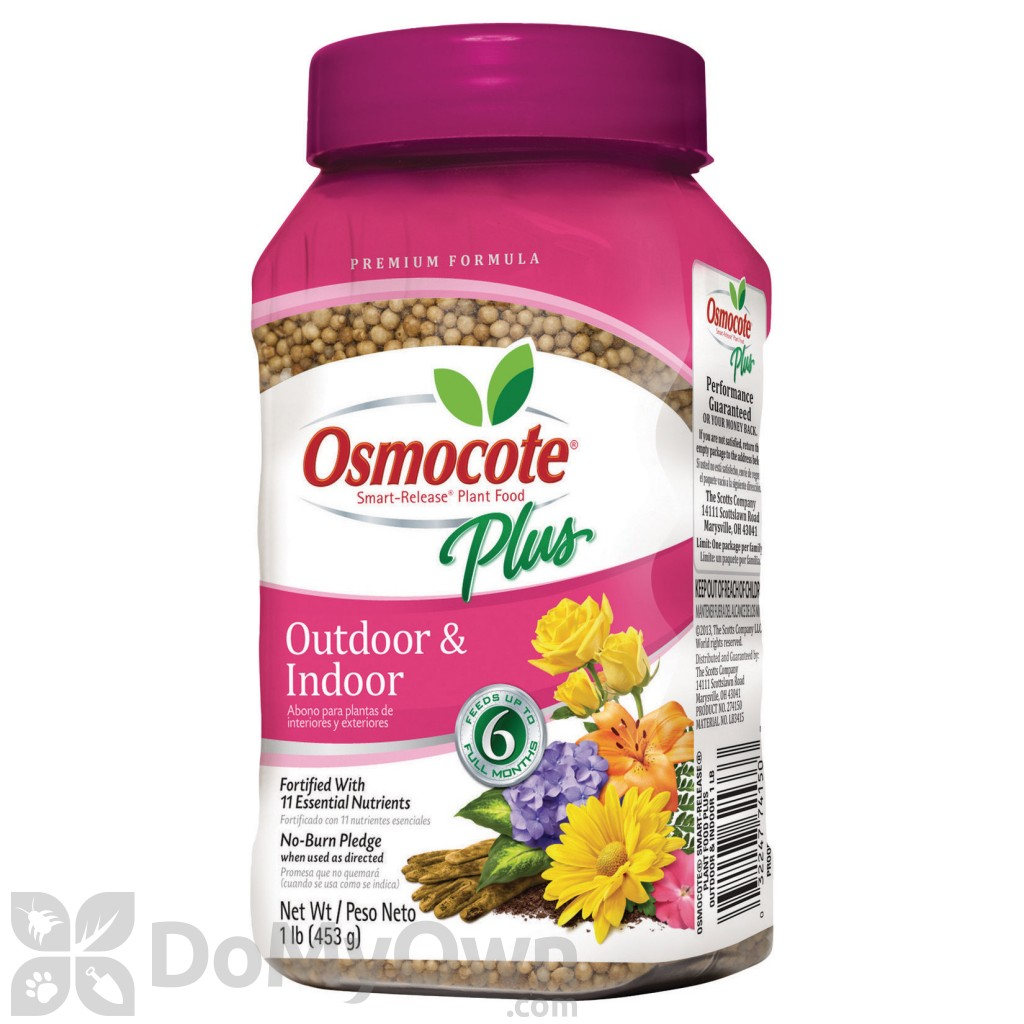
| Osmocote Plus Outdoor and Indoor Smart-Release Plant Food | Best Granular – Shrubs & Small Trees | Granular |
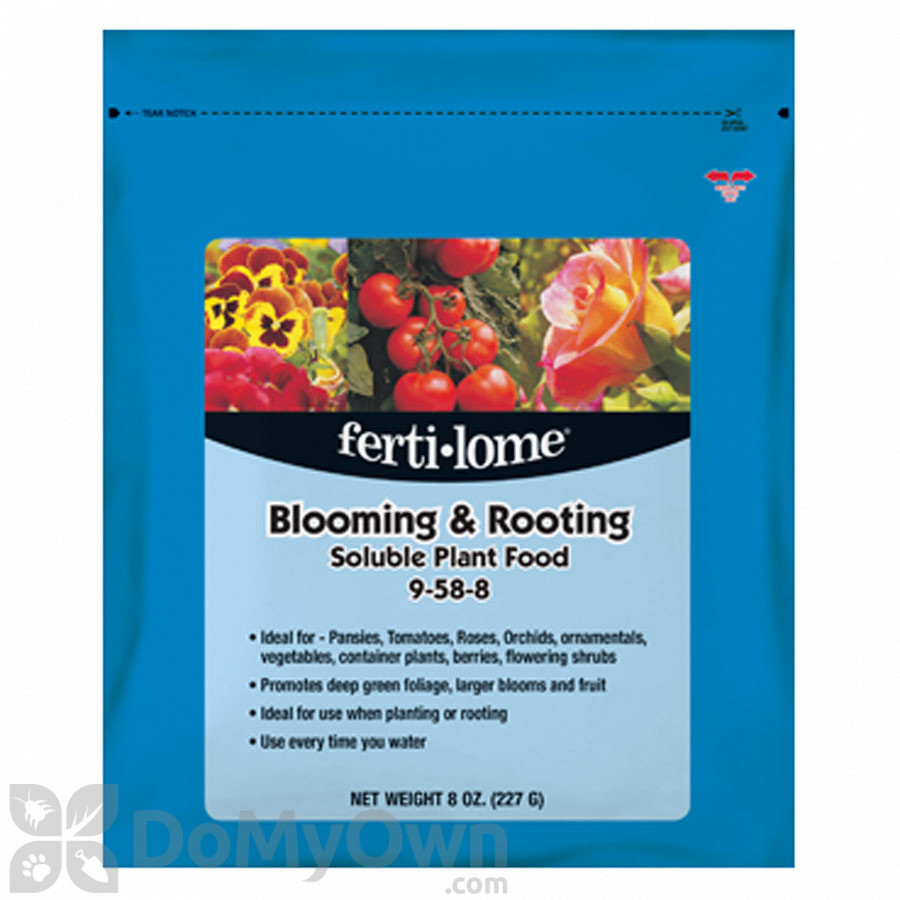
| Ferti-Lome Blooming and Rooting 9-58-8 | Best for Flowering Shrubs | Water-Soluble |
If you have trees and you don’t want to think – get Espoma Tree-tone. Organic, works on all trees.
If you have shrubs or small trees – get Osmocote. Spread it, water, done for 4 months.
If you have flowering shrubs like azalea, hydrangea, roses – get Ferti-Lome Blooming and Rooting. It’s made for blooms.
Granular vs Water-Soluble – Which One to Buy?
Buy Granular If:
- You have trees, shrubs, or a hedge
- You want to fertilize 2-3 times a year, not every week
- You have flat ground
- You want the easiest – spread, water, done
Buy Water-Soluble If:
- You have flowering shrubs and you want fast blooms
- You want to control the dose – more or less each time
- You have a few plants, not a whole hedge
My rule as a farmer: Trees and shrubs = Granular. Flowering shrubs in bloom season = Water-Soluble. If you have both, buy both.
The 3 Best Slow-Release Fertilizers – Full List
1. Espoma Tree-tone 6-3-2
Best Overall – All Trees, Organic
Organic, 6-3-2 with Bio-tone microbes. Granular, slow-release, feeds for 2 months. Works on all trees – fruit, shade, evergreen, and shrubs.
Improves soil, won’t burn, safe for pets.
How to use: Spread around the drip line, not against the trunk. 1 lb per inch of trunk diameter. For a tree with 6 inch trunk = 6 lbs. Water after.
2. Osmocote Plus Outdoor and Indoor Smart-Release Plant Food
Best Granular – Shrubs & Small Trees
Granular, coated pellets. Releases 11 essential nutrients according to soil temperature. Feeds for up to 6 months. No-burn when used as directed.
Best for: Shrubs, small trees, indoor plants, container plants, hanging baskets, acid-loving plants. Not for edible plants.
How to use: Sprinkle evenly, work into top 1-3 inches of soil, water. Re-apply every 4 months outdoors, every 6 months indoors.
3. Ferti-Lome Blooming and Rooting Soluble Plant Food 9-58-8
Best for Flowering Shrubs
9-58-8, very high phosphorus. Water-soluble, for flowering shrubs – azalea, camellia, hydrangea, roses, gardenia. Makes bigger blooms, more buds.
How to use: Mix 1 tablespoon per gallon, water around base every 7-10 days during flowering. Don’t use on seedlings – too strong.
How Much to Apply & When to Fertilize Trees and Shrubs
How Much?
Always follow the label on YOUR bag – rates change by product.
General rules:
For Granular:
- Shrubs: 1-2 tablespoons per foot of height
- Small trees: 3 tablespoons per foot of height
- Large trees: 1 lb per inch of trunk diameter – measure trunk at chest height
For Water-Soluble:
- Mix 1 tablespoon per gallon, water around base
- Every 7-10 days during flowering
When to Fertilize?
| When | What to Do |
|---|---|
| Early Spring | Main feeding – most important. Fertilize when buds start to swell, before leaves open. |
| Late Spring / Early Summer | Second feeding for fast-growing trees and flowering shrubs. |
| Fall | Light feeding only for evergreens. Do NOT fertilize deciduous trees in fall – it pushes soft growth that freezes. |
Do NOT fertilize:
- In winter when trees are dormant
- In late summer / fall for deciduous trees – you will get soft growth that dies in frost
- A newly planted tree in the first 2 weeks – wait until it starts to grow, then fertilize lightly
- A stressed or drought-damaged tree – water first, fertilize later
Pro Tips:
- Never put fertilizer against the trunk. It burns the bark. Always keep 6 inches away from trunk.
- Water after fertilizing. Slow-release still needs water to start releasing. Water for 20-30 minutes.
- Mulch helps. 2-3 inches of mulch keeps moisture and helps slow-release work longer.
- Don’t over-fertilize. More fertilizer does NOT mean faster growth. It means burned roots and yellow leaves.
What If You Used Too Much and Burned the Tree?
Water heavily – 1 hour of slow watering. The water will wash excess below roots. Don’t fertilize again for 3 months.
What I Recommend
Don’t buy 3 fertilizers. Buy one that fits your trees.
For All Trees – Best Overall:
Espoma Tree-tone 6-3-2
For Shrubs & Small Trees:
Osmocote Plus Outdoor and Indoor Smart-Release Plant Food
For Flowering Shrubs:
Ferti-Lome Blooming and Rooting 9-58-8
My advice as a farmer: If you have 1-2 trees, buy Espoma Tree-tone. If you have a hedge or 10 shrubs, buy Osmocote – it’s cheaper per plant.
Always read the label on YOUR bag. Rates change by product.
FAQ
Can I use lawn fertilizer on trees?
No. Lawn fertilizer is high nitrogen, low potassium. Trees need balanced NPK. Use tree fertilizer.
How often should I fertilize trees?
Slow-release granular: 1-2 times a year. Water-soluble: every 7-10 days during flowering.
Are spikes better than granular?
I don’t recommend spikes anymore – they are hard to find and they don’t spread evenly. Granular is better and cheaper. Buy granular.
Can I fertilize a newly planted tree?
Wait 2-4 weeks until it starts to grow. Then fertilize at half rate.
Is organic slower?
Yes, but it improves your soil. After 1 year of organic, your soil will have more microbes and your tree will need less fertilizer.
You might also like these articles:
- Yellow Leaves on Plants? Iron, Zinc & Micronutrient Deficiencies Explained

- Soil Testing for Beginners: The 3 Kits I Actually Use After 30 Years
- Soil pH for Tomatoes: How to Test, Fix High or Low pH & Why It Matters
- Potassium Deficiency on Tomatoes: Signs, Causes & Best Liquid Fertilizer (0-0-50)
- Phosphorus Deficiency on Tomatoes: Signs & Best Bloom Booster Fertilizer (10-30-20)
- Overwatering Tomatoes? How to Use a Soil Moisture Meter Correctly
- Nitrogen Deficiency on Tomatoes: Yellow Lower Leaves, Slow Growth & Best Fertilizer Fix
- How to Grow Potatoes: Planting, Hilling, Fertilizing, Diseases and Harvest
- How to Grow Cucumbers: Planting, Trellising, Pollination and Harvest
- How to Grow a Lawn from Seed or Sod: A Complete Step-by-Step Guide
- How to Fertilize Tomatoes and Vegetables: Best NPK Schedule & Timing Guide
- Fruit Tree Dormancy Explained: Chill Hours, Pollination and Pest Control