

Leaf miners are 2 mm in length.
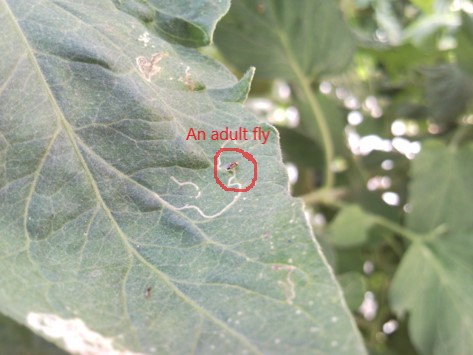


The larva is eating the green tissue of the leaves,
and making small tunnels in the leaves.
As a result, the photosynthesis of the plants is reduced.
Without photosynthesis the plant’s growth stops,
and the fruits stay small or are no any.


Leaf miner treatment
For further information about this, read this post , and this post also.
There are 3 ways to eliminate leaf miners: Chemical, organic and biologic.
Chemical:
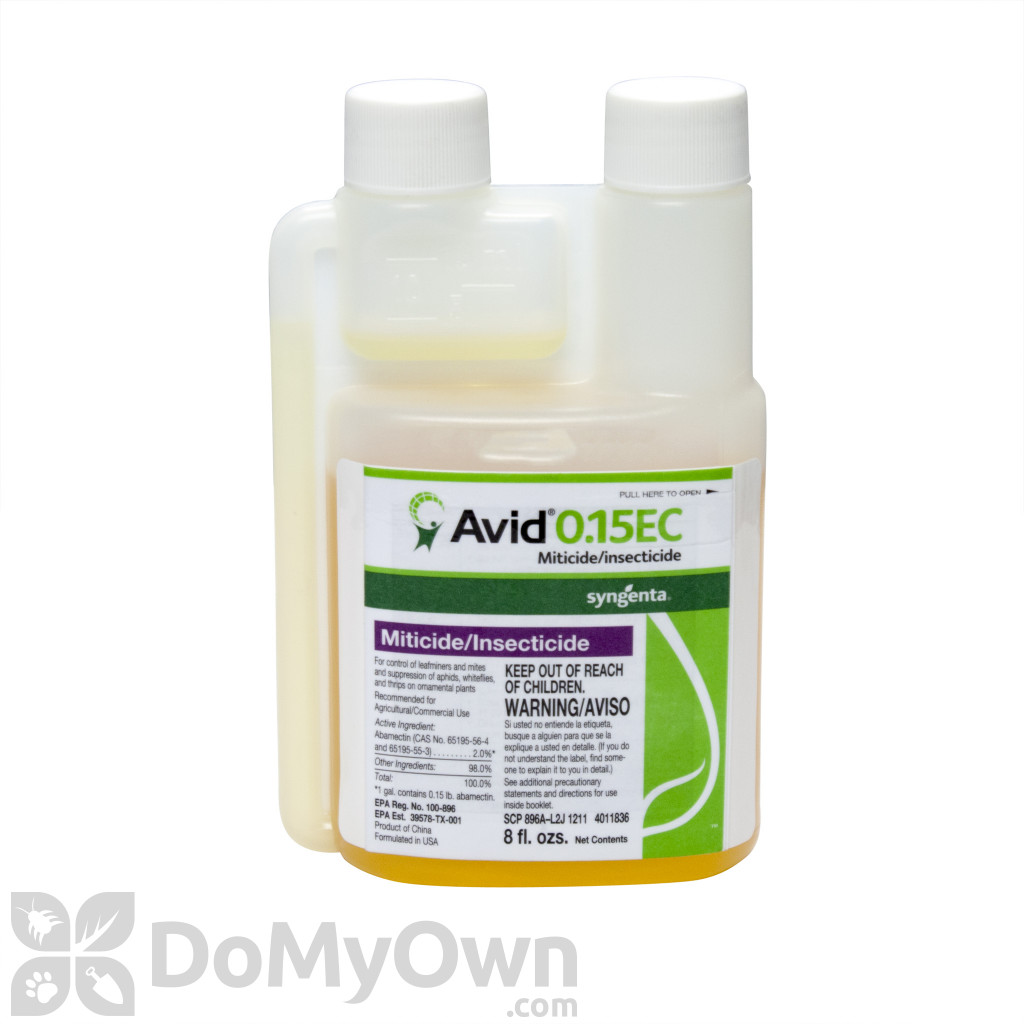
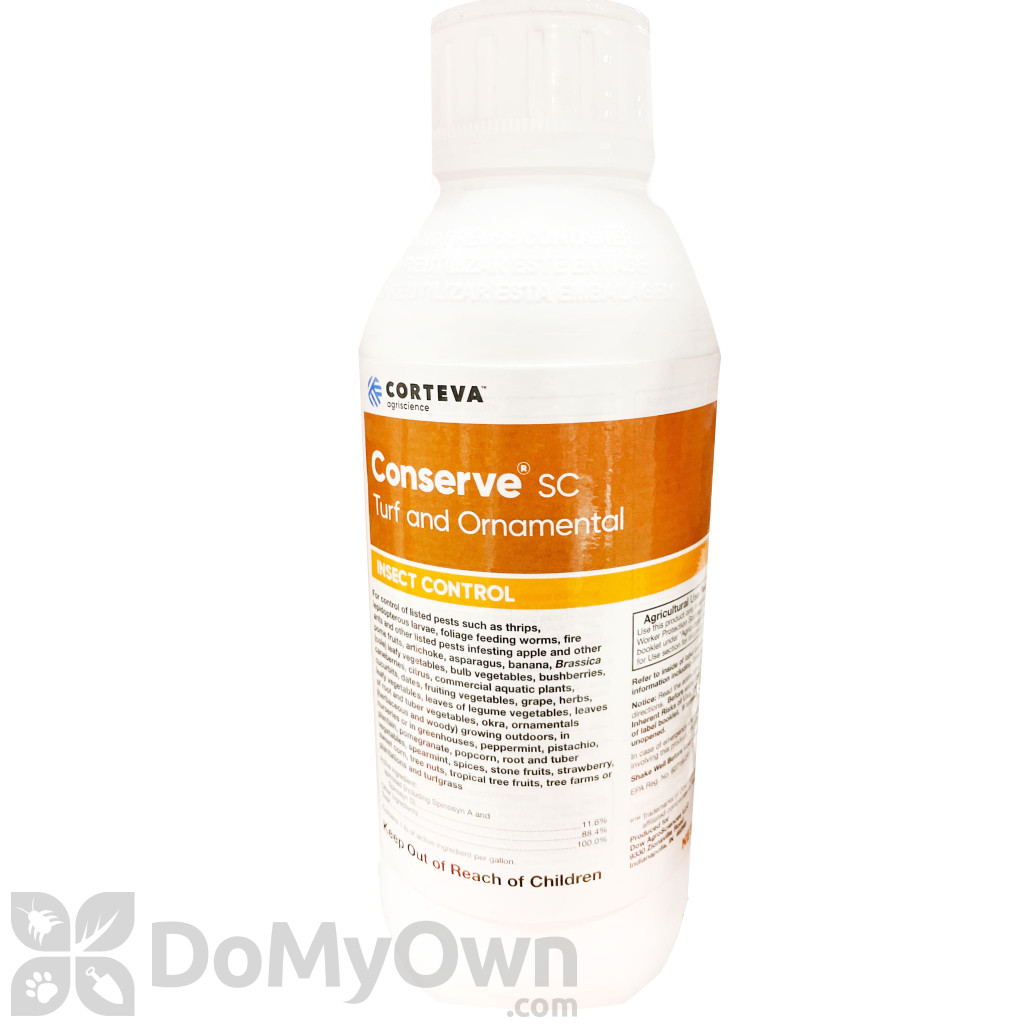
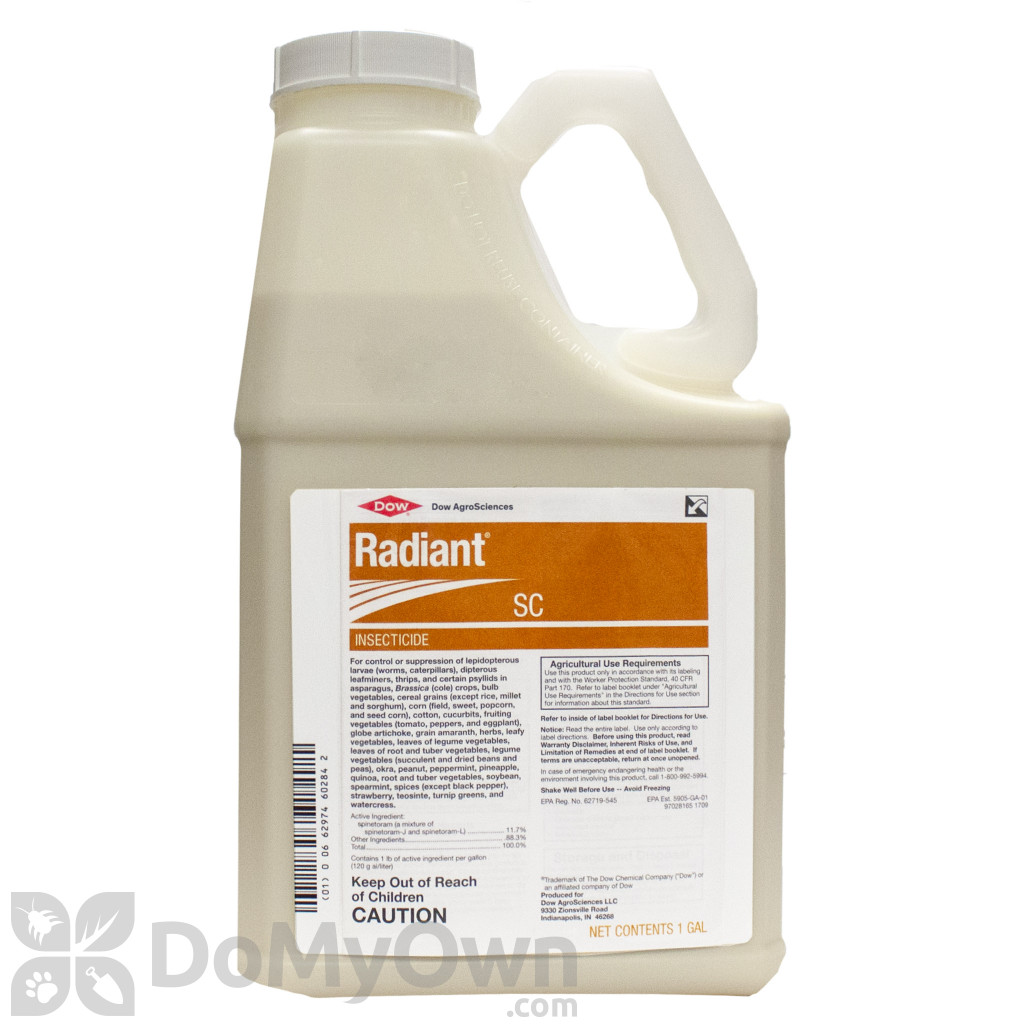
Best pesticides for leaf miner,
Active ingredients:

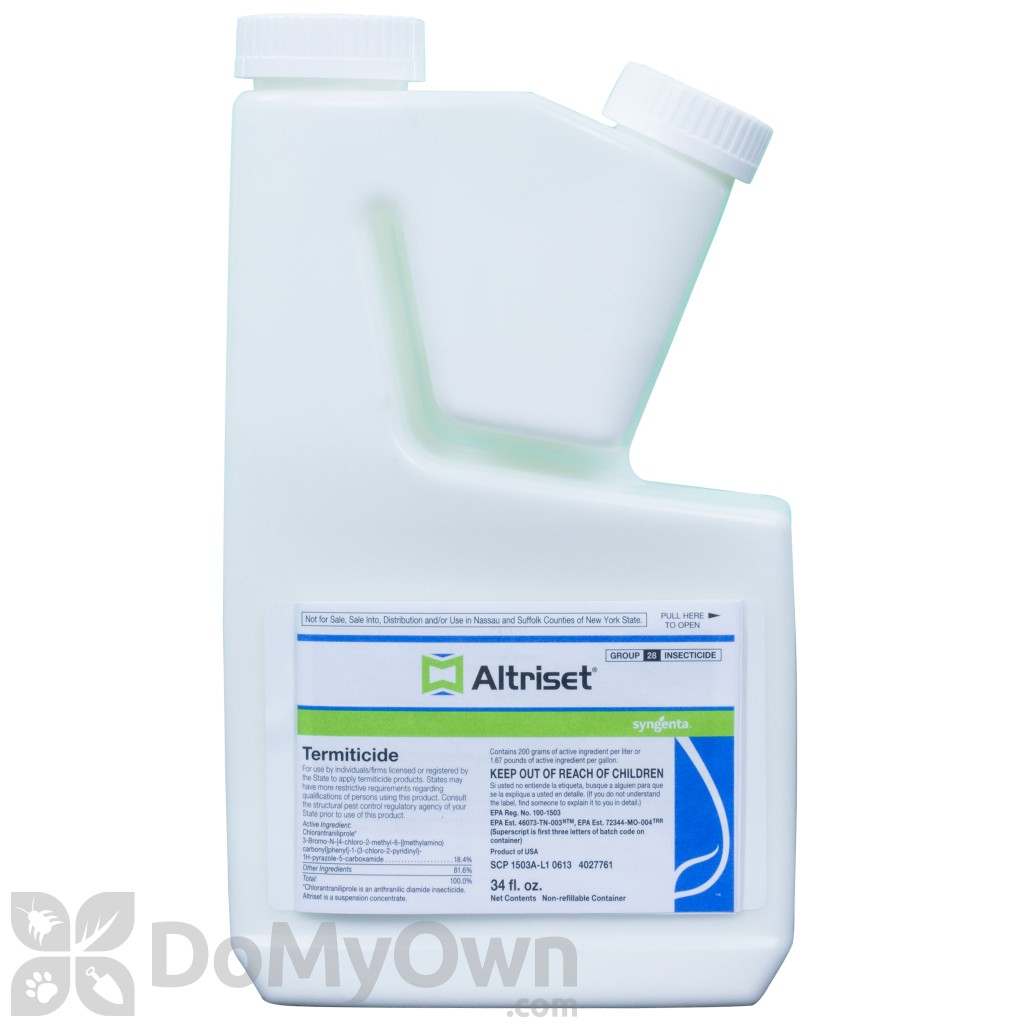
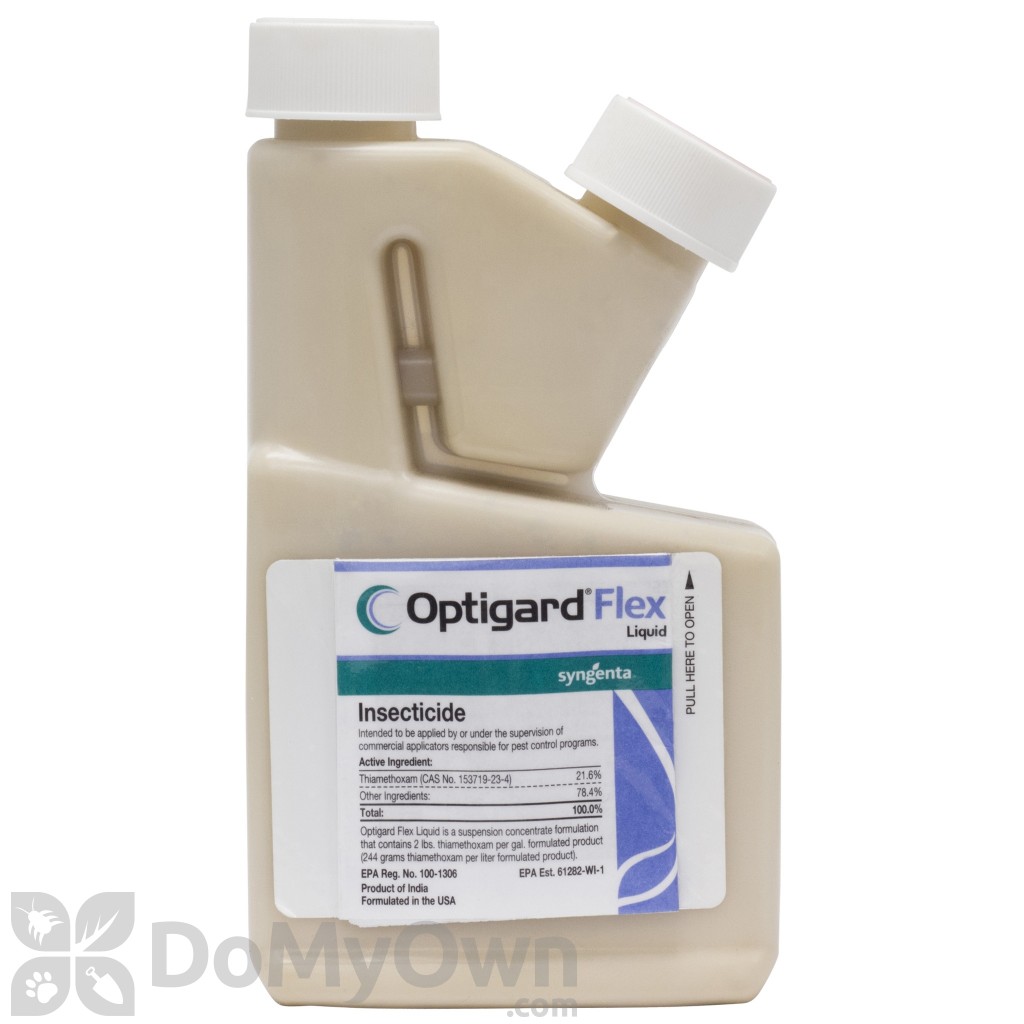
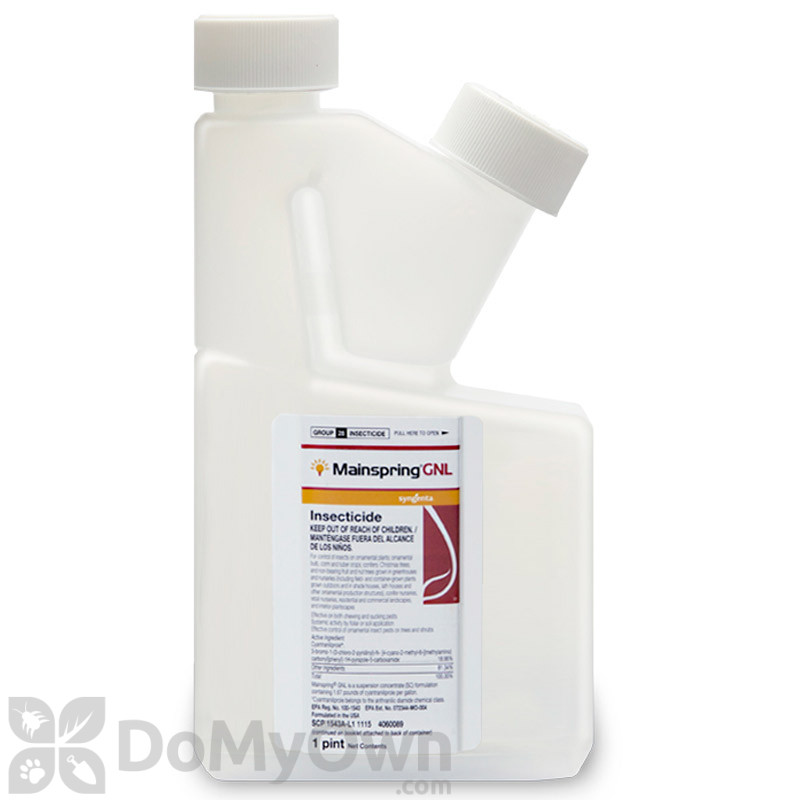
organic:
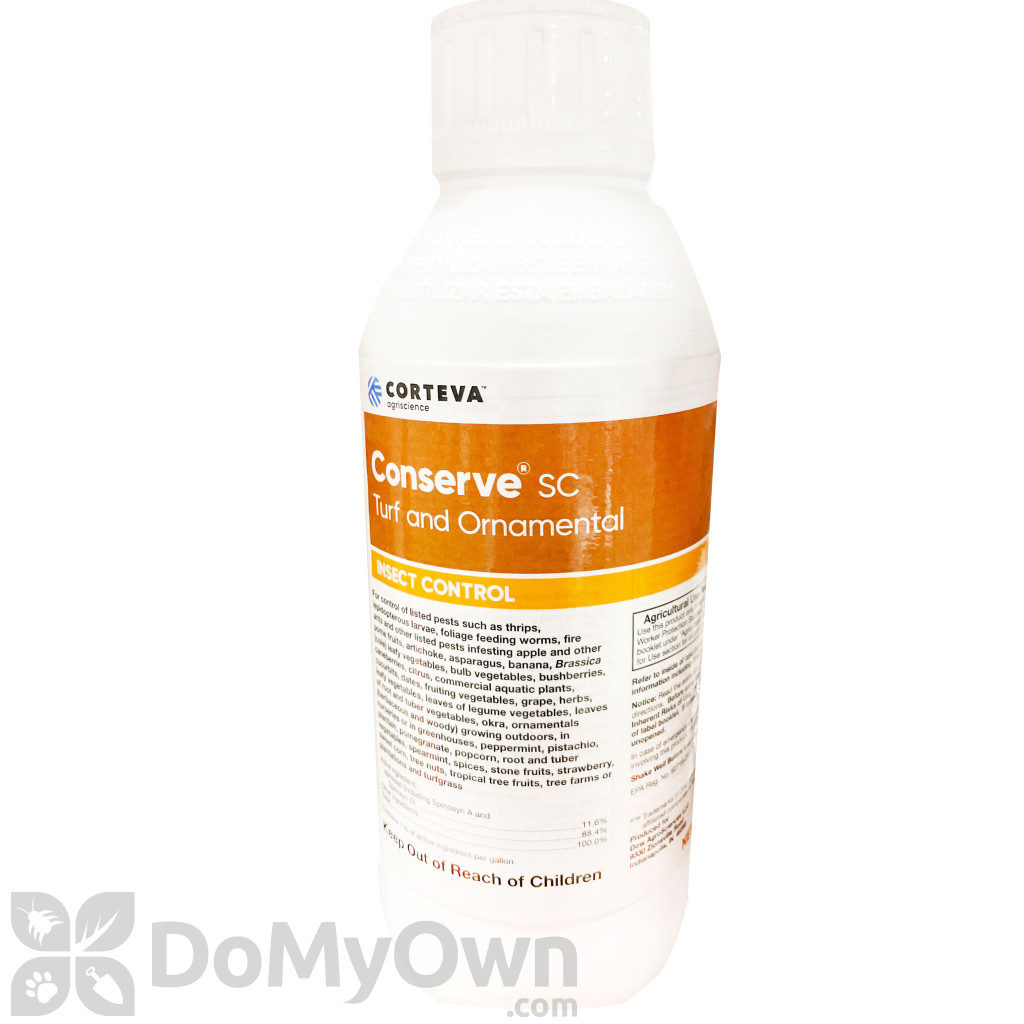
Spinosad
It’s a natural substance made by a soil bacterium, that can be toxic to insects.
It affects the nervous system of insects, that eat or touch it.
It causes their muscles to flex uncontrollably.
This leads to paralysis and ultimately their death, typically within 1-2 days.
Spraying Spinosad, mixed with neem oil, paraffinic oil, or mineral oil will increase lethality.
Some products are more expensive than others, due to a higher percentage of Spinosad inside, which is certainly better.
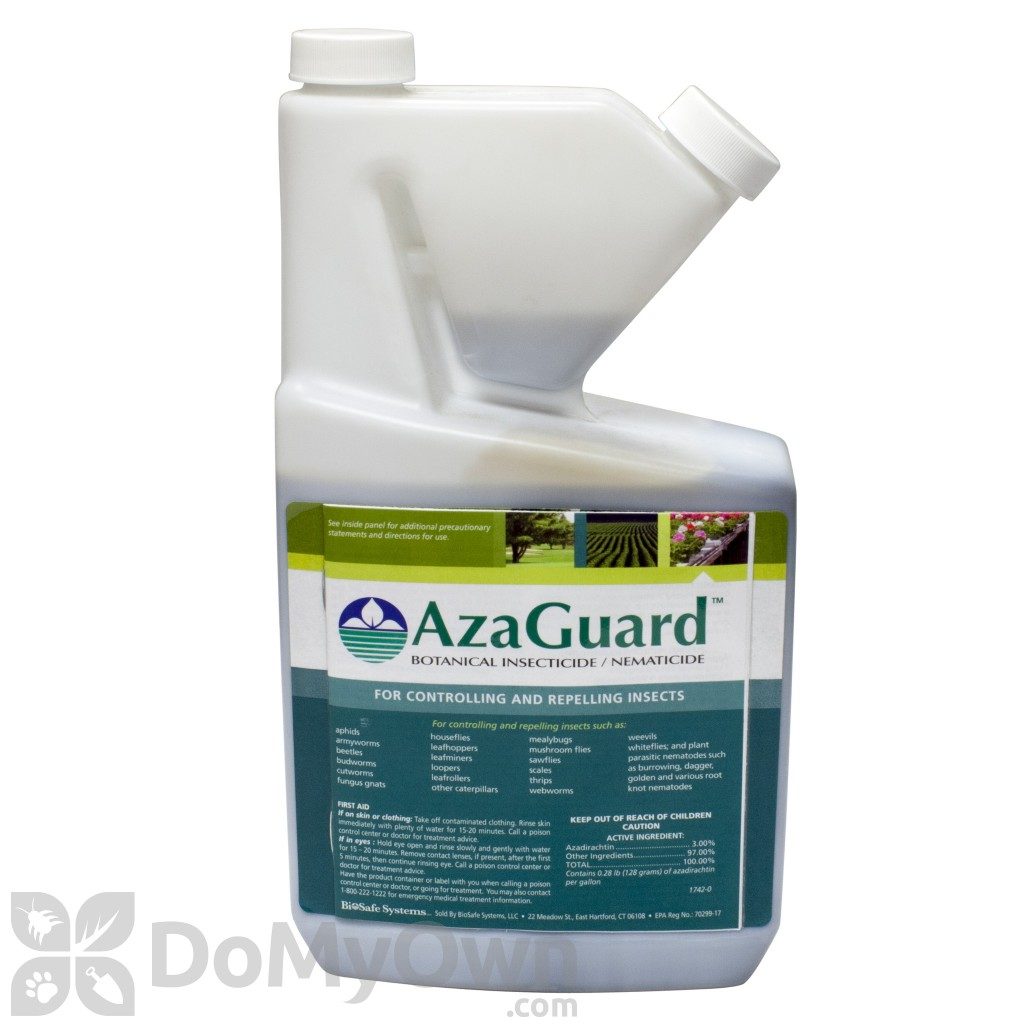
Azadirachtin
Extracted from the neem tree, it is the active ingredient here.
Insects are repelled by their taste and smell, but they also work as a molting/growth disruptor.
This insect growth regulator (IGR) disrupts the life cycle between larval, pupal and nymphal stages.
Neem Oil
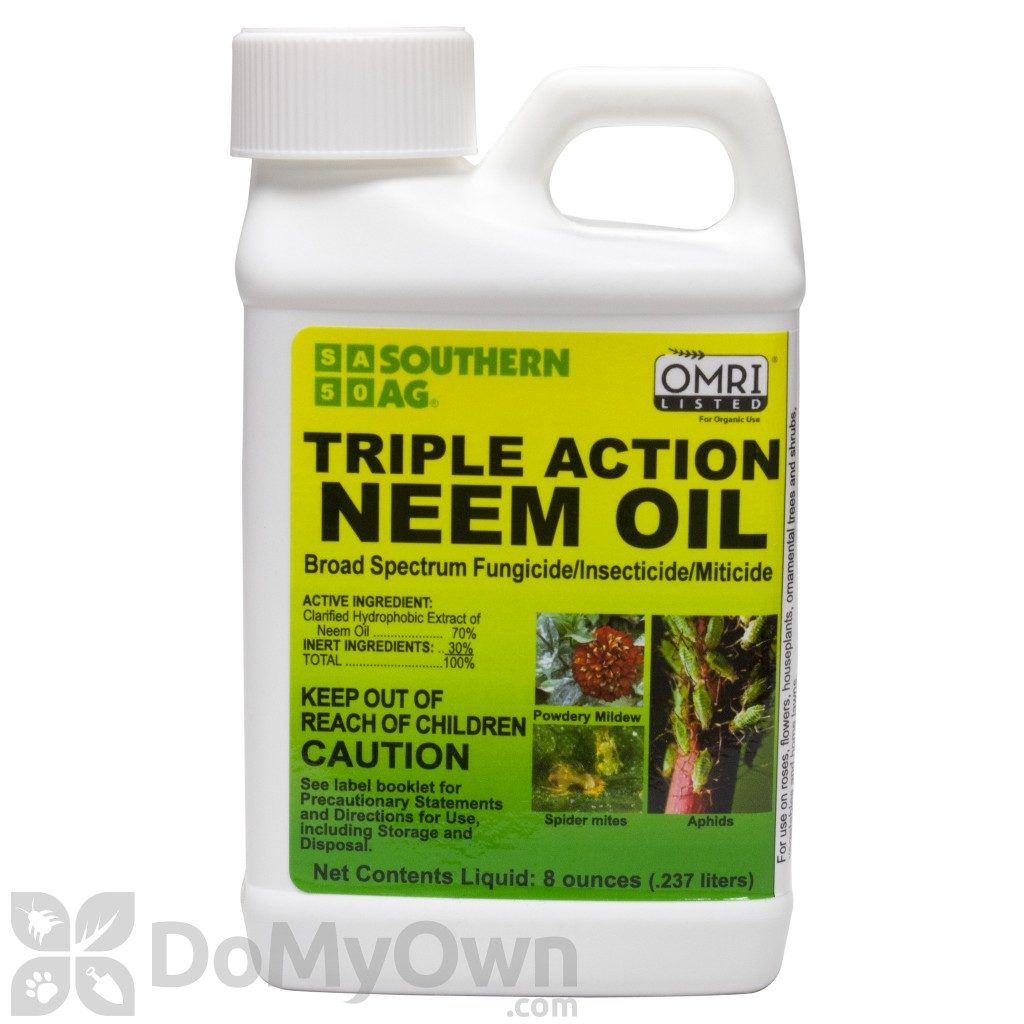
A naturally occurring pesticide, found in seeds from the neem tree.
Azadirachtin is the most active component here.
It reduces insect feeding and acts as a repellent.
It also interferes with insect hormone systems, making it harder for insects to grow and lay eggs.
Biological:
Diglyphus isaea–

Parasitic wasps that kill leaf-miners’ larvae in the mine, and lay their eggs on them.
A female can lay up to 60 eggs.
The eggs develop into parasitic wasps inside the mine (but outside the leaf miner), using the dead larvae as food.
Introduce the product at the first sign of pest presence.
Recommended when leaf miner infection increases.
Release the wasps, and allow them to fly out between the leaves in the morning or in the evening.

You might also like these articles:
- Managing Soil-Borne Diseases in Greenhouses:
- Japanese Beetles Eating Leaves? How to Get Rid of Beetles and Grubs

- Fusarium Wilt on Tomatoes: Signs, Prevention, and Treatment
- Mealybugs on Tomatoes and Houseplants? How to Get Rid of White Pests
- Systemic Pesticides for Tomatoes & Vegetables? Best Systemic Insecticide for Aphids, Whiteflies, Mealybugs – Long Lasting
- Best Pesticides for Vegetable Plants: Compare Products by Pest and Disease
- Beneficial Insects for Vegetable Garden: Best Bugs for Pest Control
- Caterpillars on Tomatoes and Cabbage? How to Control Them Organically
- Tomato Leafminer Tuta absoluta: How to Control It Organically
- Leaf Miners on Tomatoes and Spinach? How to Control Them Organically

- Thrips on Tomatoes and Onions? How to Identify and Control Them
- Aphids on Tomatoes and Roses? How to Control Them Organically


