
April 28, 2026
This disease is caused by four species of bacteria.
It occurs in tomato and pepper.
It causes leaf and fruit spots, which leads to defoliation, sun-scalded fruit, and yield loss.
leaf lesions are initially circular and water-soaked and surrounded by a faint yellow halo.
When the disease affects the young pepper plants, it causes severe leaf droppings, a delay in the development of the plant, flower droppings and a delay in embalming of the fruits.
Disease development is favored by temperatures of 75 to 86 ℉ and high precipitation.


Organic:
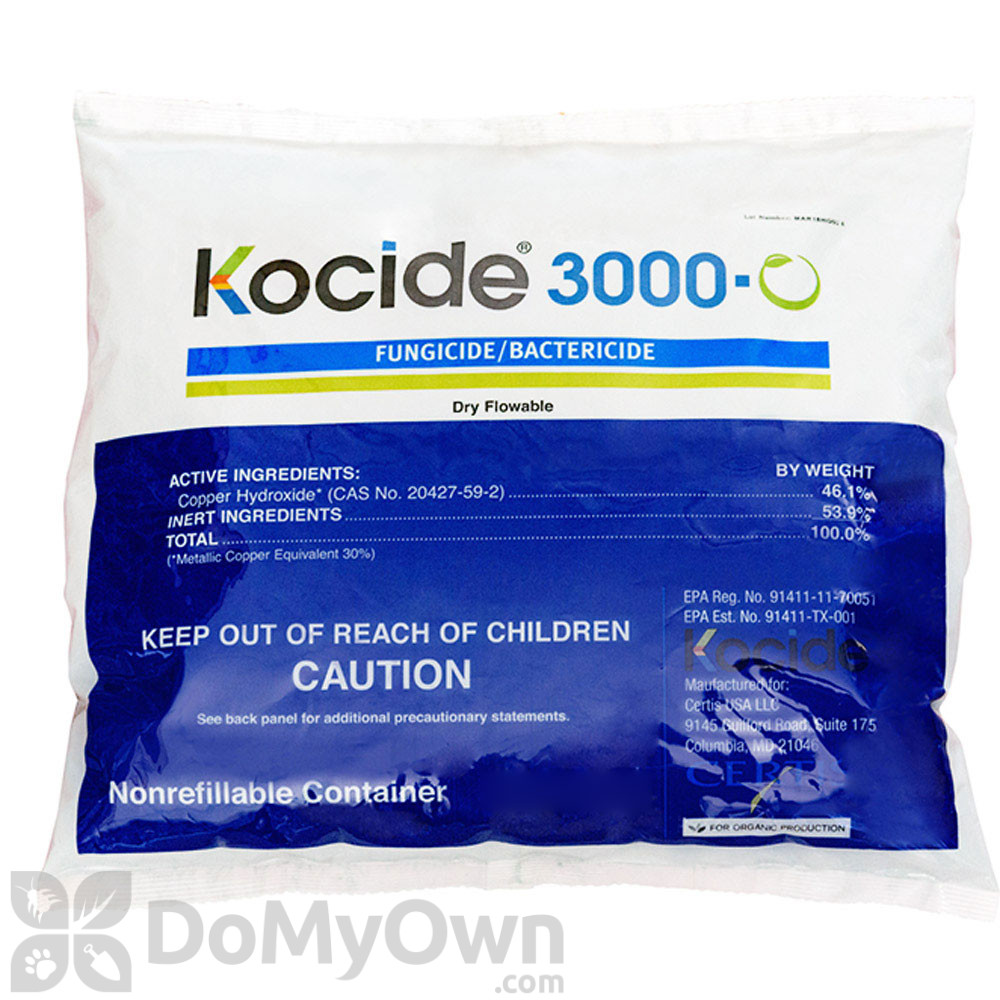
Copper hydroxide:
It is maybe the only agent (chemical and organic) that is approved for killing bacteria on plants.
It also helps prevent the germination of fungal spores.
It will try to prevent the bacteria’s from spreading to neighboring leaves and fruits.
It is proven and reliable to be powerful while ensuring plants’ safety.
This OMRI-listed product comes in a dry powder formula that is easy and convenient to apply.
Features excellent plant tenacity and delivers maximum bioavailability.
You might also like these articles:
- Bacterial Spot on Tomatoes and Peppers: Symptoms, Causes and Treatment
- Beneficial Insects for Vegetable Garden: Best Bugs for Natural Pest Control

- Benefits of Growing in a Greenhouse: Is It Worth It for Home Gardeners?
- Best Pesticides for Vegetable Plants: Compare Products by Pest & Disease
- Blower Sprayers for Garden Pest Control: Better Coverage Than Backpack Sprayers
- Caterpillars on Tomatoes & Cabbage: How to Control Them Organically with BT Spray
- Fusarium Wilt on Tomatoes: Signs, Prevention & Best Treatment Guide
- Gray Mold on Tomatoes & Strawberries: How to Control Botrytis Fast
- How to Combat Pests During Growing Season: The Importance of Using Multiple Pesticides to Prevent Resistance and Maximize Yield
- How to differentiate between pesticides
- How to find your pesticide in a store
- How to Get Rid of Ants: Home Remedies, Gel Baits, Sprays and Granules