
June 21, 2026
Alternaria alternata
This is a fungus attacking many different crops.
In tomatoes it is called early blight.

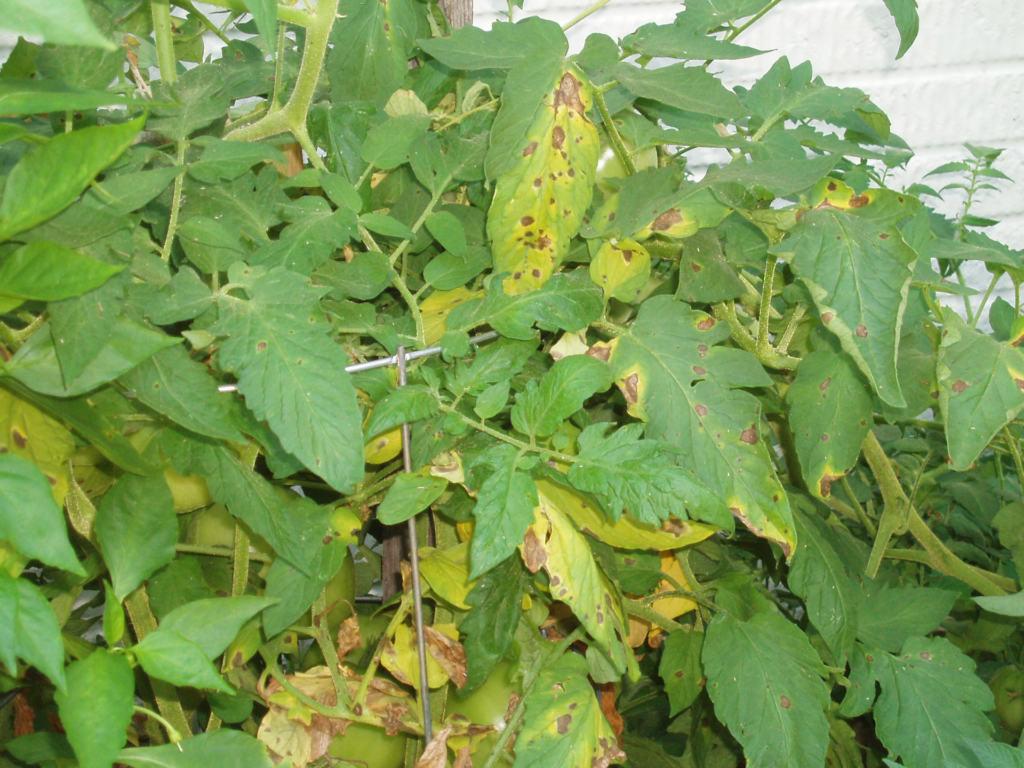
Its symptoms are round concentric leaf spots that look like dark, water-soaked lesions on the leaves.
These lesions may expand and become brown or black, with a concentric ring pattern.
In severe cases, the lesions can merge and cause the entire leaf to become yellow, die and fall off.


These symptoms may also transfer to the stems and to the fruits.


Septoria leaf spot, Bacterial leaf spot and Gray Leaf Spot are also common leaf diseases and their symptoms also look the same.
Alternaria leaf spot can be caused by a variety of factors, including high humidity, warm temperatures, and poor air circulation.
The fungus can spread through water splashes, wind, or insect vectors.
For further information about this, read this post , and this post also.
There are 2 ways to eliminate Alternaria leaf spot: Chemical, and organic.
Chemical:
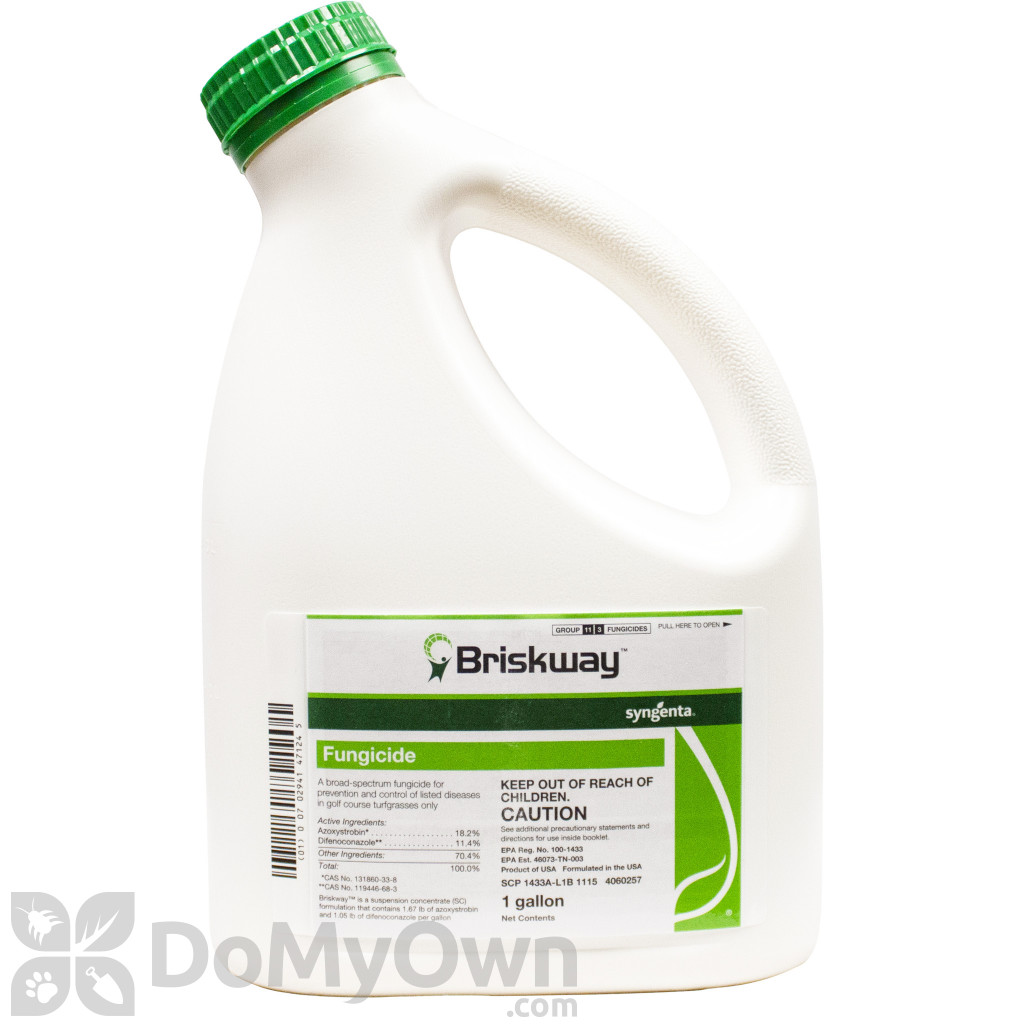
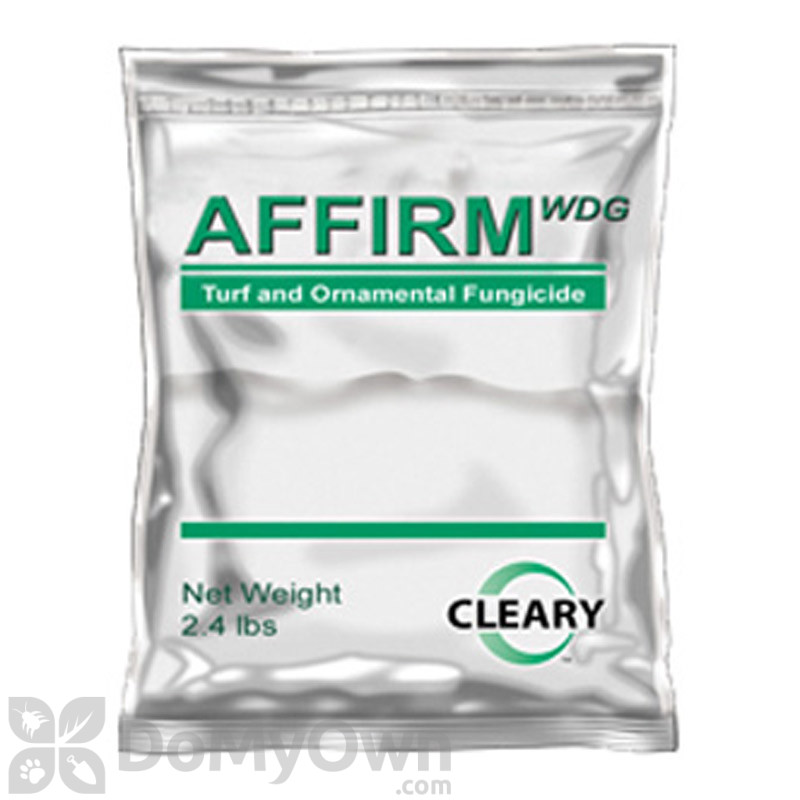
Best pesticides for Alternaria leaf spot / Early blight,
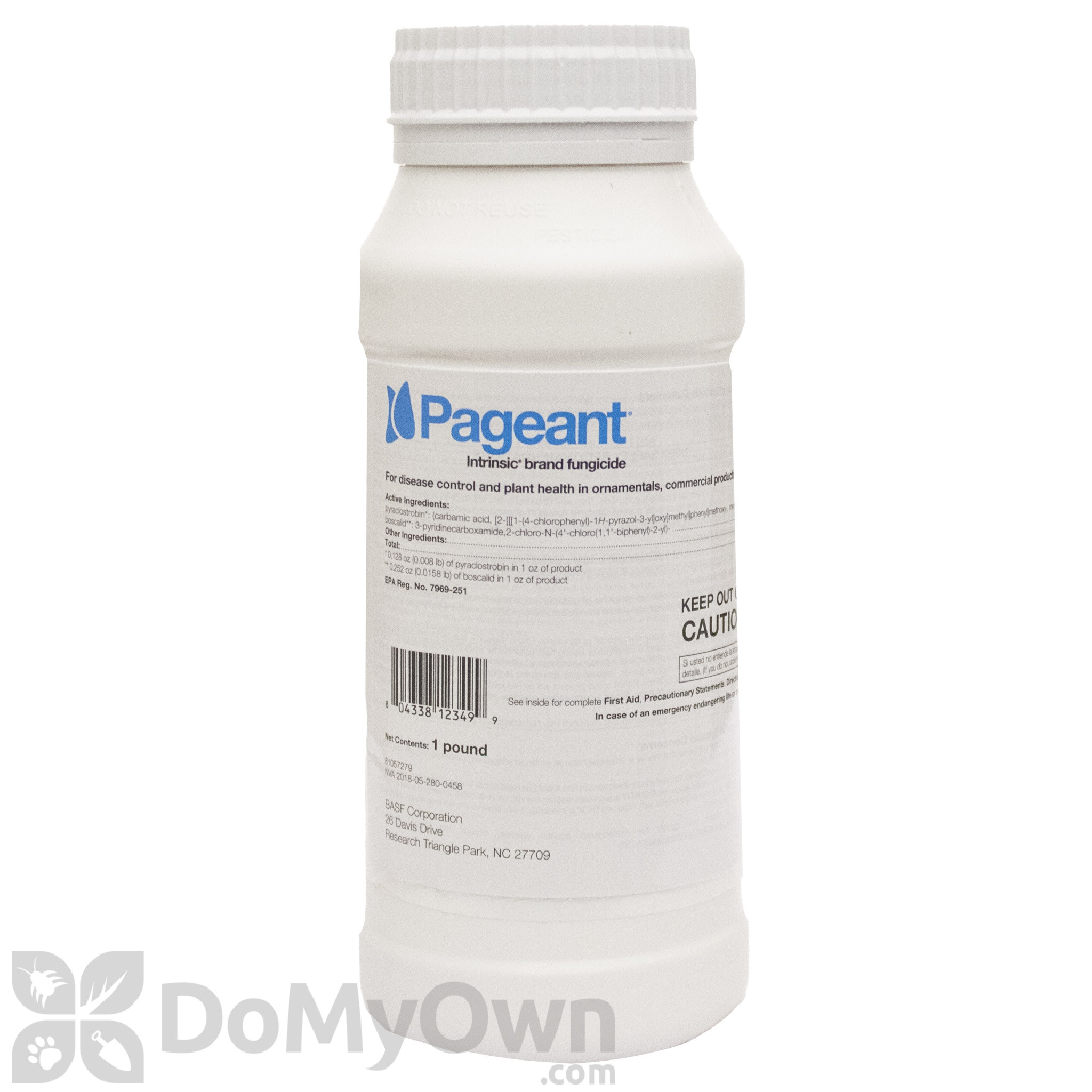
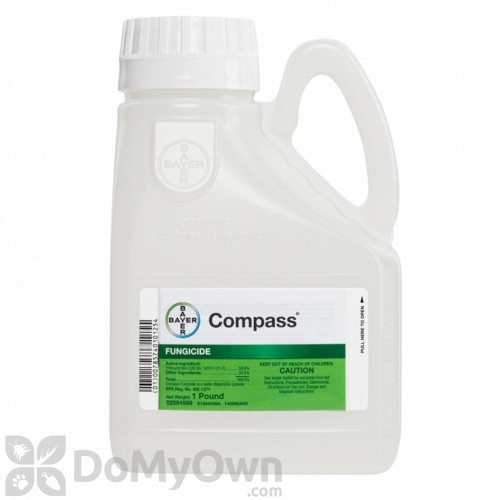
Organic:
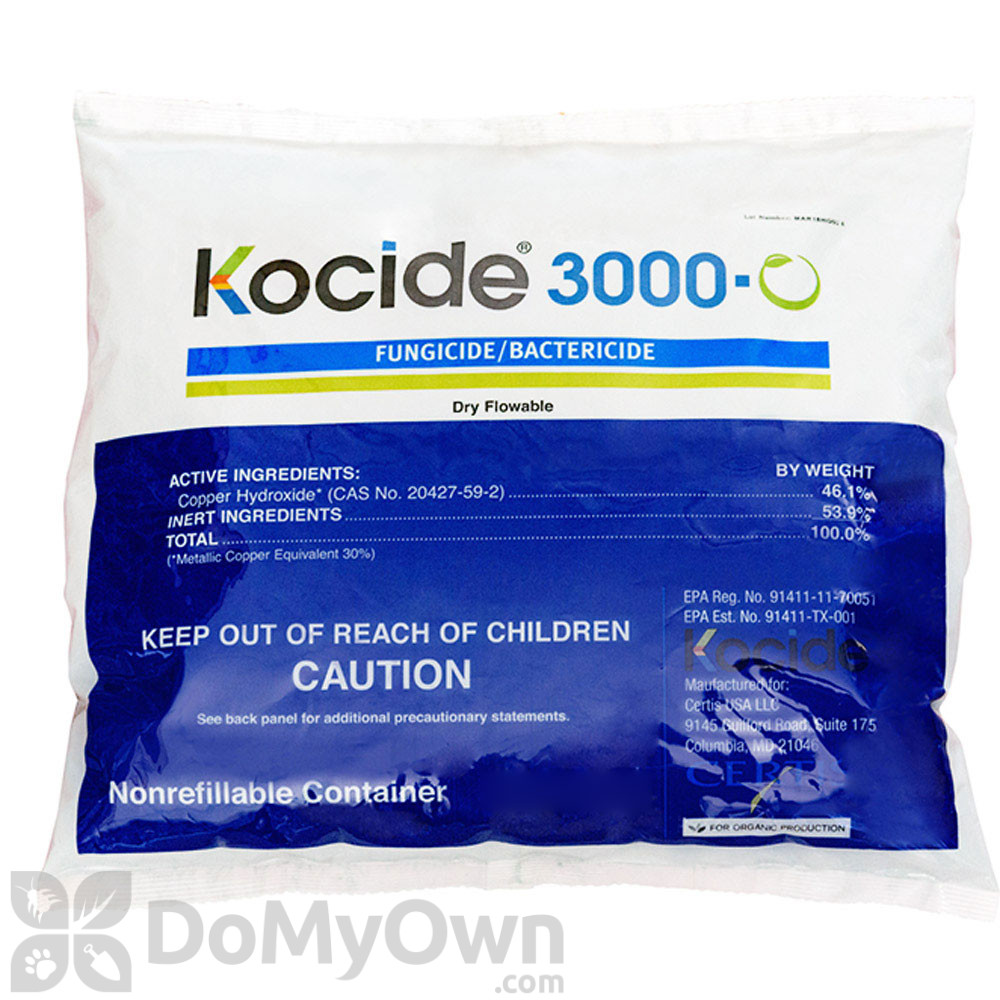
Copper Hydroxide
It helps prevent the germination of fungal spores.
It is proven and reliable to be powerful while ensuring plants’ safety.
This OMRI-listed product comes in a dry powder formula that is easy and convenient to apply.
Features excellent plant tenacity and delivers maximum bioavailability.
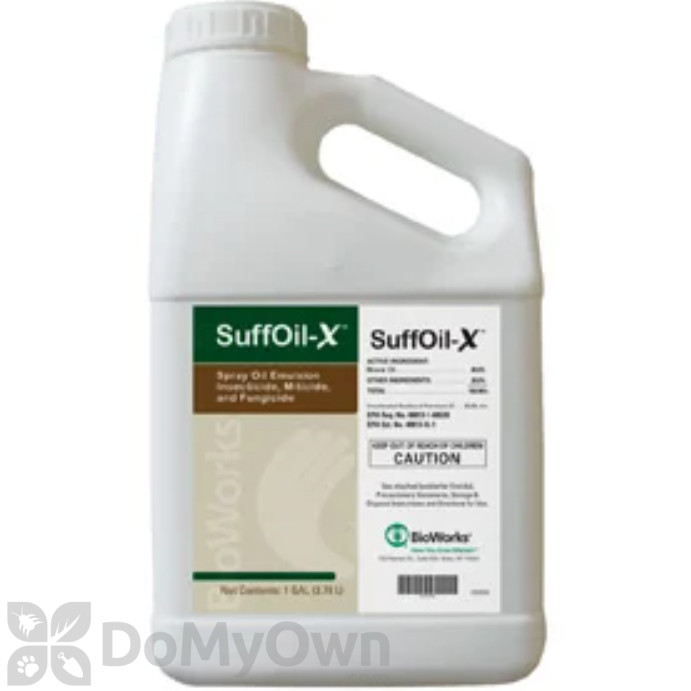
Mineral oil
Covers the egg, larvae, nymph and adult stages, causing suffocation.
It leaves no toxic residue on plants.
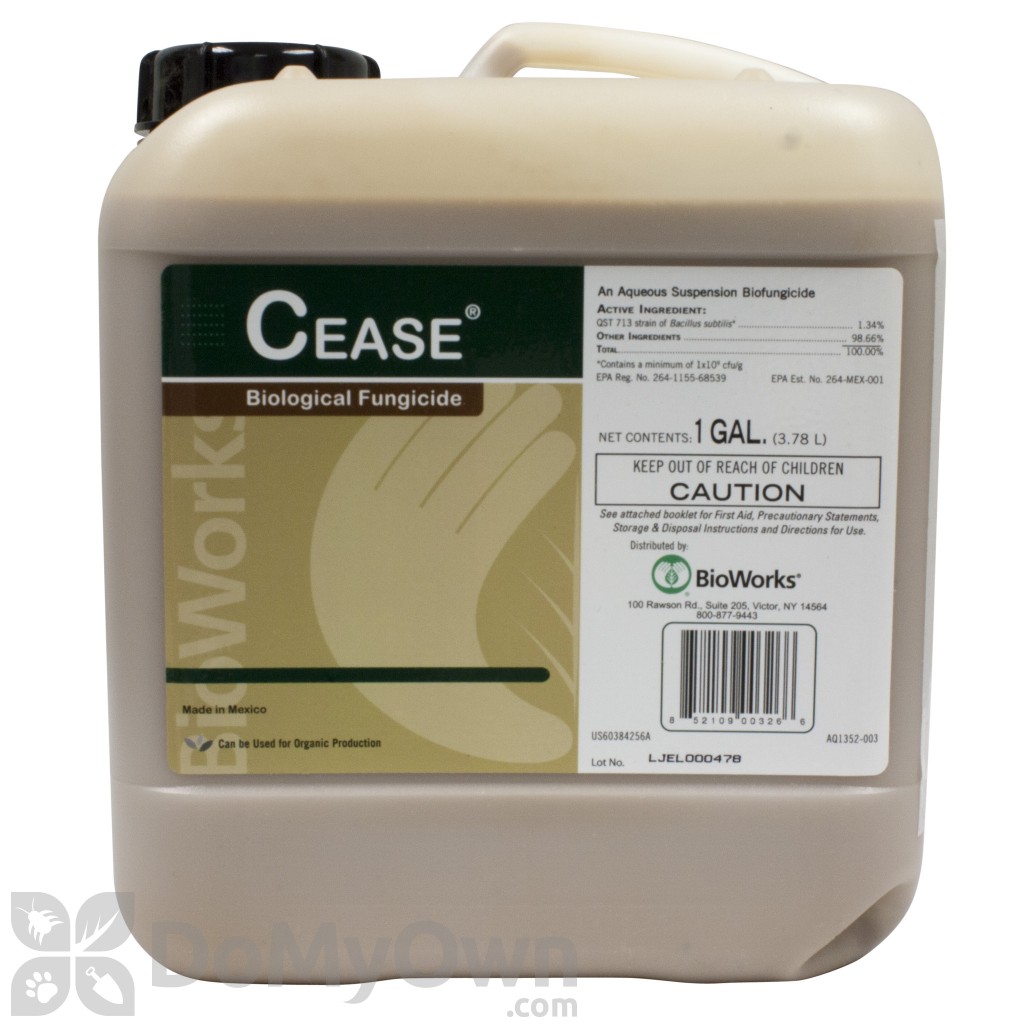
Bacillus Subtilis
A biological fungicide containing a strain of the bacterium Bacillus subtilis.
The bacterial spores occupy space on the plant surface, and compete with the pathogens; then active compounds called lipopeptides, produced by the bacterium, disrupt the germination, and growth of invading pathogens.
Due to this action, resistance is not likely to develop.
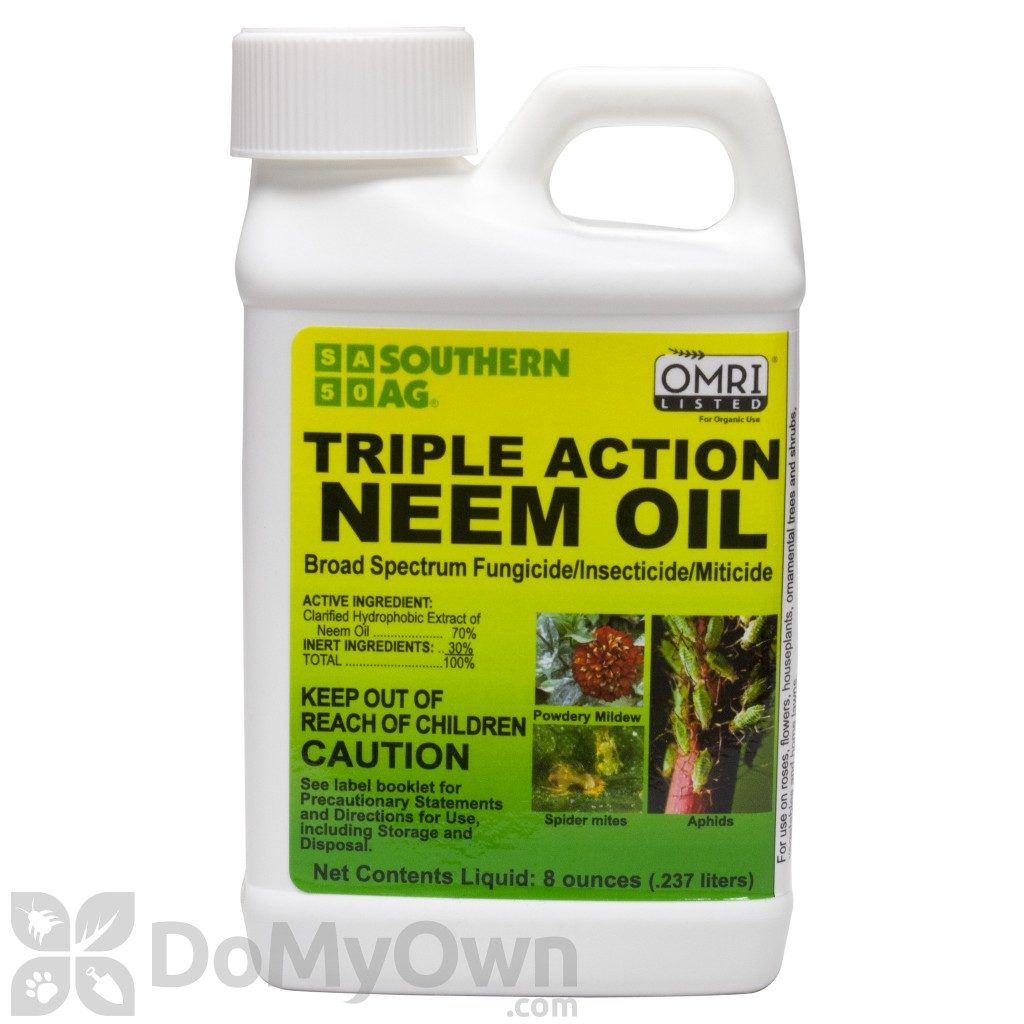
Neem oil
A naturally occurring pesticide, found in seeds from the neem tree.
Azadirachtin is the most active component here.
It reduces insect feeding and acts as a repellent.
It also interferes with insect hormone systems, making it harder for insects to grow and lay eggs.
You might also like these articles:
- Bacterial Spot on Tomatoes and Peppers: Symptoms, Causes and Treatment
- Beneficial Insects for Vegetable Garden: Best Bugs for Natural Pest Control

- Benefits of Growing in a Greenhouse: Is It Worth It for Home Gardeners?
- Best Pesticides for Vegetable Plants: Compare Products by Pest & Disease
- Blower Sprayers for Garden Pest Control: Better Coverage Than Backpack Sprayers
- Caterpillars on Tomatoes & Cabbage: How to Control Them Organically with BT Spray
- Fusarium Wilt on Tomatoes: Signs, Prevention & Best Treatment Guide
- Gray Mold on Tomatoes & Strawberries: How to Control Botrytis Fast
- How to Combat Pests During Growing Season: The Importance of Using Multiple Pesticides to Prevent Resistance and Maximize Yield
- How to differentiate between pesticides
- How to find your pesticide in a store
- How to Get Rid of Ants: Home Remedies, Gel Baits, Sprays and Granules