

This disease is caused by four species of bacteria.
It occurs in tomato and pepper.
It causes leaf and fruit spots, which leads to defoliation, sun-scalded fruit, and yield loss.
leaf lesions are initially circular and water-soaked and surrounded by a faint yellow halo.
When the disease affects the young pepper plants, it causes severe leaf droppings, a delay in the development of the plant, flower droppings and a delay in embalming of the fruits.
Disease development is favored by temperatures of 75 to 86 ℉ and high precipitation.


Organic:
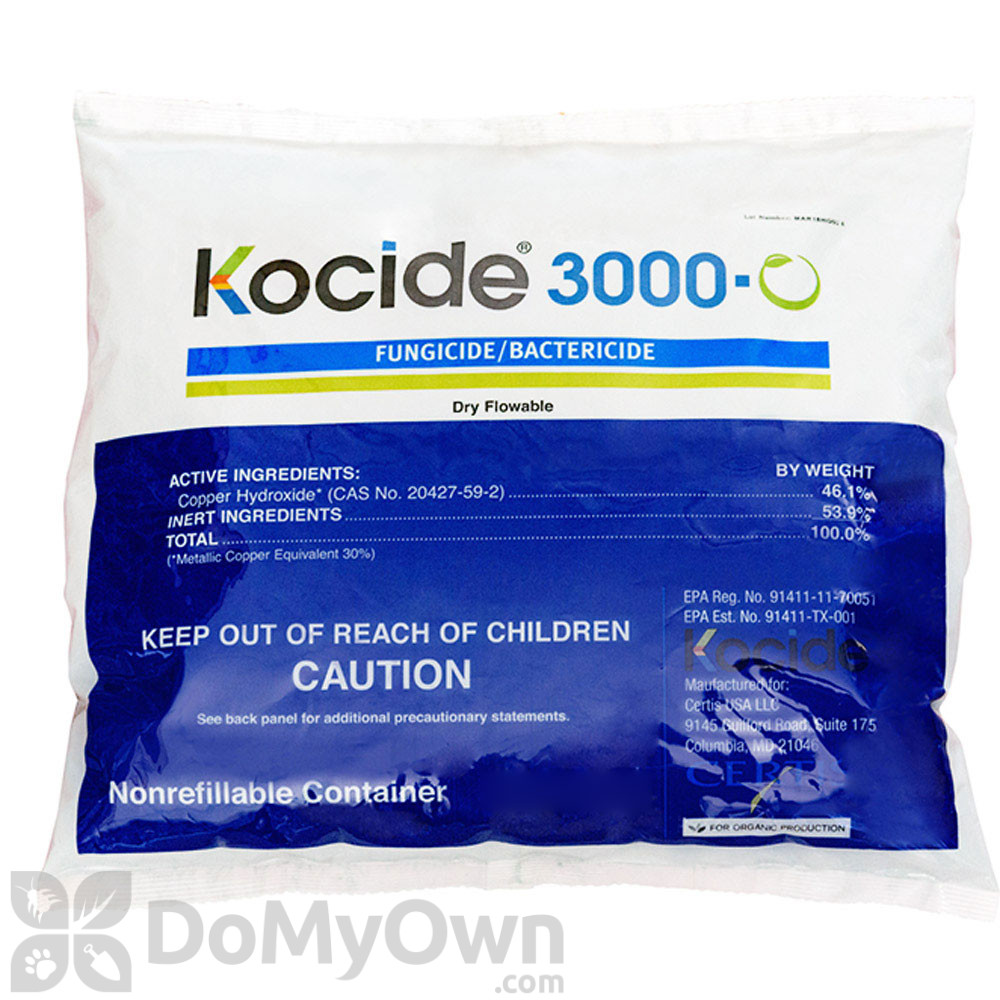
Copper hydroxide:
It is maybe the only agent (chemical and organic) that is approved for killing bacteria on plants.
It also helps prevent the germination of fungal spores.
It will try to prevent the bacteria’s from spreading to neighboring leaves and fruits.
It is proven and reliable to be powerful while ensuring plants’ safety.
This OMRI-listed product comes in a dry powder formula that is easy and convenient to apply.
Features excellent plant tenacity and delivers maximum bioavailability.
You might also like these articles:
- Late Blight on Tomatoes: How to Treat It and Protect New Growth

- Managing Soil-Borne Diseases in Greenhouses:
- Japanese Beetles Eating Leaves? How to Get Rid of Beetles and Grubs
- Fusarium Wilt on Tomatoes: Signs, Prevention, and Treatment
- Mealybugs on Tomatoes and Houseplants? How to Get Rid of White Pests
- Septoria Leaf Spot on Tomatoes: Brown Spots and Treatment
- Systemic Pesticides for Tomatoes & Vegetables? Best Systemic Insecticide for Aphids, Whiteflies, Mealybugs – Long Lasting
- Best Pesticides for Vegetable Plants: Compare Products by Pest and Disease
- Beneficial Insects for Vegetable Garden: Best Bugs for Pest Control
- Early Blight on Tomatoes? How to Treat Alternaria Leaf Spot
- Tomato Leaf Mold: Yellow Spots and How to Treat It
- Powdery Mildew on Plants: White Powder and How to Treat It


