
Root-knot nematodes are the invisible enemy. You don’t see them. You only see the result: plants that wilt in the middle of the day even when the soil is wet, yellow leaves, stunted growth, and when you pull the plant – small balls, galls, on the roots.
If you have galls on your roots, you have root-knot nematodes. This guide covers everything: how to confirm it, organic and biological control, and the chemical options – including what to use when.
What Are Root-Knot Nematodes?
Root-knot nematodes (Meloidogyne spp.) are microscopic roundworms that live in the soil and feed inside plant roots. The female lays eggs inside the root, the root reacts by forming a gall, and the gall blocks water and nutrients.
They love warm soil, sandy soil, and the same crops over and over: tomato, cucumber, pepper, eggplant, carrot, lettuce, melon, squash, and okra.
Signs:
- Wilting in the heat, recovery at night
- Yellow, stunted plants in patches, not the whole field
- Small round galls on roots, 1-5 mm
- Poor yield even with fertilizer and water
Pull a sick plant. If the roots look like beads on a string, it’s nematodes. No need for a lab.
Prevention First – This Is 80% of the Control
No chemical will save you if you plant susceptible crops in the same place every year.
- Crop Rotation: Do not plant tomato after tomato, or cucumber after melon. Rotate with onion, garlic, corn, wheat, or marigolds for at least 2 years.
- Resistant Varieties: Look for tomato / pepper seeds with the letter N on the packet – it means nematode resistant. It doesn’t mean immune, but it reduces damage by 80-90%.
- Clean Tools and Seedlings: Nematodes move with soil on tools, boots, and infected seedlings. Clean tools, buy clean seedlings.
- Solarization: In summer, cover moist soil with clear plastic for 4-6 weeks. This kills nematodes in the top 10-15 cm. See our full guide: [How to Sanitize Garden Soil Before Planting]
- Marigolds: Plant French marigolds (Tagetes patula) as a cover crop for 2-3 months and turn them into the soil. They release a compound that is toxic to nematodes.
If you do only prevention, you will already cut the population in half.
Organic Control
Organic doesn’t mean weak. It means you use it after planting, when chemicals are limited.
1. Garlic Extract
Garlic extract repels and kills juvenile nematodes in the soil. It is not a fumigant, it works on contact in the root zone.
Notes: Apply after planting, in 2-4 applications through drip irrigation. It is safe to use during the growing season.
Best for: Home gardens, organic farms, when you already have plants in the ground and you need to stop the spread.
2. Carvacrol – Oregano Oil
Carvacrol is the active compound in oregano oil. It is a botanical nematicide that kills nematodes in the soil without harming the plant.
Notes: Apply after planting and during the growing season, through drip.
Best for: Organic growers who want a stronger effect than garlic, but still want to stay organic.
3. Azadirachtin – Neem
Azadirachtin is the active ingredient in neem oil. It is widely used against nematodes and it works.
Azadirachtin does two things:
- It kills juvenile nematodes on contact in the soil
- It stops the females from laying eggs
Notes: Apply through drip irrigation after planting, in 2-3 applications, 10-14 days apart. Use the rate on the label – do not overdose, neem can burn young leaves if sprayed in the heat.
Best for: Home gardeners who already have neem at home. It is not as strong as a chemical nematicide, but combined with marigolds and resistant varieties, it keeps the population low enough that plants can produce.
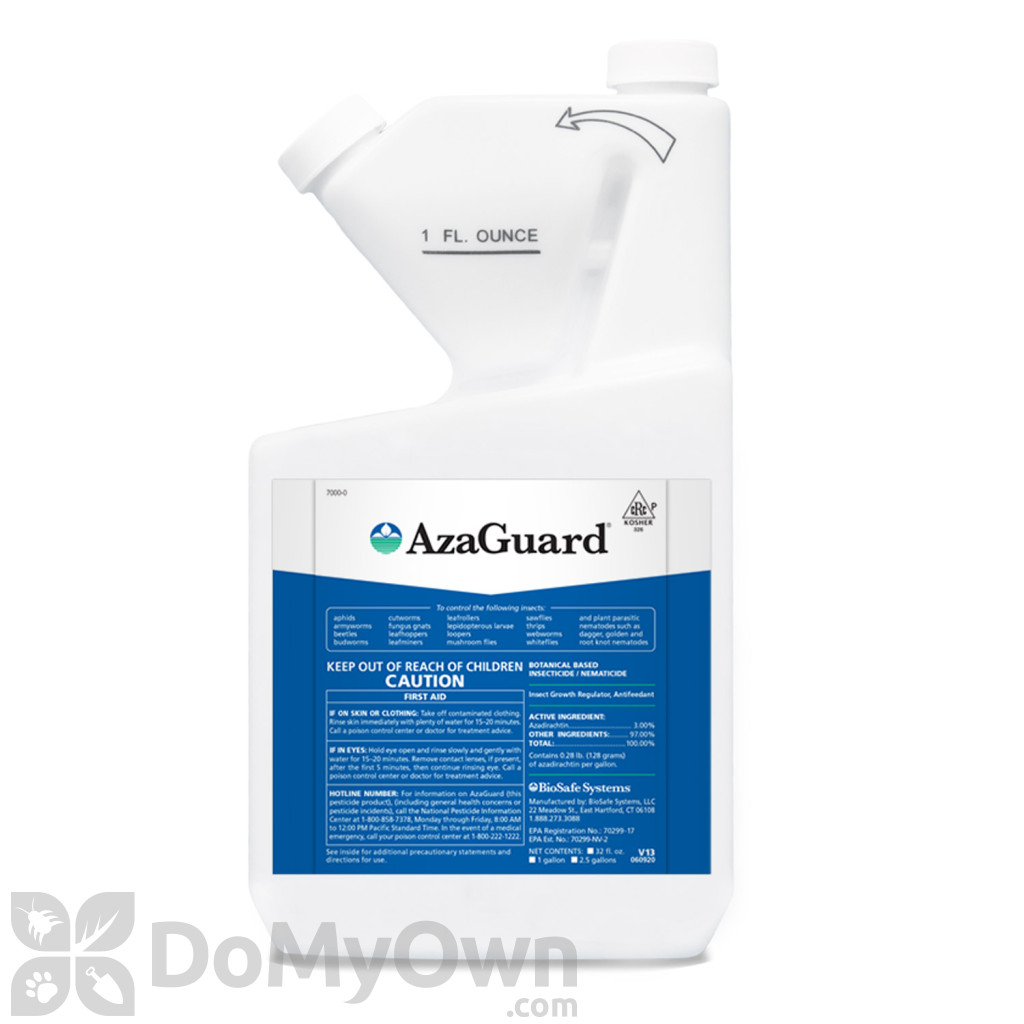
My advice: If you are organic, use this combination: Marigolds before planting + Garlic or Carvacrol after planting + Azadirachtin during the season. No single organic product will kill 100%, but the combination will.
Biological Control
Biological control uses living organisms that eat or parasitize nematodes.
1. Bacillus firmus
A beneficial bacterium that colonizes the root and creates a barrier. Nematodes cannot penetrate the root easily. It is applied through drip at planting.
2. Paecilomyces lilacinus / Purpureocillium lilacinum
A beneficial fungus that parasitizes nematode eggs. It reduces the next generation. Best used before planting, mixed into the soil.
3. Trichoderma spp.
A beneficial fungus that improves root health and competes with nematodes. It does not kill nematodes directly, but healthy roots with Trichoderma tolerate more damage.
Important truth: Biological products do NOT work like chemicals. They need warm, moist soil, organic matter, and time. If you apply them to dry, dead soil, they will die. Always apply biologicals after you add compost, and water them in.
Biologicals are best for prevention, not for rescue. If you already have a heavy infestation and your plants are dying, biologicals alone will not save this season.
Chemical Control – After Planting
These are the chemical options for root-knot nematodes. Use them exactly as on the label in your country.
| Active Ingredient | When to Apply | Notes |
|---|---|---|
| Abamectin | After planting | Apply in 2-4 applications after planting. Check label – rate varies by crop. |
| Garlic Extract | After planting | Organic, 2-4 applications. See above. |
| Oxamyl | Through drip | Highly toxic. Long waiting period before harvest. Use only if other options failed. |
Fluensulfone 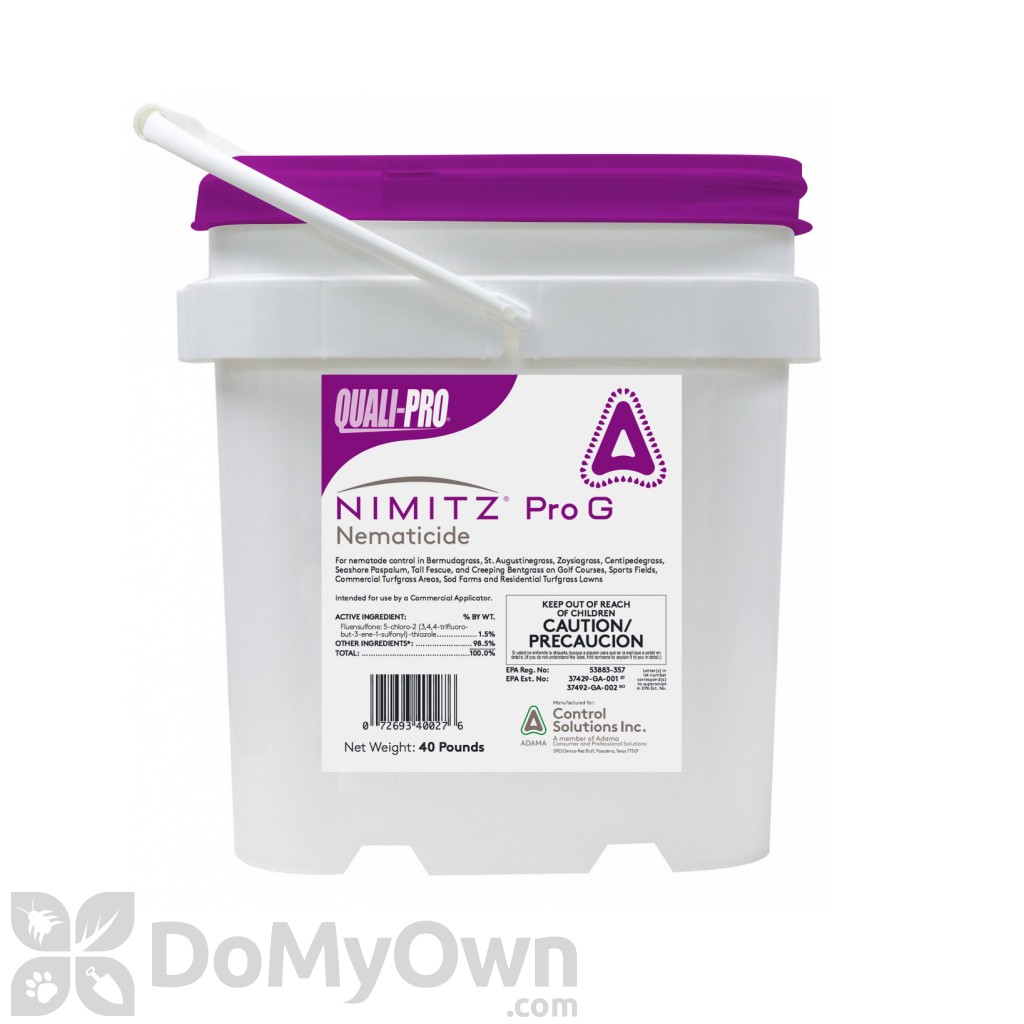 | Before planting | Do NOT use in heavy clay soil. Do not use after planting. |
Fluopyram  | After planting, during growth | Systemic. Works inside the plant. |
| Carvacrol | After planting | Botanical, organic. See above. |
What to choose?
- Home garden, plants already in ground: Start with Garlic, Carvacrol, or Azadirachtin.
- Commercial field, medium infestation: Fluopyram or Abamectin through drip.
- Heavy infestation, nothing works: Oxamyl is the strongest, but it is also the most toxic. It has a long harvest interval and is restricted in many places. Use it only as a last resort, with gloves, mask, and exactly as on the label.
Do not mix chemicals. Do not double the rate thinking it will work faster. You will kill your plants and your soil.
Soil Fumigation Before Planting – The Last Option
If the field is heavily infested and you are starting a new season with no plants in the ground, fumigation is the only way to start clean.
This section is separate because fumigation is not a treatment for growing plants. It is soil sterilization before planting.
1,3-Dichloropropene
When: Before planting only. Never on growing plants.
Notes: Injected into the soil by a professional applicator, then the soil is sealed with plastic or water. Wait the full waiting period on the label before planting.
It kills nematodes, soil insects, and weed seeds in the soil. It also kills beneficial organisms, so after fumigation you must restore the soil with compost and Mycorrhizae – just like after solarization.
Warning: This is a professional fumigant. It is not for home gardens. It requires a license, protective equipment, and a waiting period. In many countries it is restricted. If you are a home gardener, use solarization instead. You will get 70-80% of the effect with zero chemicals.
Dimethyl Disulfide
When: Before planting only.
Notes: Also a fumigant, similar to 1,3-Dichloropropene. It also controls weeds including dodder (Cuscuta), which is a parasitic weed. Same warning – professional use only, before planting.
My advice as a farmer: Fumigation works, but it is expensive, it kills everything good in your soil, and you will have nematodes again in 1-2 seasons if you don’t rotate. Use it only if you have tried rotation + resistant varieties + solarization and you still cannot grow.
What I Would Do – Step by Step Plan
If you are a home gardener:
- Pull and destroy infected plants, do not compost them
- Solarize the soil in summer for 4-6 weeks
- Plant French marigolds for 2 months, then turn them in
- Plant resistant variety (N)
- Apply Garlic / Carvacrol + Azadirachtin through drip after planting
- Add compost + Mycorrhizae at planting
If you are a commercial farmer:
- Rotate crops, 2 years without host crop
- Fumigate before planting ONLY if infestation is severe – 1,3-Dichloropropene or Dimethyl Disulfide
- Plant resistant variety
- Apply Fluopyram or Abamectin through drip after planting
- Monitor roots every 2 weeks
FAQ
Can I eat vegetables from a plant with nematodes?
Yes. Nematodes do not infect humans. The vegetables are safe, just smaller and less tasty.
Will nematodes go away by themselves in winter?
No. They survive winter as eggs in the soil. They wait for warm weather.
Does solarization kill all nematodes?
No. It kills 70-90% in the top 15 cm. Deep nematodes survive, but they are below most roots.
Can I reuse soil from infected pots?
No. Throw it away, do not mix it with clean soil.
Is Azadirachtin enough alone?
No. Alone it only reduces the population. Combine it with marigolds and resistant varieties.
You might also like these articles:
- Bacterial Spot on Tomatoes and Peppers: Symptoms, Causes and Treatment

- Beneficial Insects for Vegetable Garden: Best Bugs for Natural Pest Control
- Benefits of Growing in a Greenhouse: Is It Worth It for Home Gardeners?
- Best Pesticides for Vegetable Plants: Compare Products by Pest & Disease
- Blower Sprayers for Garden Pest Control: Better Coverage Than Backpack Sprayers
- Caterpillars on Tomatoes & Cabbage: How to Control Them Organically with BT Spray
- Fusarium Wilt on Tomatoes: Signs, Prevention & Best Treatment Guide
- Gray Mold on Tomatoes & Strawberries: How to Control Botrytis Fast
- How to Combat Pests During Growing Season: The Importance of Using Multiple Pesticides to Prevent Resistance and Maximize Yield
- How to differentiate between pesticides
- How to find your pesticide in a store
- How to Get Rid of Ants: Home Remedies, Gel Baits, Sprays and Granules