The Pro Farmer

Pro Farmer

Stop Struggling. Start Growing.

Disclaimer: For information only. Always follow the EPA-approved label. Read full disclaimer here

Garden & lawn

Soilless Greenhouse Irrigation & Fertigation Management: The Complete Monitoring Guide to EC, pH, Nitrate & Drainage for Tomatoes, Peppers & Cucumbers

Why Monitoring Matters in Soilless Systems In soilless and substrate-based greenhouse production, the root system has almost no natural buffer. Unlike open-field soil, the substrate cannot compensate for mistakes in water or fertilizer management. A shift in water quality, an injector error, or a clogged dripper can change root-zone conditions within hours. The most effective

Soilless Greenhouse Irrigation & Fertigation Management: The Complete Monitoring Guide to EC, pH, Nitrate & Drainage for Tomatoes, Peppers & Cucumbers Read More »

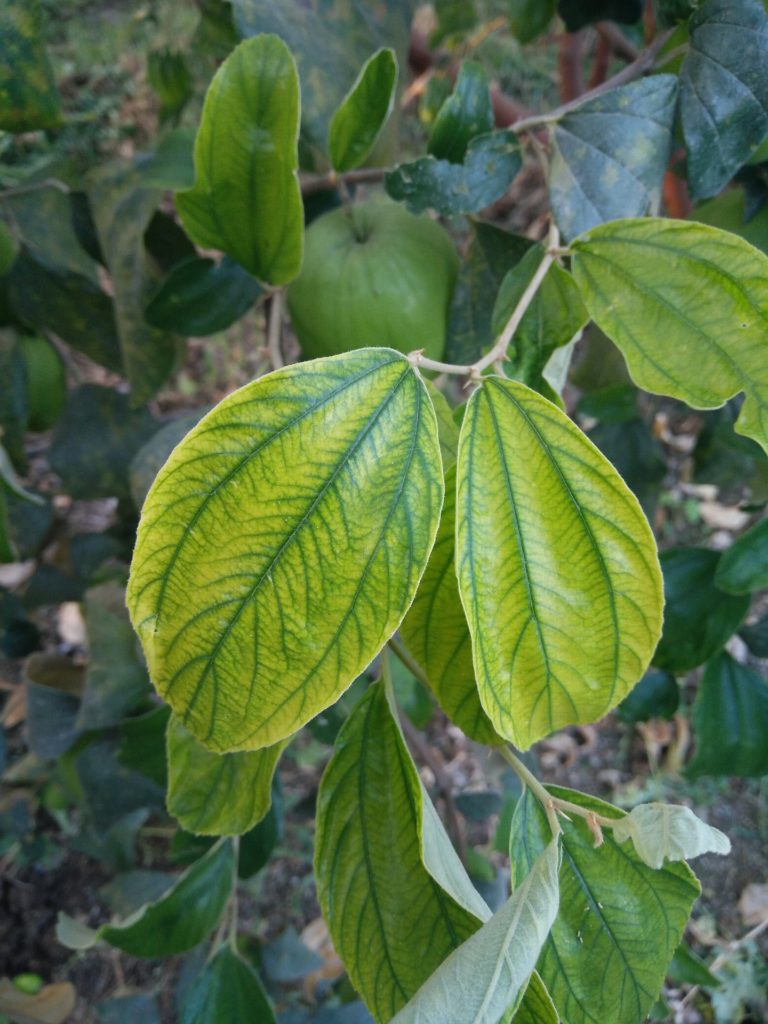
Yellow Leaves on Plants? Iron, Zinc and Micronutrient Deficiencies Explained

Micronutrients are Essential for chemical processes, and important in plant cell systems despite their small quantity. The micro-elements are usually used as process stimulants and do not form part of compounds in the structure of plant cells. Without their presence in the plant the processes of assimilation and growth in the plant will not take

Yellow Leaves on Plants? Iron, Zinc and Micronutrient Deficiencies Explained Read More »

Blossom End Rot on Tomatoes and Peppers? Calcium, Magnesium & Sulfur Guide

Calcium, magnesium, and sulfur are essential plant nutrients. They are called “secondary” nutrients because plants require them in smaller quantities than nitrogen, phosphorus, and potassium. Calcium (Ca) Calcium is an important component in the structure of protopectin, an essential sticky substance used as “cement”,holding the cells together and creating stability in the cell structure. It

Blossom End Rot on Tomatoes and Peppers? Calcium, Magnesium & Sulfur Guide Read More »

banana, fruit, food-310449.jpg

Potassium for Plants: Deficiency Signs and When to Fertilize Tomatoes

Potassium is important for maintaining overall mechanical strength in the plant, it accumulates in the fruit and has a significant effect on its size and quality, especially from aspects of taste and shelf life. For example, a potassium-free tomato fruit will be soft and have a floury texture. Lack of potassium will impair crop and

Potassium for Plants: Deficiency Signs and When to Fertilize Tomatoes Read More »

phosphor, phosphorus, matchstick-1834106.jpg

Phosphorus for Plants: Deficiency Signs and Bloom Booster Fertilizer

Phosphorous is used by plants largely for root growth, development and in the process of seed germination. And also, in the formation of buds, flowers, fruits and vegetables. Flowers that are well fed with phosphorus will have more blooms, and fruits ripen better and faster. Phosphorus availability is of great importance especially at the beginning

Phosphorus for Plants: Deficiency Signs and Bloom Booster Fertilizer Read More »

EC Meter for Hydroponics: How to Measure Nutrient Strength Correctly

The EC meter measures the amount of water soluble (mainly fertilizers). The higher the concentration of fertilizers in the irrigation solution, the higher the EC value. An EC meter measures the potential for an electrical current to be transported through water. When we add nutrients (salts) to water, we increase the conductive potential for current

EC Meter for Hydroponics: How to Measure Nutrient Strength Correctly Read More »

WhatsApp
Verified by MonsterInsights