
Best Slow Release Fertilizer for Trees and Shrubs: Spikes vs Granular
Trees & Shrubs Thrive with Slow-Release Magic!
Best Slow Release Fertilizer for Trees and Shrubs: Spikes vs Granular Read More »


Trees & Shrubs Thrive with Slow-Release Magic!
Best Slow Release Fertilizer for Trees and Shrubs: Spikes vs Granular Read More »
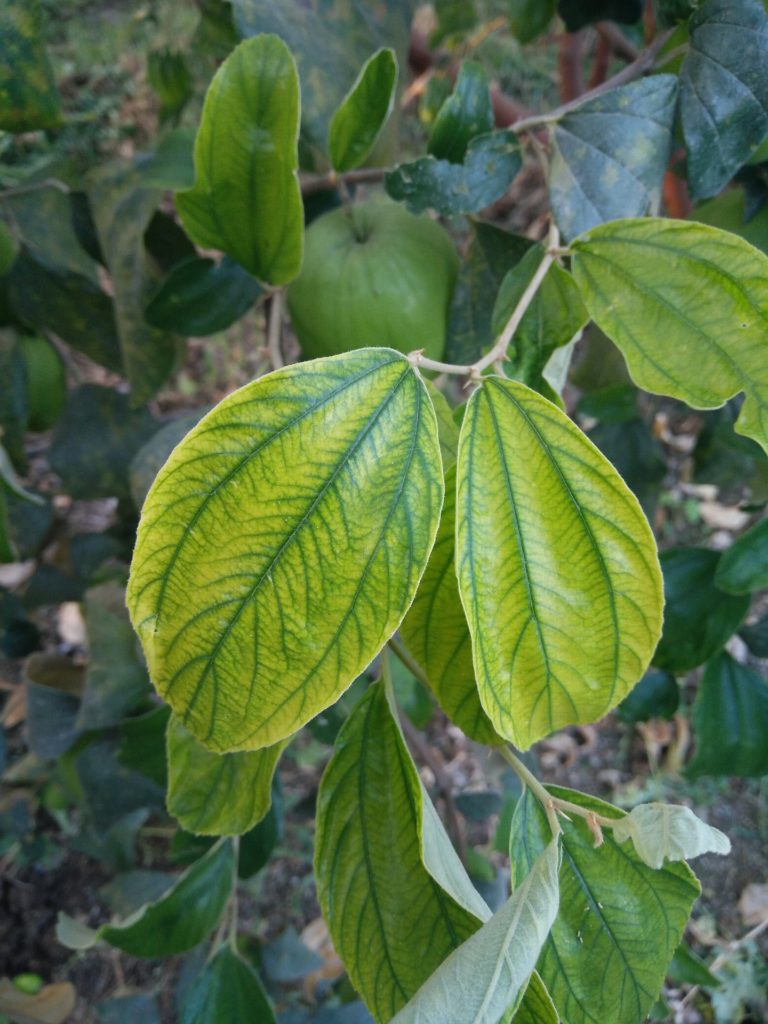
Micronutrients are Essential for chemical processes, and important in plant cell systems despite their small quantity. The micro-elements are usually used as process stimulants and do not form part of compounds in the structure of plant cells. Without their presence in the plant the processes of assimilation and growth in the plant will not take
Yellow Leaves on Plants? Iron, Zinc and Micronutrient Deficiencies Explained Read More »

Calcium, magnesium, and sulfur are essential plant nutrients. They are called “secondary” nutrients because plants require them in smaller quantities than nitrogen, phosphorus, and potassium. Calcium (Ca) Calcium is an important component in the structure of protopectin, an essential sticky substance used as “cement”,holding the cells together and creating stability in the cell structure. It
Blossom End Rot on Tomatoes and Peppers? Calcium, Magnesium & Sulfur Guide Read More »
No-till farming is not just a technique; it’s a philosophy that revolutionizes conventional soil preparation methods. For advanced farmers seeking sustainable and efficient practices, adopting no-till methods offers a pathway to improved soil health, increased yields, and environmental conservation. In this in-depth guide, we will explore the principles, benefits, challenges, and advanced strategies associated with

Potassium is important for maintaining overall mechanical strength in the plant, it accumulates in the fruit and has a significant effect on its size and quality, especially from aspects of taste and shelf life. For example, a potassium-free tomato fruit will be soft and have a floury texture. Lack of potassium will impair crop and
Potassium for Plants: Deficiency Signs and When to Fertilize Tomatoes Read More »

Phosphorous is used by plants largely for root growth, development and in the process of seed germination. And also, in the formation of buds, flowers, fruits and vegetables. Flowers that are well fed with phosphorus will have more blooms, and fruits ripen better and faster. Phosphorus availability is of great importance especially at the beginning
Phosphorus for Plants: Deficiency Signs and Bloom Booster Fertilizer Read More »

In order to grow properly and produce improved and quality fruits, our plants need nutrients in the right proportions and at the right time. During the life cycle of the plant – growth and flowering, it needs different nutrients. During the growth period the plant will need larger doses of nitrogen than in the flowering
Nitrogen Deficiency on Tomatoes: Yellow Lower Leaves and Slow Growth Read More »

The EC meter measures the amount of water soluble (mainly fertilizers). The higher the concentration of fertilizers in the irrigation solution, the higher the EC value. An EC meter measures the potential for an electrical current to be transported through water. When we add nutrients (salts) to water, we increase the conductive potential for current
EC Meter for Hydroponics: How to Measure Nutrient Strength Correctly Read More »

PH is a measure of how acidic/basic water or soil are. The range of pH extends from zero to 14. A pH value of 7 is neutral, because pure water has a pH value of exactly 7. Values lower than 7 are acidic, values greater than 7 are basic or alkaline. The pH level determines
Soil pH for Tomatoes: How to Measure, Fix It, and Why It Matters Read More »

Healthy development of plants depends on proper nutrition. The nutrients that plants need is taken from the soil using their roots. If the soil does not have enough nutritional properties, additional plant nutrients should be mixed into the soil. However, if these materials are used together and properly with knowledge and technology, the expected yield
How to Fertilize Tomatoes and Vegetables: Schedule and Best Fertilizer Read More »


